This ancient agriculture practice may help humans grow crops on Mars
Martian soil differs significantly from Earth’s—it lacks essential nutrients, contains perchlorates (a toxic chemical), and is highly alkaline. These factors make it inhospitable for most plant life.
So, how might human explorers support themselves on Mars? It turns out, an ancient agricultural strategy pioneered by Mayan civilization farmers may come to their rescue.
This approach, known as intercropping, is still in practice and entails growing two to three different types of crops together. This strategy is advantageous because it produces plants with complementary traits that can help each other survive.
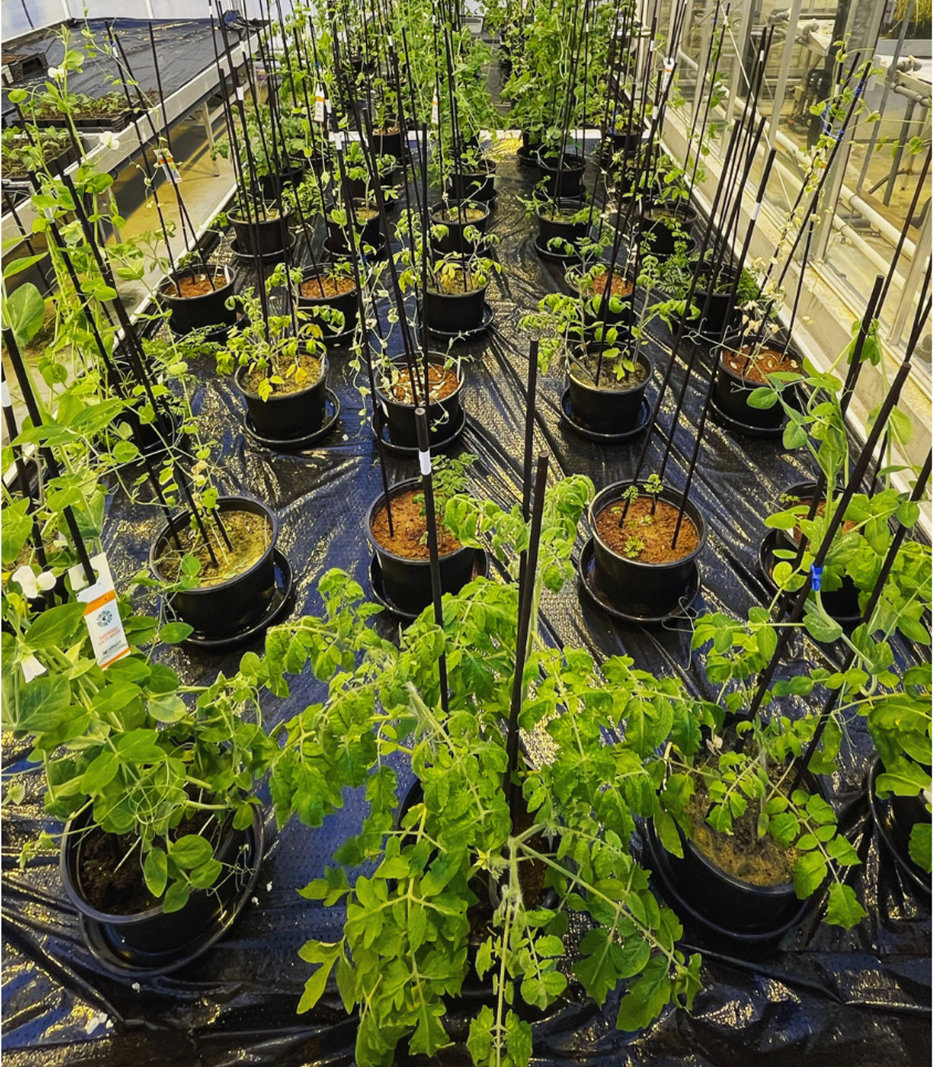
Researchers at the Wageningen University & Research in the Netherlands created a greenhouse to see how intercropping works in simulated Martian soil.
“We suggest that with simple regolith improvements, enhancing conditions for nodulation, intercropping shows promise as a method for optimising food production in Martian colonies,” the researchers wrote in the study paper.
Tomato crop performed better in intercropping setting
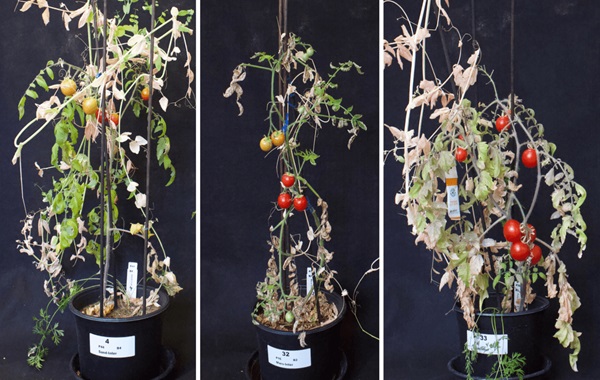
They tried to grow cherry tomatoes, peas, and carrots on replicated Martian soil. Moreover, some crops were cultivated in monocropping settings with simulated soil for comparison. NASA developed this simulated Martian soil, which is a “near-perfect physical and chemical match” to the actual one.
The study team reportedly added beneficial microorganisms and nutrients. They also adjusted the greenhouse’s gases, temperature, and humidity to simulate Martian greenhouse conditions.
Remarkably, tomatoes grown in this intercropping method doubled their yield compared to monocropped plants in the same simulated Martian soil. Tomato plants also exhibited early flowering, accelerated maturation, increased fruit production per plant, and thicker stems. However, intercropping did not result in increased yields for peas and carrots.
“Since this is pioneering research, where it’s the first time that this intercropping technique is applied to space agriculture, we really didn’t know what to expect,” Rebeca Gonçalves, astrobiologist and lead author, told Reuters.
Gonçalves highlights that it was surprising that the technique worked out well for one crop, which could help further refine the method.
“Now it’s just a matter of adjusting the experimental conditions until we find the most optimal system. It can be different species, more species, different ratio of species,” Gonçalves added.
NASA aims to colonize Mars by the 2030s
The team postulates that tomato plants performed better in intercropping due to the presence of pea plants, which can fix nitrogen from the air with the help of symbiotic bacteria called rhizobia.
“It is very important how you select the crop species that you combine, because the tomato did profit from the peas, but the carrot most certainly did not. This was probably due to lack of light. The tall tomato and pea plants did out-compete the carrot by taking light from it,” Wamelink told Reuters.
NASA plans to send humans to Mars in the 2030s. Sending food from Earth to Mars would take at least nine months, meaning the Martian explorers must rely on local resources to cultivate crops. Furthermore, flying food is unreasonably expensive. That’s why scientists have been experimenting with various techniques to enhance soil quality and make Martian agriculture more feasible in the future.
Source: Interesting Engineering
Curiosity Detects ‘Habitable’ Earth-Like Past on Mars, But How Did Oxygen Get There?
This ancient agriculture practice may help humans grow crops on Mars