Medical History in the UK: First Baby Born After Breakthrough Womb Transplant From Deceased Donor
A Monumental Milestone for Reproductive Medicine
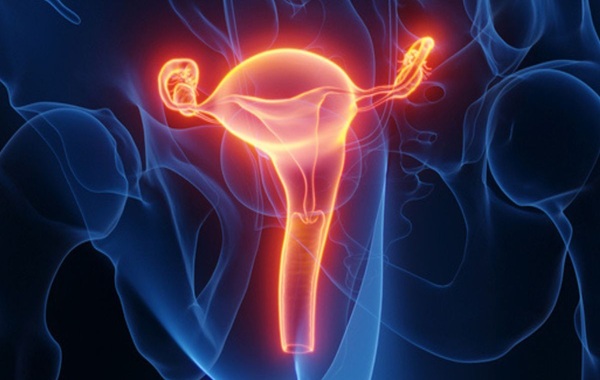
In a world-first for British clinical science, a healthy baby has been born to a woman who underwent a womb transplant using an organ from a deceased donor. This historic achievement, confirmed by medical teams in the UK, marks a paradigm shift in how reproductive medicine can solve “permanent” infertility. For the first time on British soil, the gap between a tragic loss and a miraculous new beginning has been bridged through surgical brilliance.
The Journey: From Birth Defect to Motherhood
The recipient, a woman in her 30s who was born without a functioning uterus due to a rare genetic condition, had long believed that biological motherhood was an impossibility. However, through a highly complex procedure performed by a specialized surgical team, she received the gift of life from a deceased donor whose family chose to donate her organs.
Unlike previous cases involving living donors (often sisters or mothers), using a deceased donor organ presents unique challenges. The medical team had to ensure the organ was harvested, transported, and transplanted within a critical window to maintain its viability—a feat of logistical and surgical precision that has now rewritten the medical textbooks.
The Science Behind the Miracle
The process was far from simple. Following the successful transplant, the recipient underwent:
Immunosuppressant Therapy: A rigorous regime of medication to prevent her body from rejecting the new organ.
In-Vitro Fertilization (IVF): Since the transplanted womb is not connected to the fallopian tubes, the pregnancy was achieved through IVF using the couple’s own embryos.
High-Risk Monitoring: Every stage of the pregnancy was monitored with extreme care by a multidisciplinary team of obstetricians and transplant surgeons.
The journey culminated in a planned Caesarean section, resulting in the birth of a healthy infant, signaling a triumph for both the family and the National Health Service (NHS) framework.
Redefining the Future of Infertility Treatment
This success story is not just about one family; it is a beacon of hope for thousands of women in the UK and millions worldwide who suffer from uterine factor infertility. By proving that a transplant from a deceased donor can lead to a successful birth, doctors have opened the door to a much larger pool of potential donors.
Medical experts suggest that this breakthrough could lead to a specialized transplant program, making the procedure more accessible to those who do not have a living family member able or willing to donate.
A Legacy of Generosity
At the heart of this scientific victory is a story of profound human kindness. The success of this birth stands as a living tribute to the donor and her family. Their decision in a moment of grief has resulted in a new life, proving that organ donation can do more than save a life—it can create one.
As the UK celebrates this medical “first,” the focus now shifts to how this procedure can be standardized to help more women realize their dream of carrying their own child.
Source: Science Alert
Frozen for 5,000 years, this ice cave bacterium resists modern antibiotics
Medical History in the UK: First Baby Born After Breakthrough Womb Transplant From Deceased Donor