‘Vampire’ grave unearthed beneath bishop’s palace stuns archaeologists
In a chilling discovery packed with Medieval misunderstandings, workers uprooted much more than trees while tending to a garden in a Cathedral complex in Poland, the skeleton of a sick child linked to myths of vampire.
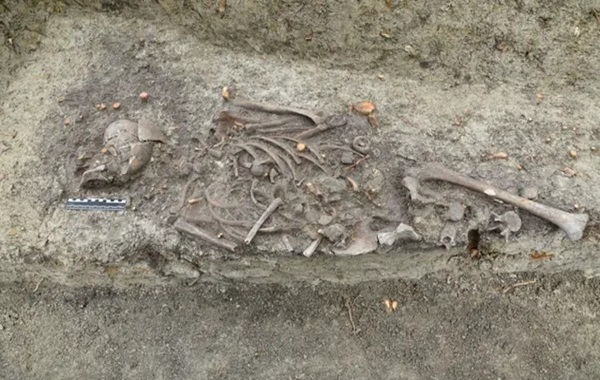
Around the garden fence, the remains of a decapitated child weighed down by heavy blocks was a sight to behold. Historical records show no signs of a cemetery, Archeology Mag reports.
Dr. Stanislaw Golub, an archaeologist with the Lublin Voivodeship Conservator of Monuments, began excavation and confirmed that a grueling and brutal precautionary treatment of one of the two bodies dating back to the 13th century eliminated any possibility of a supernatural rising from the dead.
The wild discovery brings a fascinating practice in Medieval Poland up for reflection, as well as the origins of the beloved and terrifying vampire myth.
Tuberculosis or vampire? Probably vampire
A simple renovation project found supernatural beliefs at the foundation of Christianity Uniate bishop’s Palace in Chelm, a significant religious and historical site during the Middle Ages.
In a Facebook post, the Provincial Office for the Protection of Monuments in Chelm shared the graphic remains of a child who was probably ill with tuberculosis as diseases spun fantastical tales in Medieval minds accustomed to the macabre threads running through Polish folklore.
“The burial clearly shows signs of anti-vampire practices, which were aimed at stopping the dead from rising again,” said Dr. Stanisław Gołub, lead archaeologist on the excavation.
As per the Catholic Herald, many vampiric burials have popped up in Poland, including the remains of a woman with a scythe across her throat and a padlock on her toe.
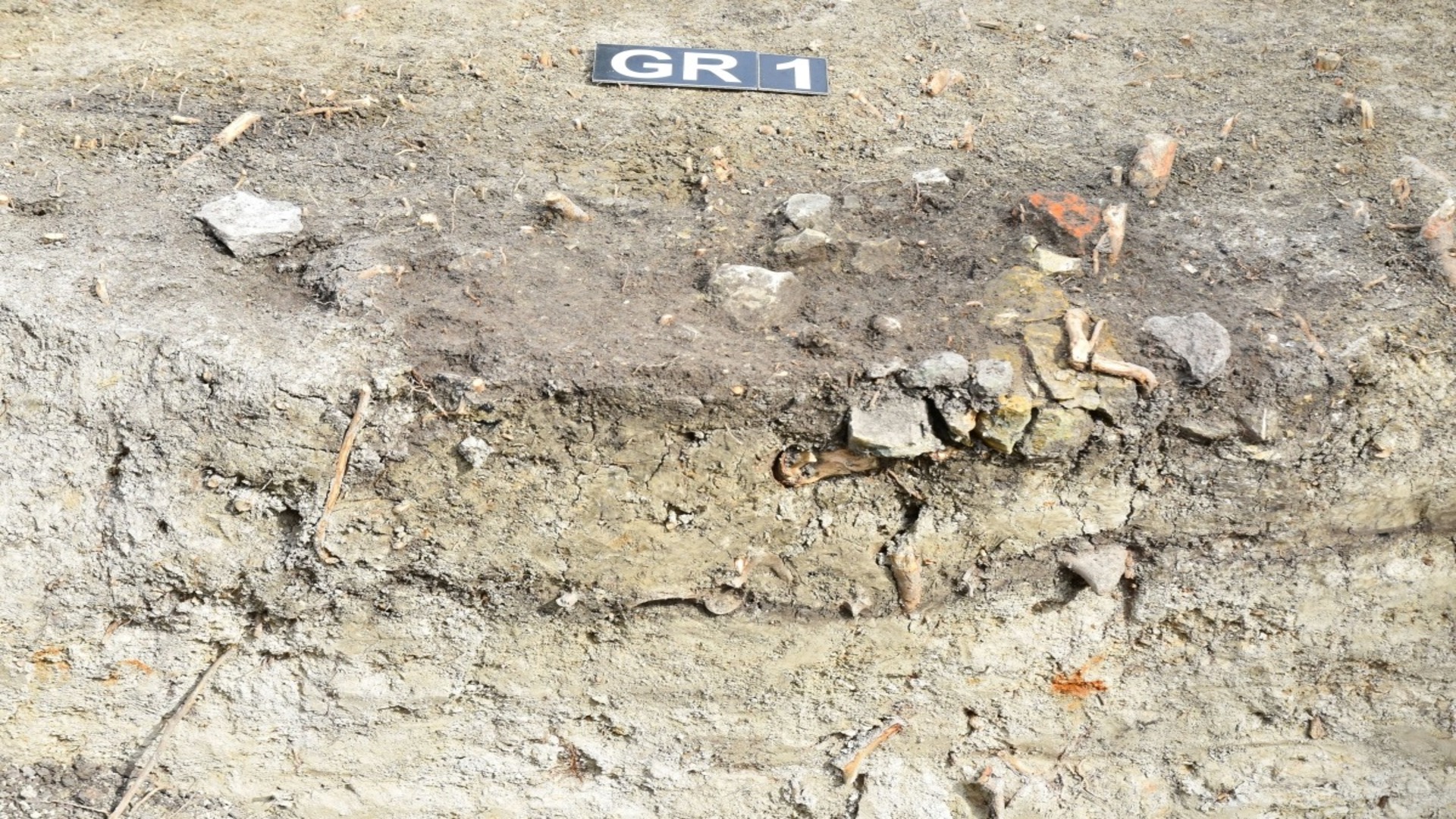
In an equally bizarre and gruesome funerary rite, the child’s head was removed, the skull was placed faced down, and just to make sure that the boy would not rise from the dead, even headless, heavy stones were placed on the body to hold down any evil idea from taking over. According to All That’s Interesting, two postholes indicate a special grave marker above ground allowed church officials to keep checking in to ensure no evil was afoot.
Is it a vampire? Well, apparently not. The myth of the vampire caught mainstream notoriety though, when a man in Croatia apparently came back from the dead in the 17th century and had to be killed. But as these graves from the Middle Ages prove, the myth was alive and well and horrifying Poland well before a pen was ever put to paper.
Source: Interesting Engineering
Archaeologists discover an ancient Neanderthal lineage that remained isolated for over 50,000 years
‘Vampire’ grave unearthed beneath bishop’s palace stuns archaeologists