The Most Common Genetic Disease in The Western World Is Still Poorly Understood
Many people have never heard of it, but hereditary haemochromatosis is the most common genetic disease in the Western world, with 250,000 people of European ancestry in the UK affected and a million in the US.
The faulty genes responsible cause excessive absorption of iron, which sometimes builds up to toxic levels.
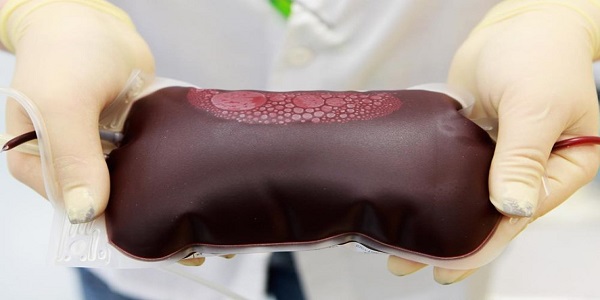
We’ve now shown that these faulty genes cause more damage around the body than previously thought. But the good news is that the treatment is simple. It involves donating blood to bring iron levels down.
Over the last 15 years, our research group at the University of Exeter has focused on the question: why are some older people ill and frail in their sixties while others remain active and disease free into their nineties and beyond.
In our most recent study, we used data from the UK Biobank, which contains genetic and medical data from half a million people, to find genes associated with muscle ageing, searching across people’s DNA.
To our surprise, we found a link between the haemochromatosis gene and muscle weakness, chronic pain and frailty in the older people in the study who weren’t diagnosed with haemochromatosis.
UK Biobank studied 500,000 volunteers who were interviewed when they were 40 to 70 years old, and we have data from their hospital records for an average of seven years after the interview.
We were able to study 2,890 people with both faulty haemochromatosis genes (called HFE C282Y mutations), making the study nearly ten times larger than any previous similar one.
Our papers, in the BMJ and the Journal of Gerontology: Medical Sciences, report that those with the two faulty genes have quadruple the rates of liver disease and double the rates of arthritis and frailty compared with the general population.
They also have higher rates of liver cancer, diabetes (both type 1 and type 2), chronic pain and tiredness. Both the younger (40- to 59-year-olds) and the older group (60 to 70) were affected.
The more severe effects of the faulty genes are fairly frequently seen in healthcare. Of all the hip replacements in men in the UK Biobank study, 1.6 percent were in men with the two faulty genes. Nearly 6% of all the liver cancers in the study were also in people with the faulty genes.
Women tend to be diagnosed with haemochromatosis at older ages than men, as they have partial protection from losing iron through menstruation and having children, although some younger women do develop the disease.
Most of the excess liver disease, arthritis, diabetes, tiredness, pain and muscle weakness could be prevented if treatment is started before damage from excess iron sets in.