
The Moon Was Hit Again: NASA Scientists Discover a Newly Formed Crater
A bright new lunar crater detected in spacecraft images shows that asteroid impacts continue to reshape the Moon’s surface today.
The Moon’s familiar surface tells a story of both ancient violence and ongoing change. While its vast dark basins formed during a period of intense bombardment billions of years ago, new impacts continue to reshape the lunar landscape today. By carefully comparing images taken years apart, scientists can detect newly formed craters and study how fresh material gradually darkens under the effects of space weathering.
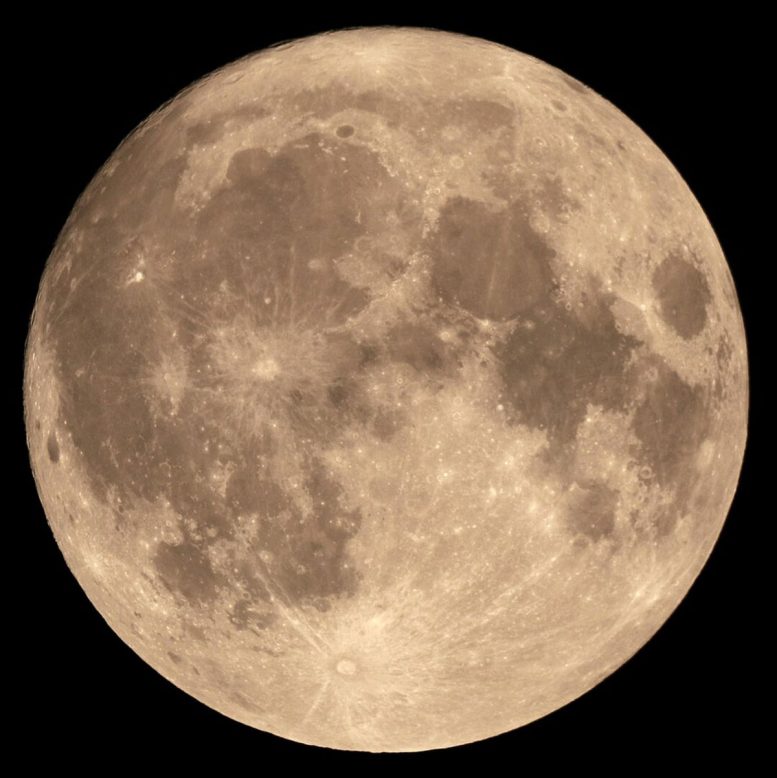
I have to admit something. After years of gazing at the night sky with a telescope, tracking planets and searching for faint deep sky objects, I only actually saw the Man in the Moon about five years ago.
There I was, exploring lunar maria and highland regions, and I’d somehow never noticed what humans have been seeing for millennia.
Ancient impacts shaped the lunar surface
For most of its 4.5 billion-year history, the Moon has been heavily battered by collisions. The large basins that appear as the dark “seas” forming the Man in the Moon were created during an era of intense impacts that ended about 3.8 billion years ago.
Although the period of massive basin-forming collisions has long since passed, the Moon still experiences strikes from asteroids and comets that leave behind smaller and relatively young craters.
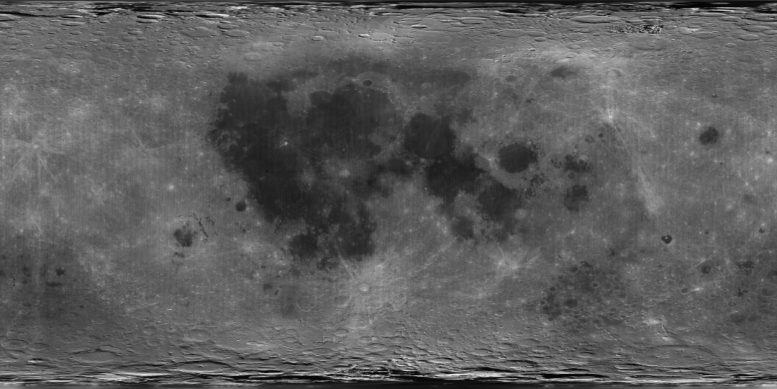
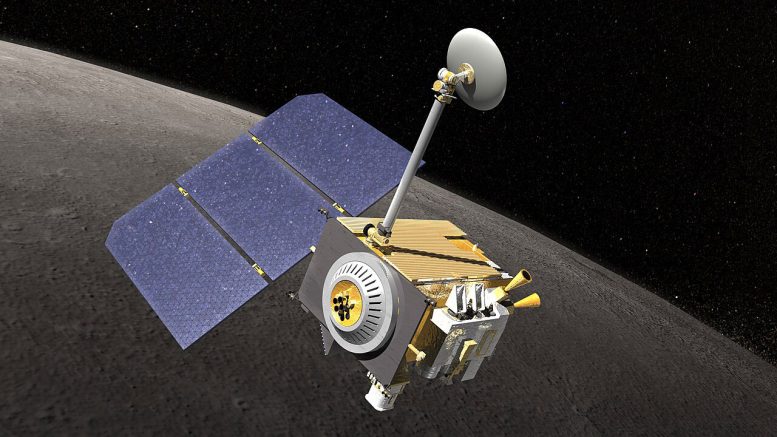
Catching these events as they happen is extremely difficult. Instead, scientists usually identify them after the fact. Researchers working with the Lunar Reconnaissance Orbiter Camera found one such crater by comparing detailed photographs of the same lunar locations taken at different times. By examining images captured before December 2009 and others taken after December 2012, they were able to narrow down when the impact occurred, even though no one actually observed the collision.
A fresh crater revealed
The crater measures 22 meters in diameter, comparable to a large house. What makes it particularly striking is not its size but its brightness. The collision ejected material tens of meters from the crater rim, creating distinctive rays that spread outward in a sunburst pattern. This bright, fresh material contrasts sharply with the surrounding darker regolith, making the crater stand out like a new freckle on familiar skin.
These rays won’t stay bright forever. Space weathering, the cumulative effect of solar wind particles, micrometeorite bombardment, and cosmic radiation, gradually darkens exposed lunar material. Over thousands to millions of years, this fresh crater will fade until it becomes indistinguishable from the countless ancient craters surrounding it.
This darkening process is why older craters lack prominent rays, while relatively recent impacts like Tycho, formed perhaps 108 million years ago, still sport brilliant ray systems visible from Earth.
Why new craters matter
The discovery of new craters serves several scientific purposes. First, it helps astronomers refine estimates of current impact rates, which is essential for understanding the hazards facing both robotic missions and future human explorers.
Second, by observing how quickly rays darken and crater features degrade, scientists can calibrate their models for dating other lunar surfaces based on crater density and appearance.
For those who appreciate the Moon’s geography, there’s something rather wonderful about knowing that this ancient, unchanging face we’ve gazed at throughout human history continues to acquire new features. The Moon isn’t frozen in time.
It’s still being sculpted, still collecting new scars from its journey through space. Even if we’re unlikely to actually witness an impact, these fresh craters remind us that the Solar System remains a dynamic, occasionally violent place.
Source: SciTechDaily
Our Galaxy Floats Inside a ‘Pancake’ Made of Dark Matter, Astronomers Discover
The Moon Was Hit Again: NASA Scientists Discover a Newly Formed Crater