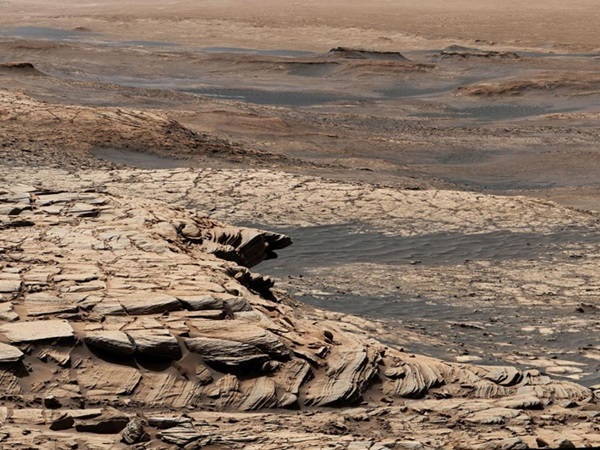
Seasonal Methane Spikes on Mars: Natural Phenomenon or Signs of Life?
The seasonal variations of methane in the Martian atmosphere have captivated scientists, offering a tantalizing clue that life may exist beneath the red planet’s surface. But conclusive answers will only come when we dig deep into Mars.
Methane on Mars: A Mystery Dating Back to the 1970s
Hints of methane on Mars were first detected during the Mariner missions in the 1970s. However, it was NASA’s Curiosity rover in 2013 that revealed a striking observation: methane levels in the surrounding atmosphere rose significantly, only to drop and vanish within months, then reappear later. These puzzling fluctuations set the stage for an ongoing scientific investigation.
How Methane Could Form Naturally on Mars
There are chemical pathways that could explain methane’s presence on Mars. For instance:
Interaction of Water and Rocks: Liquid water reacting with magnesium- and iron-rich rocks like olivine can oxidize the minerals, creating pockets of hydrogen.
Fischer-Tropsch Process: This hydrogen can react with carbon dioxide, a prominent Martian atmospheric gas, to produce methane.
While these processes appear plausible, challenges arise. They require liquid water beneath Mars’s surface and an unknown mechanism to periodically remove or cycle the methane.
Could Martian Methane Indicate Life?
The idea of life producing methane is compelling. Earth-based methanogens—microbes that consume hydrogen and release methane—might explain the seasonal methane variations.
Life could respond to changing subsurface conditions, such as warming in Martian summers or cooling in winters. However, this hypothesis raises additional questions:
What is the water source sustaining such life?
Why is there no direct evidence of past or present life on Mars?
No Clear Answers Yet: The Importance of Continued Exploration
The lack of consensus about what causes the seasonal methane variations highlights the need for further research. Is it a purely chemical process, or does it hint at life beneath the surface?
To solve this mystery, we must continue sending missions to Mars, armed with advanced tools to probe beneath the surface. Only then can we uncover the truth behind this Martian enigma.
The idea of life on Mars remains one of the most intriguing possibilities in modern science. The next steps in exploration will bring us closer to answers.
Source: Seasonal Methane Spikes on Mars: Natural Phenomenon or Signs of Life?
Are We on the Verge of Discovering the First Volcanic Exomoon?
Are We on the Verge of Discovering the First Volcanic Exomoon?