Scientists unravel mammal nose’s trillion-scent smelling mechanisms mystery
Mammalian nose odor receptors can distinguish a trillion distinct scents.
Being able to detect scents is a core function of humans that can influence our perceptions, affecting behaviors ranging from evaluating food choices to distinguishing between allies and adversaries and even triggering the recall of memories.
In a new scientific development, a study aiming to unravel the mechanisms behind perceiving smell discovered a competition among olfactory receptor genes within the nuclei where RNA emerges as a pivotal molecule, according to a statement by the scientists.
Previously undetected mechanism in mice surfaces
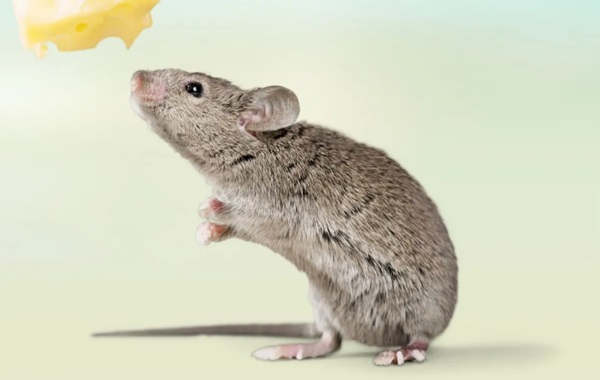
According to a statement by the scientists, they particularly noticed a previously undetected mechanism in mice—starring the genetic molecule RNA—that could explain how each sensory cell, or neuron, in mammalian noses becomes tailored to detect a specific odor chemical.
The research investigated how olfactory cells in the nose develop specific receptors to detect odor chemicals, contributing to a better understanding of the sense of smell or olfaction.
“How sensory cells in the nose make their receptor choices has been one of the most vexing mysteries about olfaction,” stated Stavros Lomvardas, PhD., a Herbert and Florence Irving Professor at Columbia’s Zuckerman Institute and corresponding author.
“Now, the story behind our sense of smell, or olfaction, is becoming clearer, and also more dramatic.”
RNA not only translates genetic code but also alters the genome’s architecture, favoring the expression of one olfactory receptor gene while suppressing the others.
This process occurs in specific hubs within the genome, leading to the specialization of olfactory neurons, each bearing only one odorant receptor on its surface.
Competition akin to ‘Squid Game’
According to the statement, in the olfactory neuron’s nucleus—where the cell’s chromosomes and genes are located—a competitive process similar to “Squid Game” takes place.
Many olfactory receptor genes in a developing cell compete with each other. Eventually, this competition narrows them down, first to a few finalists and eventually to just one winner. The winning gene is the one that decides how sensitive the cell will be to certain smells.
In their research, Dr. Lomvardas and his team discovered details about the last stage of this process, when the ultimate winning gene is selected from the finalists.
The study utilized sophisticated techniques to analyze changes in genome structure as cells matured, shedding light on this intricate process.
Researchers found evidence suggesting RNA, beyond its known function in translating genetic code into proteins, also plays a pivotal role in altering the genome’s architecture.
This alteration of the genome’s structure by RNA appears to support the expression of one specific olfactory receptor gene while suppressing the expression of all the other competing genes.
Ariel Pourmorady, the paper’s first author and an MD-PhD candidate at the Zuckerman Institute in the Lomvardas lab, stated:
“It turns out that the genome has a certain spatial organization in the nucleus and changes in this structure are pivotal when it comes to which genes are expressed into proteins, like olfactory receptors. We are learning just how important this process is within maturing olfactory cells.”
This final stage mechanism, involving RNA, helps establish the singular odorant receptor gene expressed on each mature olfactory neuron’s surface.
“It looks like the RNA the cell makes during gene expression also is altering the genome’s architecture in ways that bolster the expression of one olfactory receptor gene while also shutting down all the others,” Pourmorady added.
“We are reaching the edge of science fiction when it comes to the molecular and genomic details we now can observe inside a single cell’s nucleus,” expressed Dr. Lomvardas.
“We need to keep going back in to figure out the rest of this olfaction puzzle.”
Source: Interesting Engineering
Why Do We Age? The Surprising Evolutionary Advantage Revealed
Scientists unravel mammal nose’s trillion-scent smelling mechanisms mystery