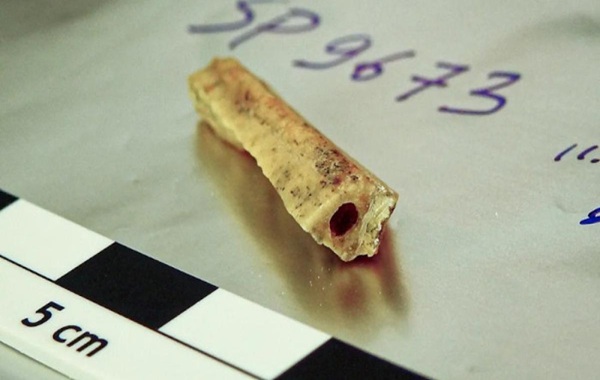
Neanderthal DNA from Denisova Cave Reveals Familial Links Over Millennia
A genetic study has unveiled that two Neanderthals who lived approximately 10,000 years apart in Siberia’s famous Denisova Cave were distant relatives. This remarkable discovery provides the fourth complete Neanderthal genome ever recovered and offers unprecedented insight into the population structure, isolation, and resilience of these ancient hominins in the Altai Mountains.
The study, published in the Proceedings of the National Academy of Sciences, analyzed a tiny bone fragment from a male Neanderthal, known as D17, who lived around 110,000 years ago. Researchers compared his genome with that of a female Neanderthal, D5 (also known as the Altai Neanderthal), who inhabited the same cave roughly 120,000 years ago. The genetic analysis demonstrated that while they were not direct ancestors of one another, they shared a common ancestor and belonged to closely related lineages.
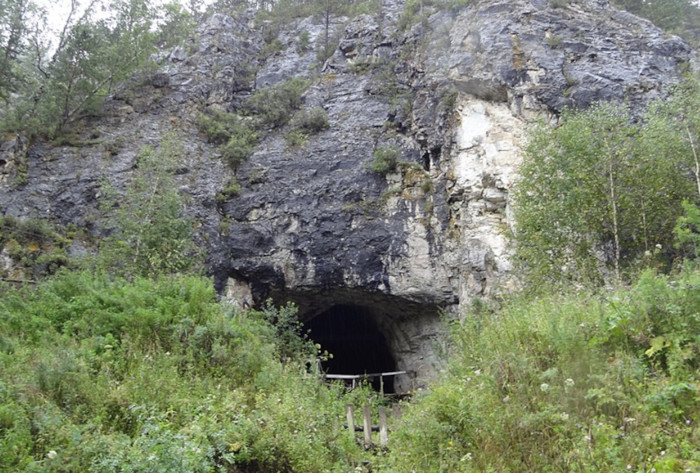
“It is likely that Denisova Cave was part of a broader landscape used repeatedly by these Neanderthal populations over time, rather than a site occupied by a single, continuous group,” explained Diyendo Massilani, a genetics professor at the Yale School of Medicine and lead author of the study.
Small and Isolated Populations
The genetic evidence points to a fascinating, albeit precarious, lifestyle for the Neanderthals of the Altai region. The researchers discovered large sections of identical DNA within the genomes, a clear indicator of inbreeding. This suggests that the parents of these individuals were very closely related, perhaps as close as first cousins.
Based on these findings, scientists estimate that these Neanderthal communities were incredibly small, likely consisting of 50 or fewer individuals. Earlier studies support this pattern of isolation; one previous analysis suggested an Altai group might have had only about 20 members, while another found evidence of a population that remained isolated for tens of thousands of years the study authors explain. These new results indicate that some groups of Neanderthals managed to survive for long periods under extreme conditions of isolation. It appears that prehistoric humans likely formed mating networks to avoid inbreeding, but the sheer geographic isolation of the Altai Mountains may have limited these opportunities for the Denisova Cave inhabitants.
Rapid Genetic Divergence
Another striking revelation from the study is the rapid genetic divergence among Neanderthal populations. D17 and D5 were found to be more closely related to each other than to Neanderthals from Europe or even later groups that lived in the same Siberian region.
“Even though the individuals from which we have genomes were separated for only about 50,000 years on average, they reached levels of difference similar to what we see today between some of the most distinct human populations, like people from Central Africa and Papua New Guinea that separated about 300,000 years ago,” Massilani noted in the study.
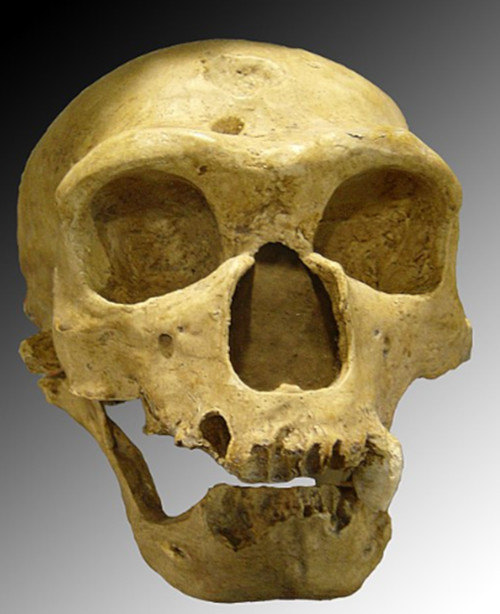
This rapid differentiation was likely driven by genetic drift, a process where random genetic changes become more common over time in small, isolated populations. Neanderthal genome mapping has consistently shown that Neanderthals were not a single, homogeneous group spread across Eurasia. Instead, they were a complex patchwork of isolated populations shaped by migration, local extinctions, and replacements.
Interestingly, both D17 and D5 show evidence of gene flow from Denisovans, a pattern that is notably absent in later Neanderthals from the Altai region or Western Europe. The DNA evidence found shows the complex web of interactions that occurred in this unique Siberian cave.
“To have two sequenced Neanderthals in such a close geographic place does bring new and more fine-grained insight into their population,” commented Léo Planche, a population geneticist at Paris-Saclay University who was not involved in the study. “We start to have enough Neanderthal genomes to actually have some claim about their population structure”.
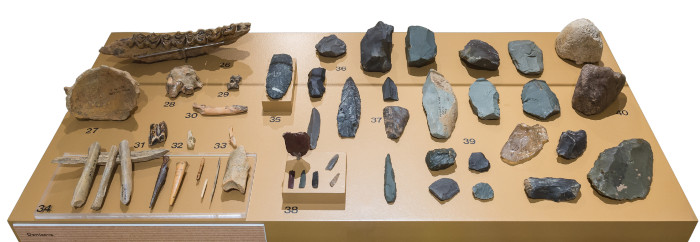
With DNA recovered and the continuous discovery of artifacts like the 50,000-Year-Old Needle means the Denisova Cave remains one of the most critical sites for understanding human evolution. These new findings paint a vivid picture of small, resilient Neanderthal families clinging to survival in the harsh landscapes of prehistoric Siberia, leaving a genetic legacy that scientists are only just beginning to unravel.
Source: ancient-origins.net
Thirty previously unpublished verses by Empedocles discovered on a papyrus from Cairo
Neanderthal DNA from Denisova Cave Reveals Familial Links Over Millennia