
‘Lost city of gold’ discovered in Egypt after 3,000 years in archaeology breakthrough
Archaeologists in Egypt have fully uncovered the ‘Lost City of Gold,’ a 3,000-year-old gold mining hub resurrected from the desert after four years of meticulous excavation.
Found beneath Luxor’s Valley of the Kings at Jabal Sukari, southwest of Marsa Alam in the Red Sea Governorate, the once-thriving gold-mining city called Aten was unearthed in 2020. It has been recognized as one of the most significant archaeological finds since the discovery of Tutankhamun’s tomb more than a century ago.
Experts were amazed by the exceptional preservation of the settlement’s structures, including homes, workshops, administrative buildings, temples, and bathhouses, following the excavation completion this week.
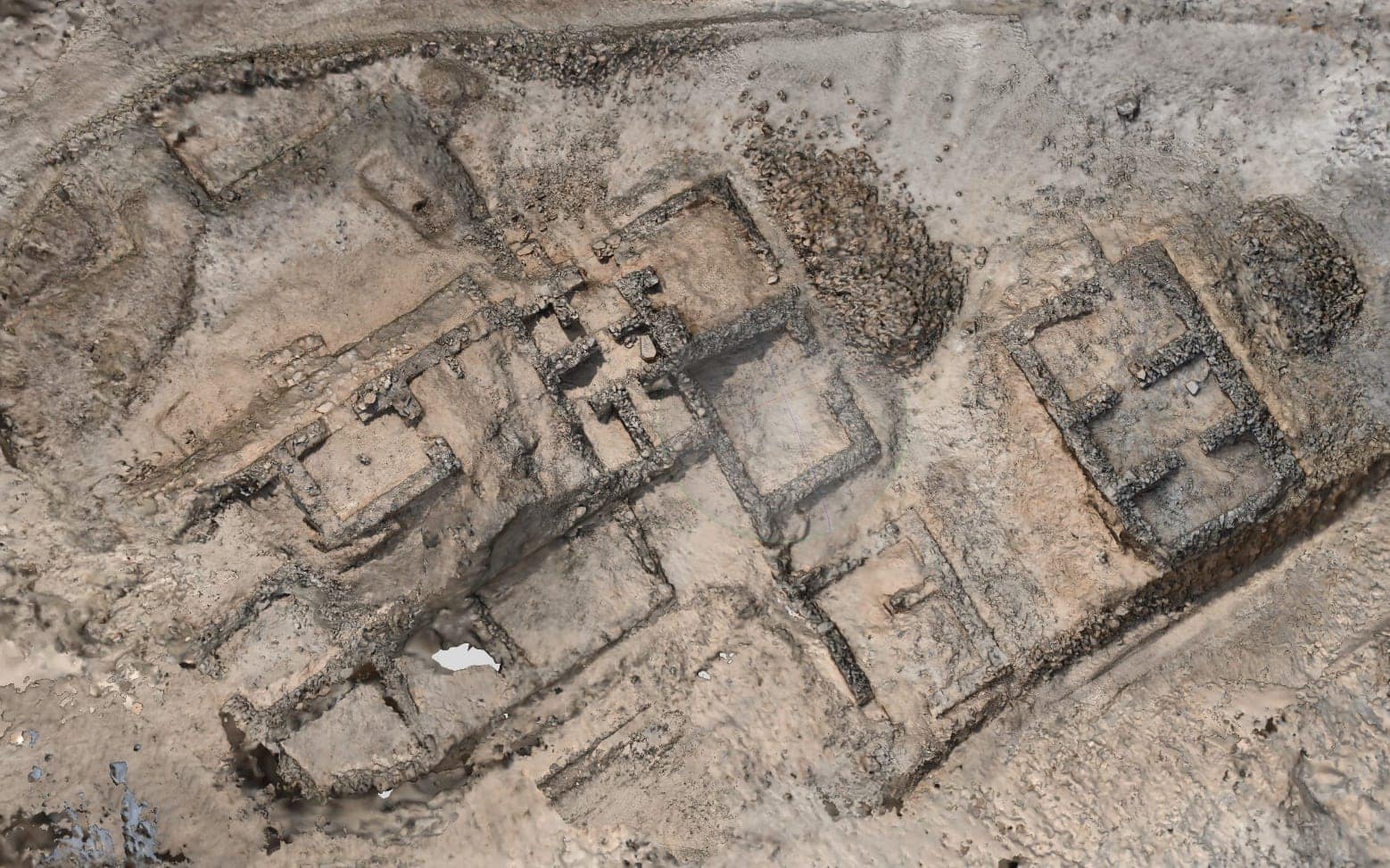
The team also uncovered remnants of a mining camp, featuring a fully equipped gold extraction facility. The site included crushing and grinding stations, filtration basins, and sedimentation pools that fed into smelting furnaces used for refining gold from quartz veins.
“The project included archaeological excavations, documentation, and restoration of architectural elements discovered on-site,” Egypt’s Ministry of Tourism and Antiquities reveals. “These elements were relocated to a safer area three kilometers north of the original site, outside the path of modern mining operations at Sukari Mine.”
A window into the past
Dating back to the reign of Amenhotep III, the ninth king of Egypt’s 18th Dynasty, who ruled from 1391 to 1353 BC, Aten is the largest ancient city ever discovered in the North African country.
The excavations yielded artifacts from later historical periods among which the Roman rule (30 BC–639 CE) and the Islamic era (642–1517 AD). “Among the artifacts unearthed were 628 ostraca inscribed with hieroglyphic, demotic, and Greek texts, along with bronze coins from the Ptolemaic era,” the ministry explains.
Other finds included terracotta figurines of humans and animals from the Greco-Roman period, small stone statues of Bastet and Harpocrates – some unfinished – five Ptolemaic offering tables, and pottery used for daily life, perfumes, medicine, and incense.
“The team also uncovered a collection of gemstone beads and decorative items crafted from seashells,” the ministry adds. Experts believe that Aten was a thriving multicultural and multilingual city that remained active for centuries, supplying gold to Egyptian dynasties for adorning their palaces, bodies, and tombs.
Importance and vision ahead
According to the ministry, the project is crucial for enhancing our understanding of the techniques ancient Egyptians used to extract gold from rocks.
The researchers suggest that the findings shed light on Egypt’s ancient mining industry and the daily lives of its workers. “It also provides valuable insight into the social, religious, and economic lives of mining workers in industrial cities across the Eastern Desert throughout different historical periods,” the ministry says in a press release.
“Within weeks, to the team’s great surprise, formations of mud bricks began to appear in all directions,” Zahi Hawass, archaeologist and former Minister of Tourism and Antiquities of Egypt who found the city, says. “What they unearthed was the site of a large city in a good condition of preservation, with almost complete walls, and with rooms filled with tools of daily life.”
Authorities confirmed that the discovered architectural elements were restored, documented, photographed, and relocated to a secure site.
A full-scale replica of the mining camp was also built on a six-acre area, featuring a visitor center with large display screens showcasing the excavation process and unearthed artifacts, including statues, pottery, and other relics.
After unearthing the ‘lost city’ and its remarkable discoveries, officials announced that the site is now open to researchers and the public, with informational panels providing details about the region’s history.
Source: Interesting Engineering
4000-Year-Old Stonehenge-Like Circle Discovered in Denmark
‘Lost city of gold’ discovered in Egypt after 3,000 years in archaeology breakthrough