Beyond Biology: Is Your Roommate’s DNA Secretly Modifying Your Body?
The “Invisible Connection” We Never Noticed
For decades, we’ve known that our health is shaped by two primary forces: our own genetics and our personal lifestyle choices. But what if there was a third, hidden factor? A groundbreaking new study published in Science suggests that you are not just a product of your own DNA, but also the DNA of the people you live with.
How Your Social Circle Shapes Your Gut
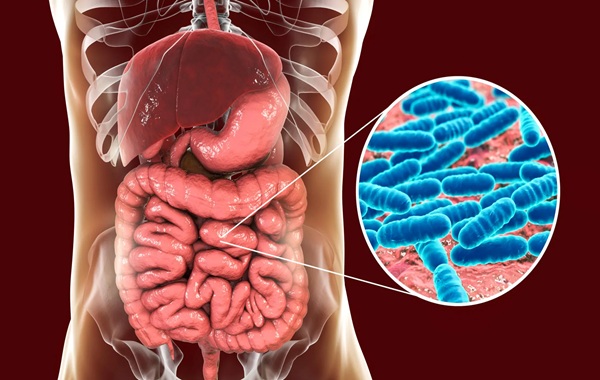
Researchers at the Center for Genomic Regulation (CRG) have uncovered a fascinating phenomenon: “Social Genetic Effects.” By studying thousands of rats, scientists discovered that the specific strains of bacteria living in your gut—your microbiome—are heavily influenced by the genes of your social partners.
In simpler terms: your roommate’s (or partner’s) genetic makeup dictates which microbes they “shed” into your shared environment. Because gut bacteria are easily transferred through close contact and shared spaces, you unknowingly “inherit” a microbial profile that is pre-selected by their genes.
The “Muribaculaceae” Mystery
The study specifically highlighted a group of bacteria called Muribaculaceae. While an individual’s own genes do play a role in hosting these bacteria, the researchers found that the social environment was often a stronger predictor. Using complex computational models, they separated the “direct” genetic effects (your DNA) from “indirect” genetic effects (your partner’s DNA). The results were clear: the microbes in your system are a communal biological property.
Why This Matters for Your Health
This discovery is more than just a scientific curiosity; it has massive implications for how we treat diseases. We already know the gut microbiome is linked to everything from obesity and diabetes to mental health and immunity.
If your partner’s genes are influencing your microbiome, they might also be indirectly influencing your risk for certain diseases. This means that when doctors look at “genetic predisposition,” they may need to look at the genetics of the entire household, not just the patient.
A New Chapter in Social Biology
“While genes themselves stay put, the microbes they promote do not,” the researchers noted. This study proves that we are biological islands only in theory. In reality, we are constantly exchanging “genetic shadows” with those around us.
So, the next time you feel a certain way or notice a change in your health, remember: it might not just be your body at work. You might be living out the biological blueprint of the person sitting across the dinner table from you.
Source: science daily
The Ghost in the Biological Machine: Is Consciousness Nature’s Ultimate Algorithm?
Beyond Biology: Is Your Roommate’s DNA Secretly Modifying Your Body?