Toxic Signature of Poisoning in 5,000-Year-Old Bones Is Oldest Evidence of Its Kind
The earliest evidence of mercury poisoning has been found in 5,000-year-old bones of humans buried in Spain and Portugal, according to a new study.
Exposure to the naturally occurring heavy metal may have toxic effects on the body including on the nervous, digestive, and immune systems, according to The World Health Organization (WHO). That’s why the WHO considers mercury one of the top 10 chemicals of “major health concern.”
To figure this out, the researchers analyzed human bones collected from 23 different archaeological sites, which included pits and caves, across Spain and Portugal. The bones belonged to 370 individuals who lived in various time periods across a span of 5,000 years.
Analysis of some of the bones, mainly the humerus, the arm bone between the shoulder and the elbow, revealed unusually high levels of mercury, levels that would not have been caused by diet or by decomposition after death.
The researchers detected mercury levels of up to 400 parts per million in some of the remains, which is much higher than the 1 or 2 ppm that the WHO deems normal levels in human hair, according to a statement.
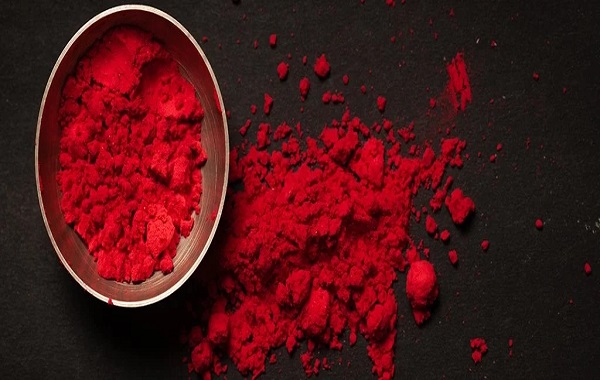
The researchers say the unusually high levels of mercury were likely caused by exposure to cinnabar, a toxic mercury sulfide mineral that, when ground into a fine powder, has a bright red color and has been historically used to produce paint pigments, according to the statement. In fact, one of the largest cinnabar mines in the world is in Almadén, Spain.
At this time, cinnabar had become a highly symbolic, probably sacred substance, “which was sought after, traded and extensively used in a variety of rituals and social practices,” the authors wrote in the study, published Oct. 13 in the International Journal of Osteoarchaeology.
In tombs dating back to this time period found in southern Portugal and Andalusia, cinnabar powder was used to paint chambers, decorate figurines, and even spread over the dead. It’s possible that people could have accidentally, or deliberately for reasons related to rituals, inhaled or consumed large amounts of mercury-filled cinnabar, according to the statement.
By the end of the Copper Age and start of the Bronze Age, or around 2200 BCE, the use of cinnabar decreased significantly, according to the study.
Source: Science Alert
Oldest piece of writing ever found in Israel identified on ancient shard of pottery
Toxic Signature of Poisoning in 5,000-Year-Old Bones Is Oldest Evidence of Its Kind