“The Invisible Massacre: The Secret Plague That Broke Rome’s Iron Legions”
Forget the Barbarians—Rome’s greatest warriors were fighting a losing battle from within. New archaeological evidence reveals the grueling reality of life on the edge of the Empire.
For centuries, history books have painted a picture of the stoic Roman legionnaire: a machine of war clad in iron, standing defiant against the wild tribes of the North. But beneath the polished armor and the legendary discipline, a much darker, invisible war was being waged.
New research from the Roman fort of Vindolanda, nestled near the iconic Hadrian’s Wall, has uncovered a shocking truth. The defenders of Britain weren’t just battling cold winds and Scottish raiders; they were being hollowed out by a relentless “internal enemy.”
The Silent Assassins
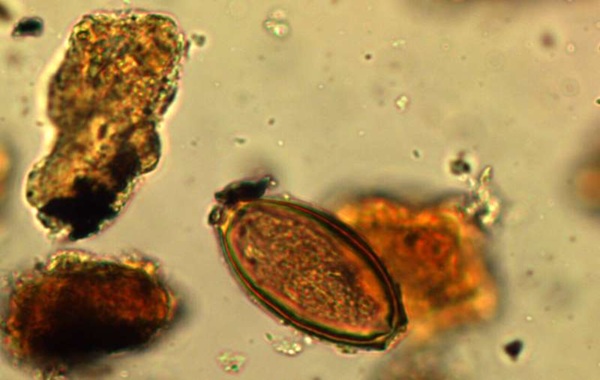
Scientists analyzing ancient sewer systems have discovered that the garrison was plagued by chronic parasitic infections. We are talking about massive roundworms (up to 30cm long), whipworms, and the notorious Giardia—a microscopic parasite that triggers violent outbreaks of diarrhea and dehydration.
Imagine a soldier standing guard on a rain-soaked stone wall, his body racked by cramps, malnutrition, and exhaustion. These weren’t just minor inconveniences; they were debilitating conditions that compromised the combat readiness of Rome’s finest elite.
A Failed Utopia?
The Romans were famous for their “advanced” hygiene—their heated baths, sophisticated toilets, and fresh aqueducts. Yet, this new discovery suggests that their urban lifestyle might have been their Achilles’ heel. The concentration of soldiers in close quarters, combined with contaminated food and water, turned these forts into breeding grounds for disease.
The Human Side of History
This isn’t just about biology; it’s about the human experience. It adds a layer of grit to the legendary tales of the frontier. It shows us that the Roman Empire didn’t just fall because of politics or invasions—it was slowly weakened by the very environment its soldiers tried to conquer.
Next time you see the majestic ruins of Hadrian’s Wall, don’t just think of the glory of Rome. Think of the exhausted soldier in the shadows, fighting a silent, agonizing battle just to stay on his feet.
Source: phys.org
Could Particle Physics Uncover Maya Secrets? Science and the Ancient World Meet Beneath El Castillo
“The Invisible Massacre: The Secret Plague That Broke Rome’s Iron Legions”