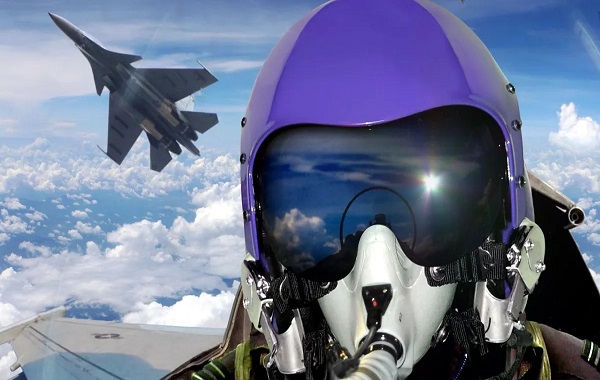
Study confirms brain changes in fighter pilots, similar to astronauts
Research has analyzed the brain activity of F16 fighter pilots to learn how they adapt to altered gravity levels and rapidly process conflicting sensory information, which can be similar to those experienced by astronauts.
The team used MRI scans to conclude that pilots with considerable flight experience “showed specific brain connectivity patterns in areas related to processing sensorimotor information. They also showed differences in brain connectivity compared with non-pilots,” according to a press release.
Researchers hope that the results could help to develop advanced training modules for pilots or astronauts using the data acquired regarding the effects of space flight on the brain.
The study was published in the journal Frontiers in Physiology.
The study compared the brain activity of pilots
The team used 10 fighter jet pilots from the Belgian Air Force for the study. They compared MRI scans of their brains with 10 non-pilots to establish the first-ever study of functional brain connectivity in fighter pilots.
“Fighter pilots have some interesting similarities with astronauts, such as exposure to altered g-levels and the need to interpret visual information and information coming from head movements and acceleration (vestibular information),” said Prof Floris Wuyts of the University of Antwerp, senior author on the study.
The activity could gauge fighter pilots’ specific brain connectivity characteristics, providing insight into the possible condition of astronauts after spaceflight.
Brains evolved to adapt to extreme demands
A notable difference in brain connectivity was found between experienced and less experienced pilots, suggesting that brain changes occur with an increased number of flight hours. “These differences included less connectivity in certain areas of the brain processing sensorimotor information, which may indicate the brain adapting to cope with the extreme conditions experienced during flight.”
Veteran pilots also displayed increased connectivity in frontal areas of the brain that are likely involved in the cognitive demands of flying a complicated jet. A connection between areas of the brain processing vestibular and visual information was also found in seasoned pilots. According to the team, this phenomenon can be attributed to pilots’ need to cope with processing multiple and occasionally conflicting visual and vestibular stimuli at once and to prioritize the most important stimuli, such as reading cockpit instruments.
“By demonstrating that vestibular and visual information is processed differently in pilots compared to non-pilots, we can recommend that pilots are a suitable study group to gain more insight into the brain’s adaptations toward unusual gravitational environments, such as during spaceflight,” said Dr Wilhelmina Radstake, first author on the study.
Source: Interesting Engineering
What energy source sparked the evolution of life?
Study confirms brain changes in fighter pilots, similar to astronauts