Rare protein mutation shields against Parkinson’s disease, study finds
A new study by the USC Leonard Davis School of Gerontology has revealed a rare genetic mutation in a tiny protein that can protect people from developing Parkinson’s disease. This debilitating neurological disorder affects millions worldwide.
The cell’s powerhouse and its microprotein ‘SHLP2’
The mutation occurs in a mitochondrial microprotein called SHLP2, first discovered by USC professor Pinchas Cohen in 2016. The study, published in the journal Molecular Psychiatry on January 3, 2024, shows that people who have this mutation are 50% less likely to get Parkinson’s disease than those who do not.
The mutated form of SHLP2 is found mainly in people of European ancestry and is present in only 1%. It changes the shape and function of the microprotein, making it more stable and effective in preventing mitochondrial dysfunction, a key factor in the development of Parkinson’s disease.
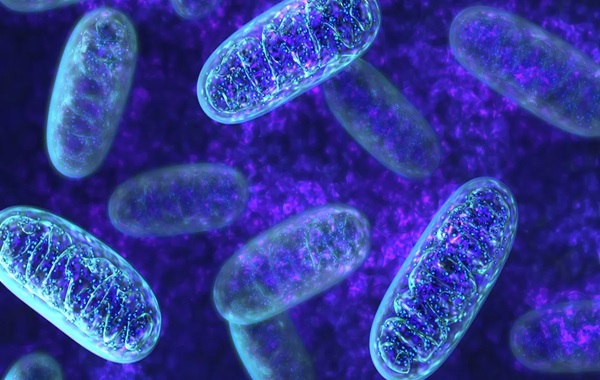
As we all know and have read in school, Mitochondria are the cell’s powerhouses, producing energy and regulating cellular processes. SHLP2 is one of the many microproteins made within the mitochondria and plays important roles in maintaining their health and function. Previous research by the Cohen Lab has shown that SHLP2 protects against aging-related diseases such as cancer and that its levels vary in patients with Parkinson’s disease.
The mutation that matters
“This study sheds light on the molecular mechanisms of Parkinson’s disease and opens up new avenues for developing treatments,” said Cohen, the senior author of the study and a professor of gerontology, medicine, and biological sciences. “It also demonstrates the potential of exploring mitochondrial microproteins as novel targets for preventing and treating diseases of aging.”
The study was led by Su-Jeong Kim, an adjunct research assistant professor of gerontology at the USC Leonard Davis School, who used a large-scale genetic analysis to identify the SHLP2 mutation in thousands of human subjects from three different cohorts: the Health & Retirement Study, the Cardiovascular Health Study, and the Framingham Heart Study. She then performed a series of experiments to confirm the protective effect of the mutation on mitochondrial function and Parkinson’s disease risk.
She found that the mutation, which is a single nucleotide polymorphism (SNP) or a change in one letter of the genetic code, results in a higher expression of SHLP2 and a more stable structure of the microprotein. She also discovered that SHLP2 binds to a crucial enzyme in the mitochondria called mitochondrial complex 1, which generates energy and whose activity declines in Parkinson’s disease. By binding more stably to this enzyme, the mutated SHLP2 prevents deterioration and preserves mitochondrial function.
The study is part of the USC team’s ongoing research on mitochondrial microproteins and their role in aging and disease. It represents a breakthrough in longevity science, precision health, and microprotein discovery.
“We hope that our findings will inspire further research on SHLP2 and other mitochondrial microproteins and lead to the development of new therapies for Parkinson’s disease and other aging-related disorders,” Kim said.
According to the study, the mutant form of SHLP2 demonstrated positive effects in both human tissue samples and mouse models of Parkinson’s disease in in vitro experiments.
Kim stated, “Our data highlights the biological effects of a particular gene variant and the potential molecular mechanisms by which this mutation may reduce the risk for Parkinson’s disease. These findings may provide a roadmap for understanding other mutations found in mitochondrial microproteins and guide the development of therapies.”
Source: Interesting Engineering
Scientists Destroy 99% of Cancer Cells in The Lab Using Vibrating Molecules
Rare protein mutation shields against Parkinson’s disease, study finds