Oldest Piercings in the World, Dating Back 11,000 Years, Found in Turkey
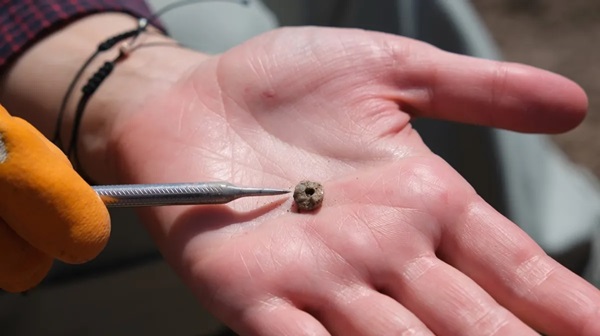
In Turkey, the earliest conclusive evidence for body piercing has been discovered, with prehistoric ornaments made of stone and volcanic glass. These accessories, recovered from graves at a Neolithic settlement in Türkiye, are believed to have been associated with coming-of-age rituals, symbolizing the passage from childhood to maturity.
Previous findings hinted at decorative body perforation dating back at least 12,000 years, but this new discovery represents the earliest confirmed piercings found on actual bodies.
“We knew there were earring-like artifacts in the Neolithic, found at many sites,” explained study author Dr. Emma Baysal. “But we lacked in situ finds confirming their use on the human body before the late Neolithic.”
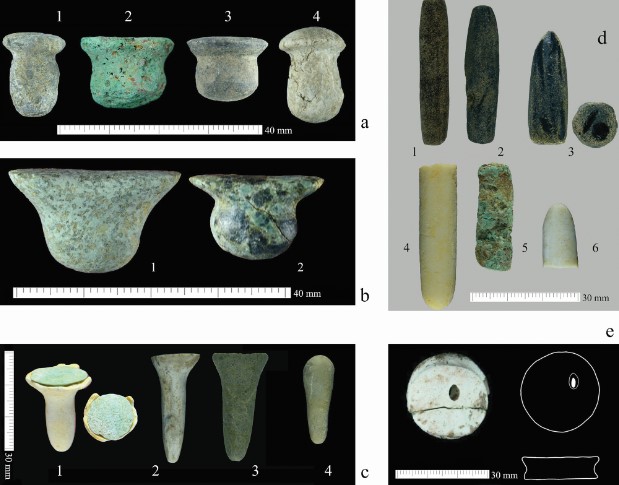
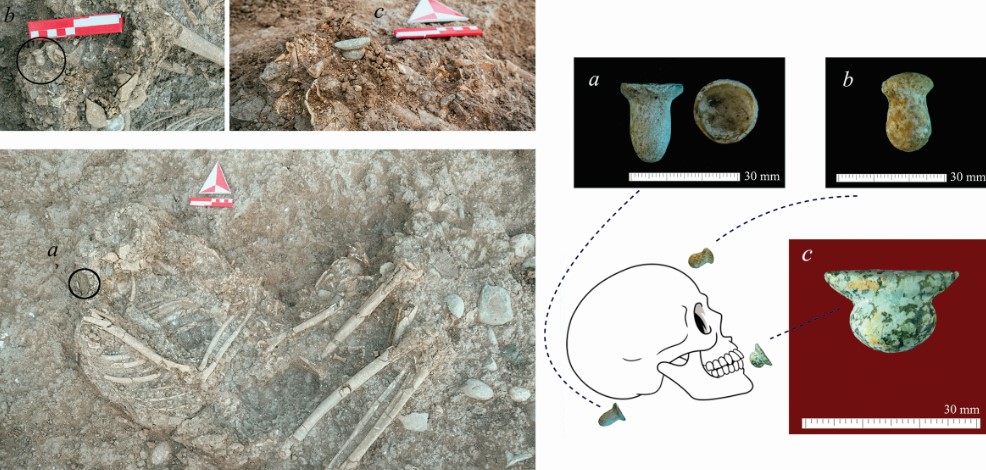
The objects were found at the Stone Age site of Boncuklu Tarla, dating back to the Pre-Pottery Neolithic. Unlike other similar prehistoric artifacts, these ornaments were found around the ears and mouths of the skeletons, indicating they were definitely used as piercings.
In total, the study authors discovered 106 items intended for this purpose, 85 of which were complete enough to be analyzed. These were mostly made of limestone, river pebbles, or obsidian and had a minimum diameter of 7 millimeters (0.28 inches), requiring a large perforation in the wearers’ skin.
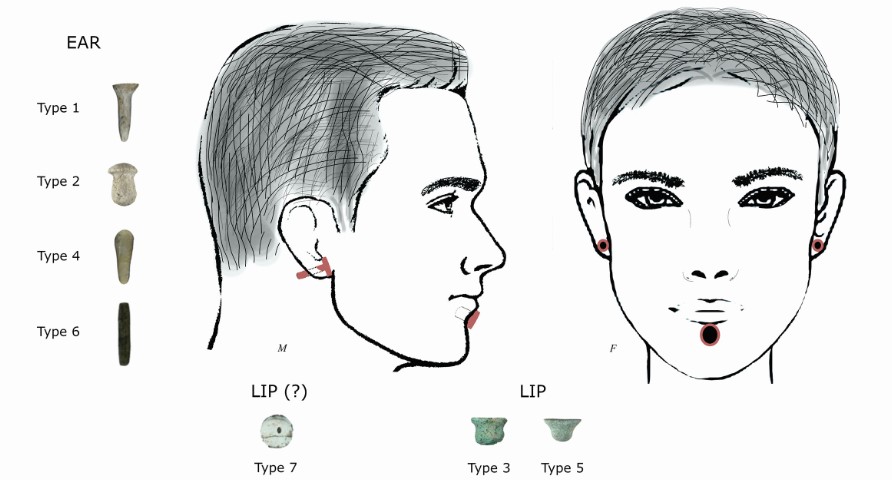
Seven different piercing types were identified, some found in or around skeletons’ ear canals, categorized as ear piercings. Others were discovered within the neck or ribcage area, close to the chin, indicating they were worn as a type of lip stud called a labret.
Further proof for the use of lip labrets came from an artifact found within the oral cavity of a skeleton. Osteological analysis then revealed a particular pattern of wear on this individual’s lower incisors, likely caused by repeated contact with a stone piercing beneath the lower lip.
Importantly, the ornaments were only found in adult graves and not associated with children. This leads to the suspicion that body piercing was a rite of passage, initiating older adolescents into adulthood.
Such a ritual may have been intended to produce a noticeable alteration in an individual’s persona as they reached maturity. Labrets also cause significant changes in the wearer’s speech, eating, and breathing, producing a multisensory change perceived by both wearer and viewer.
More generally, Baysal says that the Neolithic inhabitants of Boncuklu Tarla had complex ornamentation practices involving beads, bracelets, and pendants, expressing a highly developed symbolic world through the human body.
Moreover, her team’s findings show that traditions still very much part of our lives today were already developed at the important transitional time when people first settled in permanent villages in western Asia more than 10,000 years ago.
Source: Oldest Piercings in the World, Dating Back 11,000 Years, Found in Turkey
Giant Plague Grave Could Be Largest Mass Burial Site Ever Seen in Europe
Giant Plague Grave Could Be Largest Mass Burial Site Ever Seen in Europe