Mysterious Bronze Age Rituals in Başur Höyük: Human Sacrifice Exposed
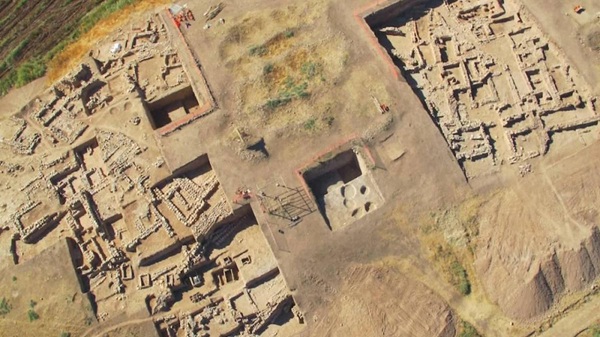
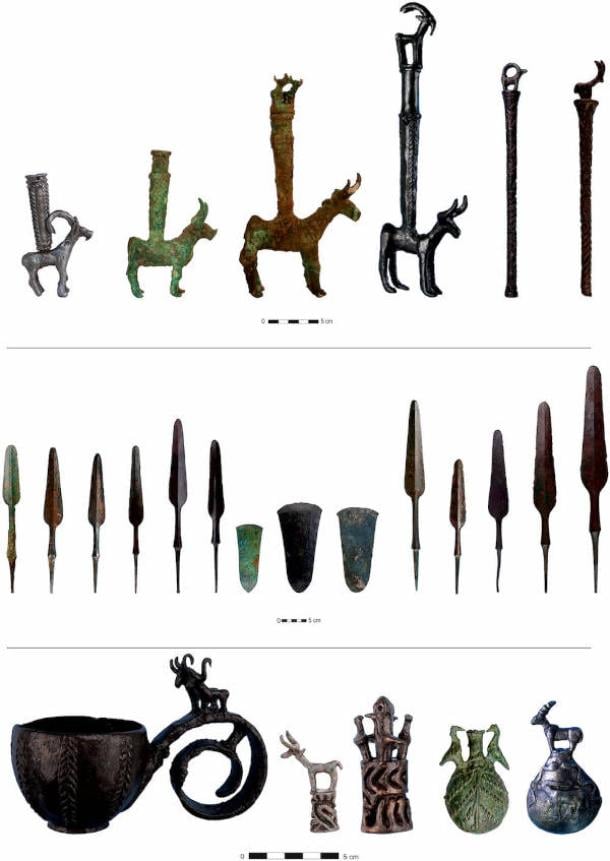
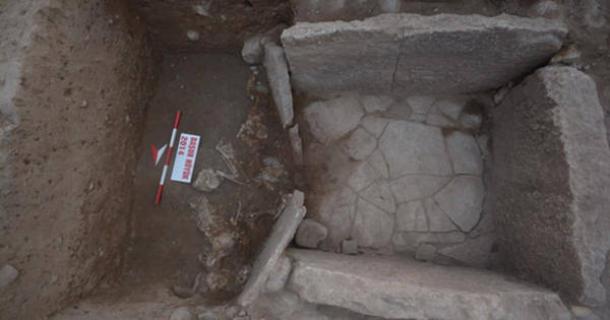
Five thousand years ago, Bronze Age societies in Mesopotamia constructed elaborate stone tombs filled with remarkable grave goods—and evidence of large-scale human sacrifice. Recent research at Başur Höyük in Turkey reveals that most of these sacrificial victims were adolescent females. This finding challenges earlier assumptions about Bronze Age political and social systems and emphasizes the crucial role of adolescence in ancient cultures.
Revelations on Adolescent Sacrifice and Ancient Ritual Practices
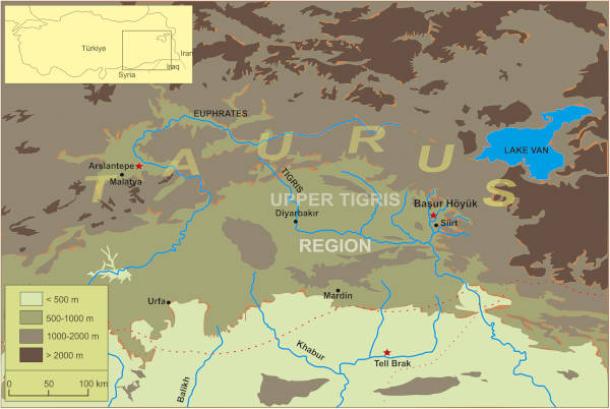
David Wengrow, a professor of comparative archaeology at University College London, explains, “The fact that they are mostly adolescents is fascinating and surprising.” His team’s analysis of skeletons from Başur Höyük, dating between 3100 and 2800 BC, indicates that the victims were not biologically related and that many were female teenagers. These findings prompt us to ask: Why did this society focus its extreme ritual on adolescents, and what did it signify about their view of youth and transition?
Unraveling Social Hierarchies and Egalitarian Structures
For a long time, scholars assumed that early Bronze Age societies operated under strict hierarchical monarchies. However, the Başur Höyük burials suggest a more complex social organization—possibly a fluid system where roles were defined by age and gender rather than heredity alone. Instead of royal bloodlines dictating sacrifice, the remains hint that ritual practices may have involved an “age set” of young individuals. Transitioning from the idea of retainer sacrifice in royal tombs, these results raise intriguing questions: Could these rituals have served as a passage to adulthood, or were they part of inter-group conflicts that left only a select few to survive?
Linking Ancient DNA Evidence to Societal Dynamics
Researchers utilized ancient DNA analysis to reveal that the individuals interred in the tombs were not related. This groundbreaking evidence shifts the narrative from a singular royal family’s sacrifice to a broader, possibly voluntary, convergence of unrelated adolescents. Wengrow emphasizes that these sacrifices likely represented an extreme form of ritual initiated by a diverse community. As stable isotope analysis is planned to trace geographical origins, we must wonder: What broader networks and interactions existed among these ancient peoples, and how did they influence such elaborate sacrificial customs?
Future Inquiries: Challenging Preconceptions and Seeking Answers
These discoveries encourage us to reexamine long-held beliefs about the political and social structures of early Bronze Age societies. Did these communities value the physical and spiritual qualities of youth in a way that influenced their survival strategies? Were these practices part of a religious cult, or did they stem from fierce inter-group competition reminiscent of a brutal “survival of the fittest” scenario? Further research, including isotopic analysis, promises to shed more light on these compelling questions.
In exploring these enigmatic rituals, we invite you to reflect on the broader implications: How do ancient practices influence our understanding of human development, and what lessons can we learn about the social importance of adolescence? These questions, intertwined with recent archaeological insights, compel us to delve deeper into the complex tapestry of our ancient past.
Source: Mysterious Bronze Age Rituals in Başur Höyük: Human Sacrifice Exposed
252 Milyon Yıllık Sır Çözüldü: İklim Değişikliği Bizi Yeni Bir Kitlesel Yok Oluşa mı Sürüklüyor?
252 Milyon Yıllık Sır Çözüldü: İklim Değişikliği Bizi Yeni Bir Kitlesel Yok Oluşa mı Sürüklüyor?