Jewel of the Forest: New Electric Blue Tarantula Species Discovered in Thailand
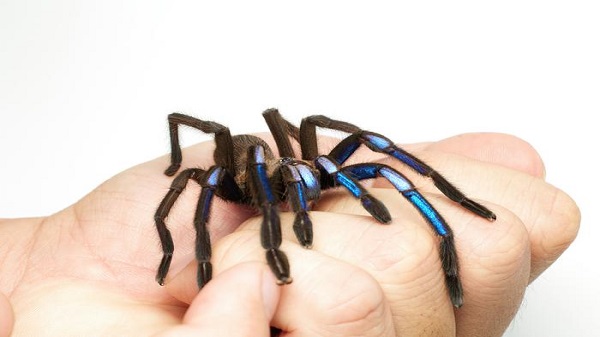
A new species of tarantula with an electric blue color has been discovered in Thailand.
In 2022, the bamboo culm tarantula was discovered, marking the first identification of a species of tarantula living in bamboo culms. Inspired by this discovery, we embarked on another amazing expedition. During this expedition, we came across a fascinating new species of electric blue tarantula,” said researcher Dr. Nalin Chong Puan.
After Taksinus bambus was published in Thailand, he and his research team, along with local wildlife YouTuber JoCho Sippawat, embarked on a research expedition in Phang Nga province. There they identified a new species of tarantula based on its distinctive electric blue body color. This was the first tarantula found in the mangrove forests of Thailand.
The first specimen we found was on a tree in a mangrove forest. This tarantula lives in tree cavities, and the difficulty in catching the Electric Blue Tarantula lies in the need to climb the tree and lure it out of the complex cavities in humid and slippery conditions. On our expedition, we walked at low tide in the evening and at night and only caught two tarantulas,” says Nalin.
The secret of the bright blue color of our tarantulas does not lie in the presence of blue pigment, but in the unique structure of the hairs,” he says. There are nanostructures built into the hairs that manipulate light to produce this striking blue color.
Blue is one of the rarest colors found in nature, which makes the animal’s blue color particularly attractive. To appear blue, an object must reflect high-energy blue light while absorbing a very small amount of energy. Because of the complexity of creating molecules that can absorb this energy, blue color is relatively rare in nature. Even more fascinating is its ability to produce striking iridescent effects, producing not only blue but also beautiful purples.
This species was previously found in the commercial tarantula market. There, it was known as “Chilobrachys sp. Electric Blue Tarantula,” but there was no documentation describing its unique characteristics or natural habitat,” says Nalin.
The Electric Blue Tarantula has shown remarkable adaptability. This tarantula can grow not only in the trees of an evergreen forest, but also in burrows on land. However, when it comes to mangrove forests, their habitat is limited to tree cavities because they are affected by the tides,” he also says.
The scientific name Chilobrachys natanicharum was decided after a naming auction campaign for the new species. The winning bidder in the auction campaign was Nichada Properties of Thailand, which proposed a name that combined the names of Natakorn Chanru, an executive at the company, and Ms. Nichada Chanru.
All proceeds from the auction were donated to support the education of children of Thailand’s Lahu tribe and to help poor cancer patients.
The Lahu are an indigenous tribe in northern Thailand (Muso), known for their vibrant culture and traditional way of life. Unfortunately, many Lahu children are unable to receive an education due to poverty, limiting their future opportunities. In addition, cancer is a significant public health problem worldwide, affecting millions of people each year. Many cancer patients struggle with economic hardship, making access to quality health care even more difficult. We believe that everyone deserves access to quality health care, regardless of economic status.
It is imperative that the public understands the importance of taxonomy as a basis for research.” From something as basic as people asking the name of a spider on social media to important research aimed at protecting these species from extinction, taxonomy plays an important role,” Nalin said.
Mangrove forests are facing a deforestation crisis. The Electric Blue Tarantula is one of the rarest tarantulas in the world. Are we unwittingly contributing to habitat destruction and driving these unique creatures from their habitat?
Source: Jewel of the Forest: New Electric Blue Tarantula Species Discovered in Thailand
The world’s largest gravity hole in the Indian Ocean. The Reason is Revealed