
Have We Already Seen Evidence of Alien Technology and Missed It?
Are Astronomers Accidentally Tapping into an Interstellar Broadcast?
The Search for Alien Civilizations Enters Real-Time: How Astronomers Are Turning Supernova Detectors Into SETI Tools
From Exploding Stars to Alien Technosignatures: A Bold Repurposing of Astronomy’s Watchdogs
What if the same telescopes that detect exploding stars could also catch signs of intelligent alien life? That’s the radical new approach being pioneered by researchers who are transforming astronomical alert systems—designed to spot cosmic catastrophes—into tools for detecting technosignatures, potential evidence of advanced extraterrestrial civilizations.
Million Alerts a Night: ZTF and the Rise of Real-Time Sky Monitoring
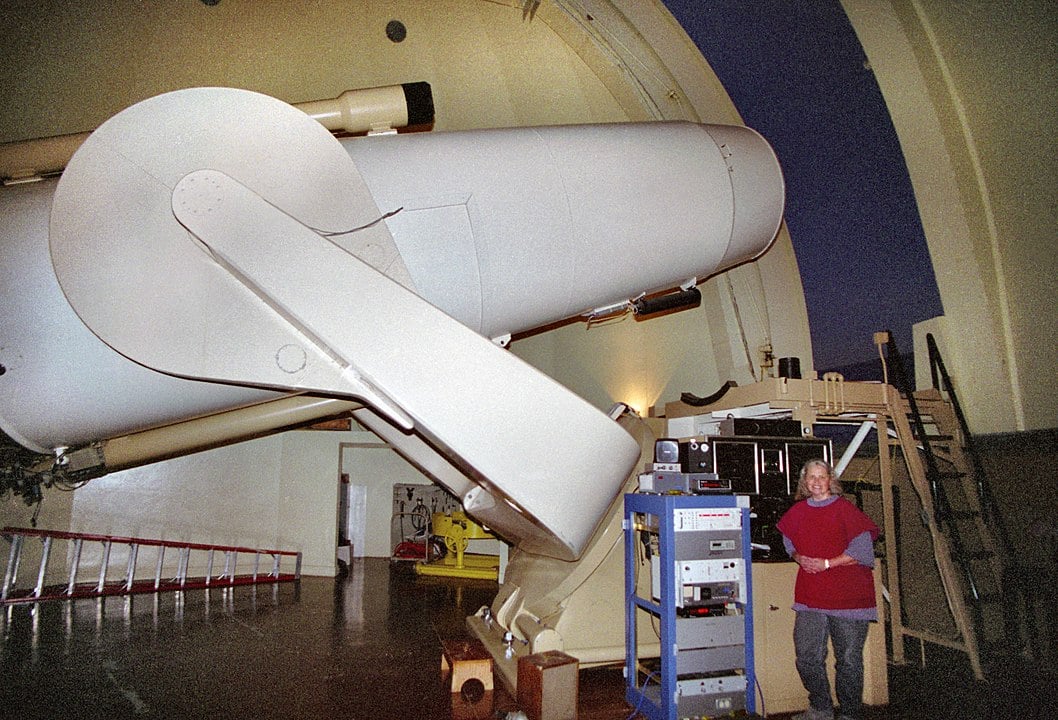
Each night, the Zwicky Transient Facility (ZTF) scans the sky, producing up to one million alerts of changes in celestial brightness—whether an object appears, fades, or flares. These alerts are distributed through nine “alert brokers,” powerful software systems that act as the nervous system of modern observational astronomy. And this is only the beginning.
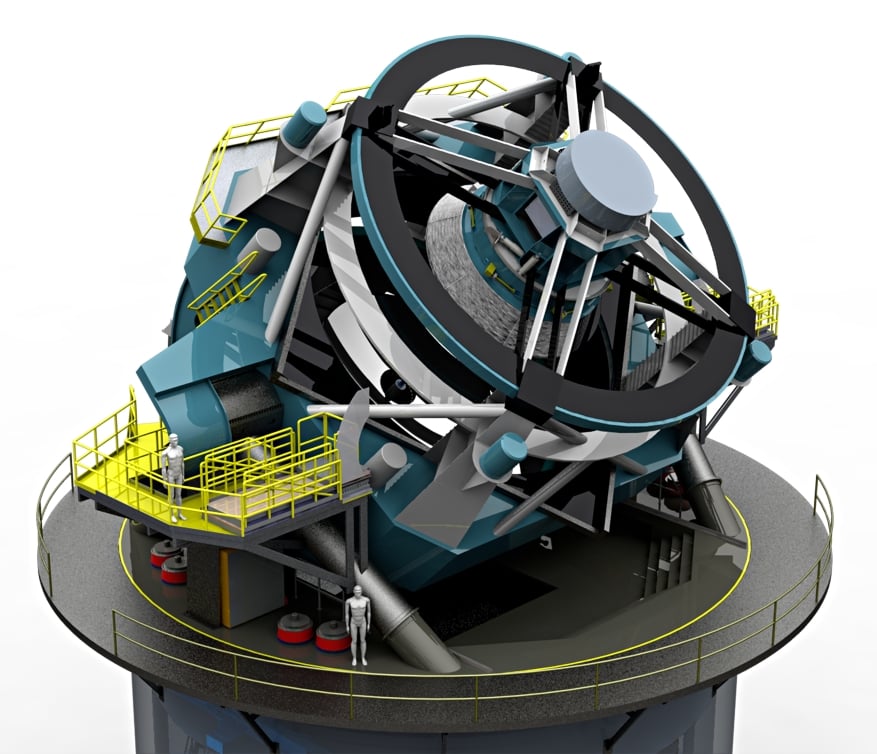
The upcoming Legacy Survey of Space and Time (LSST) from the Vera C. Rubin Observatory will increase alert volume by an order of magnitude, ushering in an era of real-time sky surveillance with unprecedented depth.
Can We Find Artificial Structures Like Dyson Spheres?
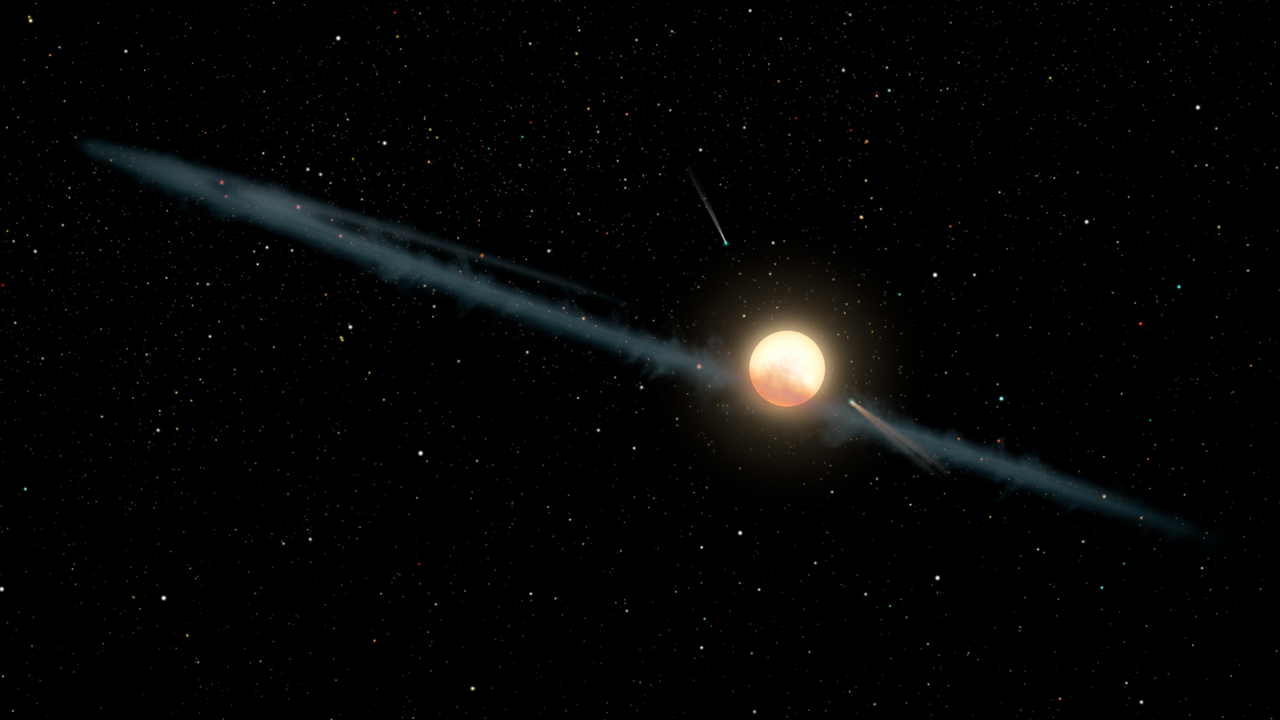
The new direction in SETI (Search for Extraterrestrial Intelligence) research draws inspiration from the enigmatic case of Boyajian’s Star (KIC 8462852). This star captured public imagination due to its unexplained dimming events. Though dust clouds were the likeliest cause, some astronomers speculated about the presence of megastructures—like Dyson spheres, hypothetical energy-harvesting constructs built by advanced civilizations.
This mystery illustrated a provocative possibility: Could strange dimming patterns reveal alien technology?
Hunting for Stellar Dippers: Stars That Dim Without a Cause
Researchers Eleanor Gallay, James Davenport, and Steve Croft have taken that idea further. Their study proposes a system to automatically flag “stellar dippers”—stars that suddenly dim in ways that can’t be explained by known natural phenomena. These aren’t typical variable stars; they show sudden and severe drops in brightness that defy classical explanations.
Finding such anomalies is no small task. The team devised a two-stage approach: first filtering raw alerts via the brokers’ built-in tools, then applying historical data analysis to isolate truly rare events. The goal? To find stars behaving so oddly that only exotic explanations remain on the table.
Using Optical SETI and the SETI Ellipsoid to Boost Technosignature Detection
The study doesn’t stop at light curves. Researchers also incorporate optical SETI strategies, including planetary transit zone geometries and the intriguing concept of the SETI Ellipsoid. This mathematical model maps out areas in space where alien observers could detect Earth transiting the Sun—and, if they noticed us, might try to contact us in return.
What if alien civilizations are already watching—and waiting for the right cosmic moment to say hello?
A Free Ride on the Universe’s Most Advanced Surveillance Network
Instead of building new telescopes just for SETI, this approach takes advantage of existing, cutting-edge astronomical infrastructure. Projects like ZTF and the forthcoming LSST already monitor the entire sky every few nights. By piggybacking on these systems, researchers get “a free ride” to conduct a continuous, passive SETI search across millions of stars.
It’s efficient, cost-effective, and scalable. More importantly, it signals a philosophical shift: we no longer have to choose between traditional astronomy and the search for alien life—we can do both.
Limitations Acknowledged—But Future Potential Is Enormous
The researchers are clear about the limitations. Today’s alert brokers weren’t designed with SETI in mind. But with a few upgrades—like enhanced filters for non-repeating anomalies or dedicated SETI watchlists—these systems could evolve into powerful alien detection engines.
Some brokers are already close. For example, Lasair offers a “watchmap” feature that allows users to monitor specific regions of the sky for recurring or unique activity—a promising tool for spotting irregular technosignatures.
Vera C. Rubin Observatory Will Supercharge the Hunt
Once the LSST is fully operational, astronomers will receive even more data than ever before. This influx presents a dual challenge: distinguishing meaningful anomalies from sheer noise. But with better algorithms and training sets—perhaps even machine learning techniques tuned for SETI—the potential for discovery grows exponentially.
Could the first real sign of intelligent life be hiding in a dataset we already have?
Conclusion: A Smarter, Real-Time SETI Built on Astronomical Infrastructure
This research marks a turning point. Instead of waiting for rare radio signals from distant worlds, scientists are now using real-time optical data to scan for signs of alien engineering. It’s a pragmatic approach—low-cost, scalable, and integrated into astronomy’s most powerful systems.
While we’re still far from detecting an alien megastructure, this study lays the groundwork for a new generation of SETI—one that never sleeps, never blinks, and watches the universe with unwavering eyes.
Will the next great discovery in the search for life beyond Earth come from an exploding star detector?
Source: Have We Already Seen Evidence of Alien Technology and Missed It?
Did a Passing Star Cause Earth to Warm 56 Million Years Ago?
Did a Passing Star Cause Earth to Warm 56 Million Years Ago?
Have We Already Seen Evidence of Alien Technology and Missed It?