Did Ancient Men and Women Really Live as Equals in Çatalhöyük?
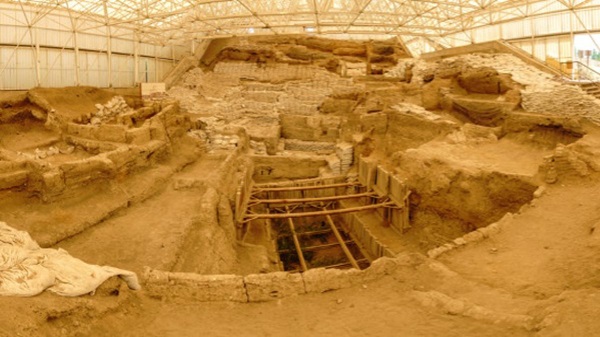
Overlooking the Konya Plain in Turkey lies Çatalhöyük, the largest and best-preserved Neolithic site. While much of the world was populated by nomadic hunter-gatherers, Çatalhöyük was home to up to 10,000 people, forming a remarkable and socially unique town. According to a 2014 report from Hurriyet Daily News, recent excavations have revealed that men and women in Çatalhöyük enjoyed equal status.
Equal Status for Men and Women Based on Archaeological Findings
Researchers analyzed the art, sculptures, and burial practices in Çatalhöyük and concluded that gender equality was a key aspect of life in this ancient city. “Thanks to modern scientific techniques, we have discovered that men and women ate similar foods, lived similar lives, and worked in comparable roles,” said Professor Ian Hodder, who led the Stanford University excavation. “The same social stature was accorded to both genders.”

A Society Built on Equality, Not Hierarchy
Çatalhöyük stands out for its egalitarian social structure, especially when compared to other Middle Eastern settlements of the time. There was no central leadership, administrative buildings, or hierarchical organization. “The principle of equality was central to Çatalhöyük, which sets it apart from the hierarchy present in neighboring regions,” added Professor Hodder.
Unconventional Burial Practices in Çatalhöyük
Another intriguing discovery is that burials were not based on family ties. Most deceased individuals were buried in pits beneath homes, but DNA analysis revealed they were not biologically related to the household members. “Residents of Çatalhöyük lived as families, but those buried together were not necessarily related by blood,” Hodder explained.
The Ongoing Legacy of Çatalhöyük
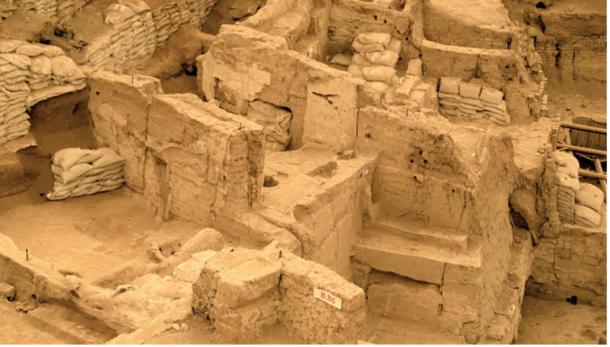
Discovered in 1958 by James Mellaart, Çatalhöyük has been a focal point for archaeological research since 1961. Extensive excavations from 1995 to 2018 have continuously reshaped our understanding of Neolithic life. Today, it is a UNESCO World Heritage site, and further research is conducted by Anadolu University to uncover even more about this extraordinary settlement.
Source: Did Ancient Men and Women Really Live as Equals in Çatalhöyük?
Hundreds of Mysterious Nazca Glyphs Have Just Been Revealed