Cardiovascular breakthrough: Nanoparticle therapy cuts plaque buildup in arteries
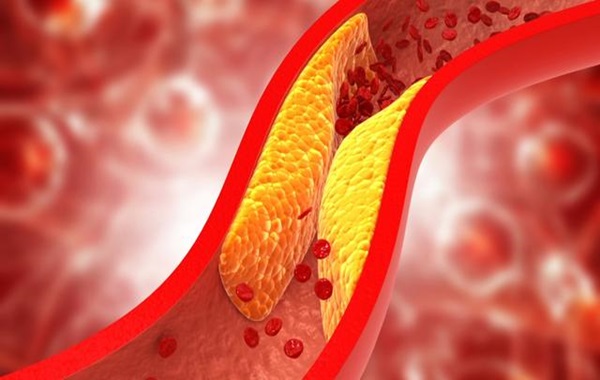
Cardiovascular disease is a leading cause of death worldwide. One major contributor is the buildup of plaque in the arteries, which can lead to inflammation and potentially fatal heart attacks.
Researchers at Michigan State University have developed a new nanotherapy infusion for the treatment of arterial plaque inflammation.
The new therapy works by identifying and attacking the specific areas of inflammation in the arteries. This triggers the immune system to help break down and remove the plaque buildup.

Nanoparticles based therapy
There are two types of plaque buildup in the artery. One can cause a 95% to 99% blockages. People may experience chest pain or pressure, nausea, or dizziness before a blockage.
This can be treated with stents to raise the blood flow. The other is highly inflammatory and can rupture, leading to heart attacks. The new nanotherapy targets this dangerous type of plaque.
“That’s the scarier one that leads to most heart attacks,” said Bryan Smith, an associate professor in the College of Engineering and MSU’s Institute for Quantitative Health Science and Engineering.
“Because such plaques don’t necessarily block much of the artery, and because the effects of the rupture can very suddenly completely block blood flow, such a heart attack can seem to appear as if from nowhere,” Smith added.
The team developed this nanotherapy infusion using nanoparticles, which are materials thinner than human hair.
Testing in pig
The nanotherapy precisely targets a particular type of immune cell that is found within the plaque. When the nanotherapy reaches these immune cells, it activates them and stimulates their function. The activated immune cells then begin to “eat away” at the core of the plaque, essentially breaking it down.
By targeting and removing the plaque, the nanotherapy also helps to reduce inflammation within the blood vessel.
The nanotherapy was tested on pigs to prove its effectiveness, safety, and potential side effects.
The treatment demonstrated its effectiveness in reducing plaque inflammation without causing harmful side effects.
“Using PET [positron-emission tomography] scans, we were able to measure the effects of the therapy on pig arteries,” said Smith.
“We showed in animal models such as pigs that we can decrease the levels of inflammation in the plaque based not only on this clinically used PET imaging technique but also by molecular assays. Just as importantly, we saw none of the side effects that would have been anticipated had the therapy not been precisely targeted,” he explained in the press release.
Earlier experiments conducted on mice required a small amount of the nanotherapy infusion, measured in microliters. The researchers have successfully scaled up the production of the nanotherapy to liters.
This larger quantity of nanotherapy is effective in treating pigs. This is a significant step towards making the therapy available for treating patients with arterial plaque inflammation.
Source: Interesting Engineering
The Sad Case of The Youngest Person Ever Diagnosed With Alzheimer’s
Cardiovascular breakthrough: Nanoparticle therapy cuts plaque buildup in arteries