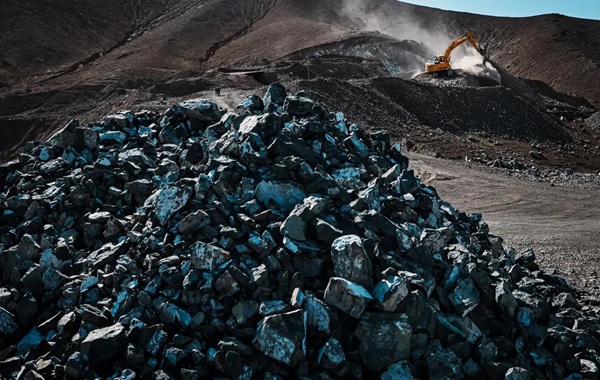
Rare earth goldmine: Top 10 nations controlling critical metals for global tech
Rare earth elements (REEs), a group of 17 metals including 15 lanthanides, plus scandium and yttrium, are vital for modern technology, from smartphones and electric vehicles to wind turbines and military hardware.
While not truly rare, these metals are unevenly distributed, making them strategically critical.
China dominates the global rare earth supply, holding nearly half of known reserves and controlling most production. Other countries are racing to secure their own sources as demand for these metals continues to rise.
Here’s a look at the world’s largest rare earth reserves:
1. China – 44 Million Metric Tons
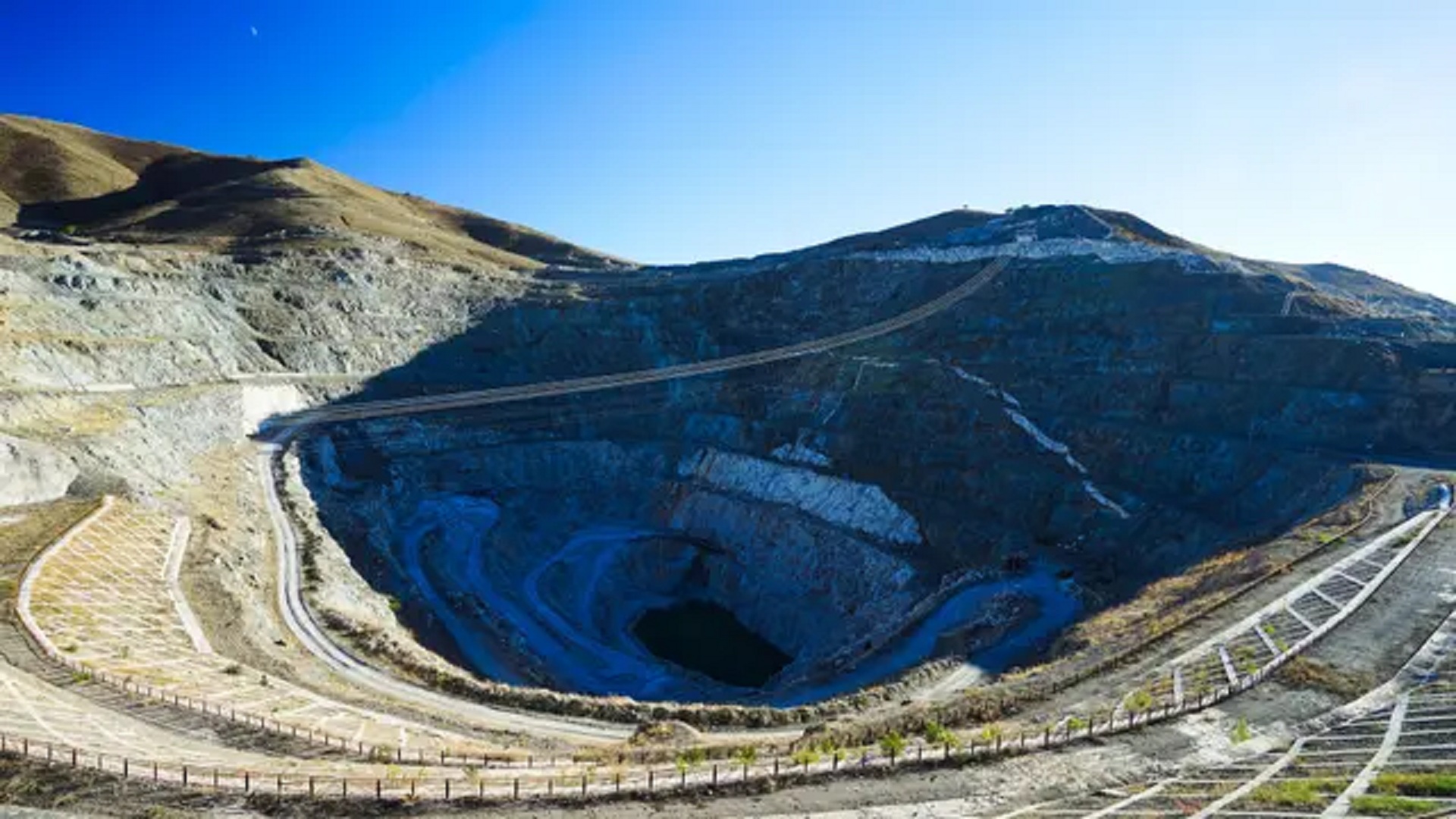
China leads the world with 44 million metric tons of rare earth reserves, accounting for nearly half of the global total.
The country also dominates production and processing, controlling a significant portion of the global supply chain. China’s strategic management of its rare earth resources has solidified its position as a central player in the global market.
2. Brazil – 21 Million Metric Tons
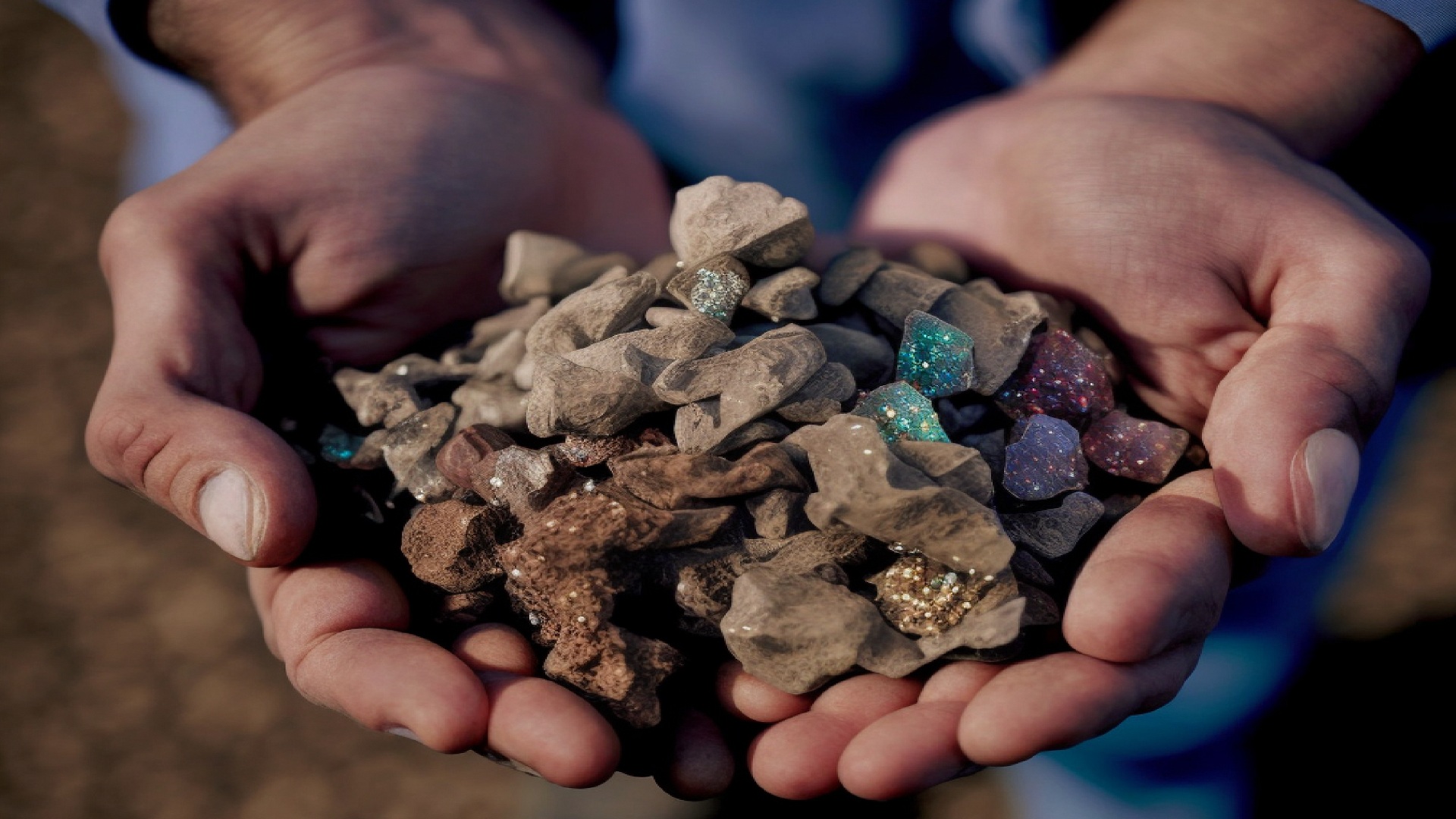
Brazil possesses an estimated 21 million metric tons of rare earth reserves, the second-largest globally. Despite this vast reserve, Brazil’s production remains limited, and the country has yet to fully capitalize on its potential.
Exploration and development efforts are ongoing, with the aim of boosting production in the coming years.
3. India – 6.9 Million Metric Tons
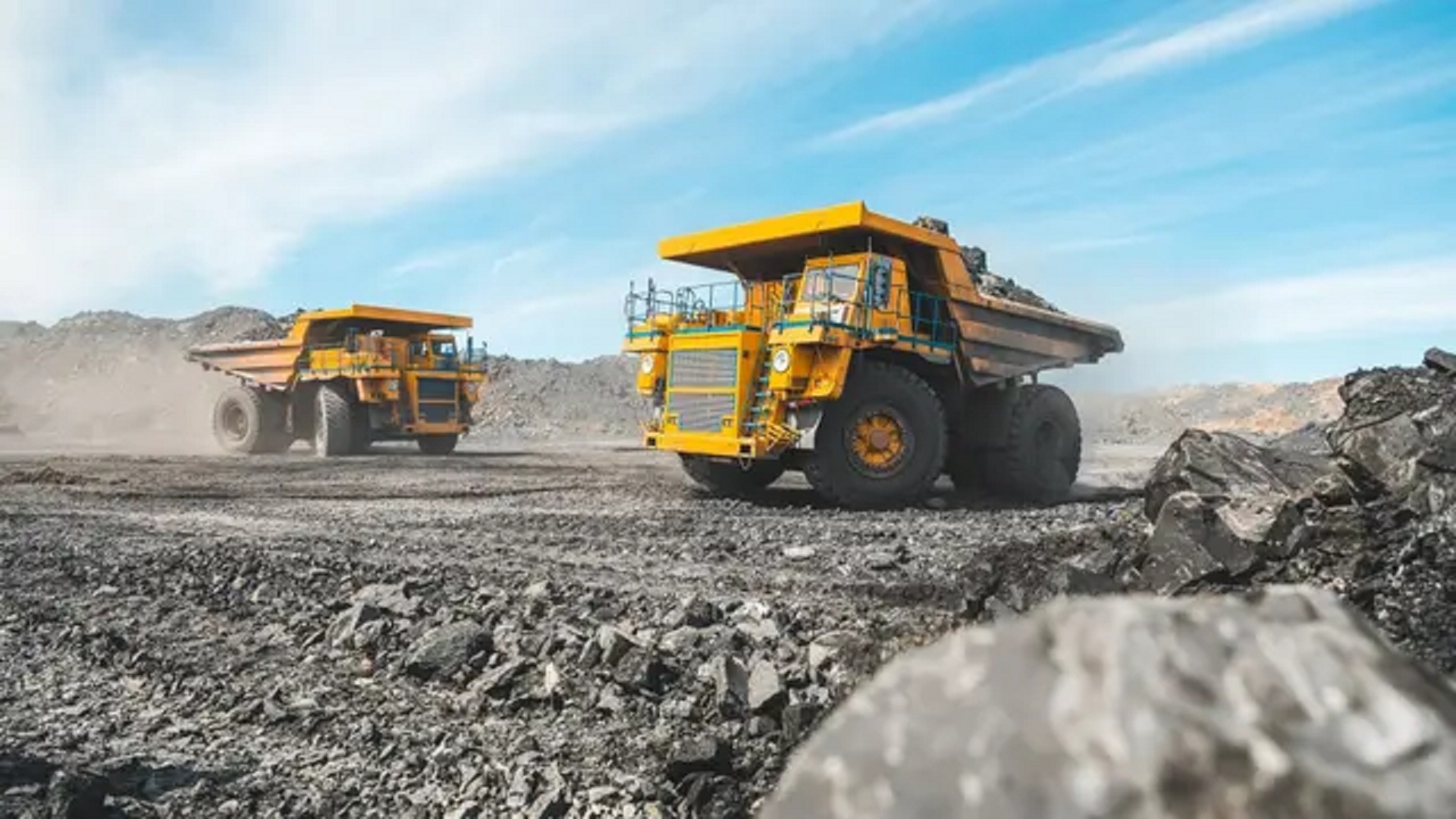
India holds approximately 6.9 million metric tons of rare earth reserves. The country also accounts for about 35% of global beach and sand mineral deposits, which are crucial sources of these elements.
India’s production has been increasing, and the government is investing in infrastructure to further develop its rare earth industry.
4. Australia – 5.7 Million Metric Tons
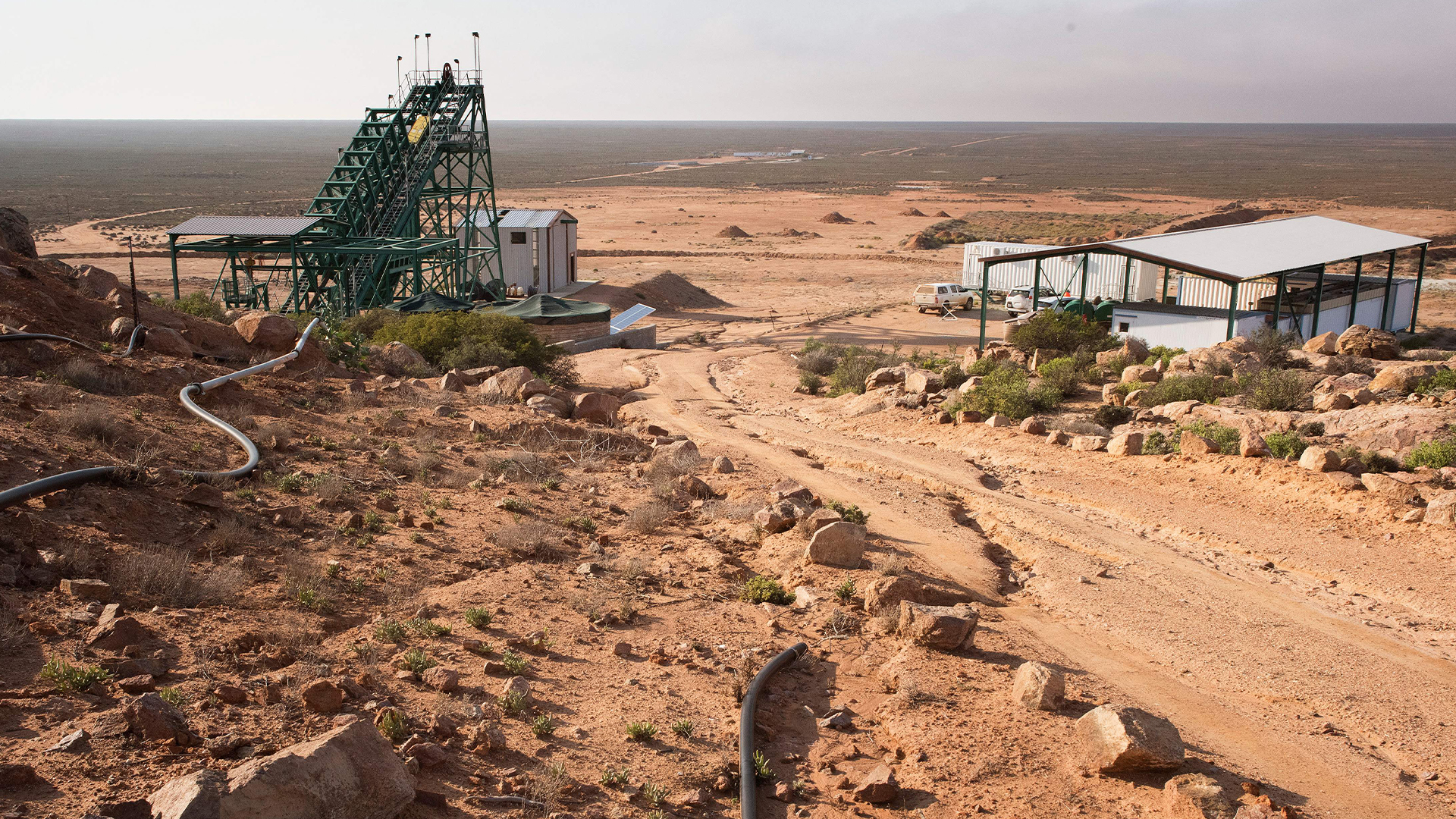
Australia ranks fourth globally with 5.7 million metric tons of rare earth reserves. The country has been increasing its production capacity, with several mining projects underway.
Australia’s rich deposits and stable mining environment make it a key player in the global rare earth market.
5. Russia – 3.8 Million Metric Tons
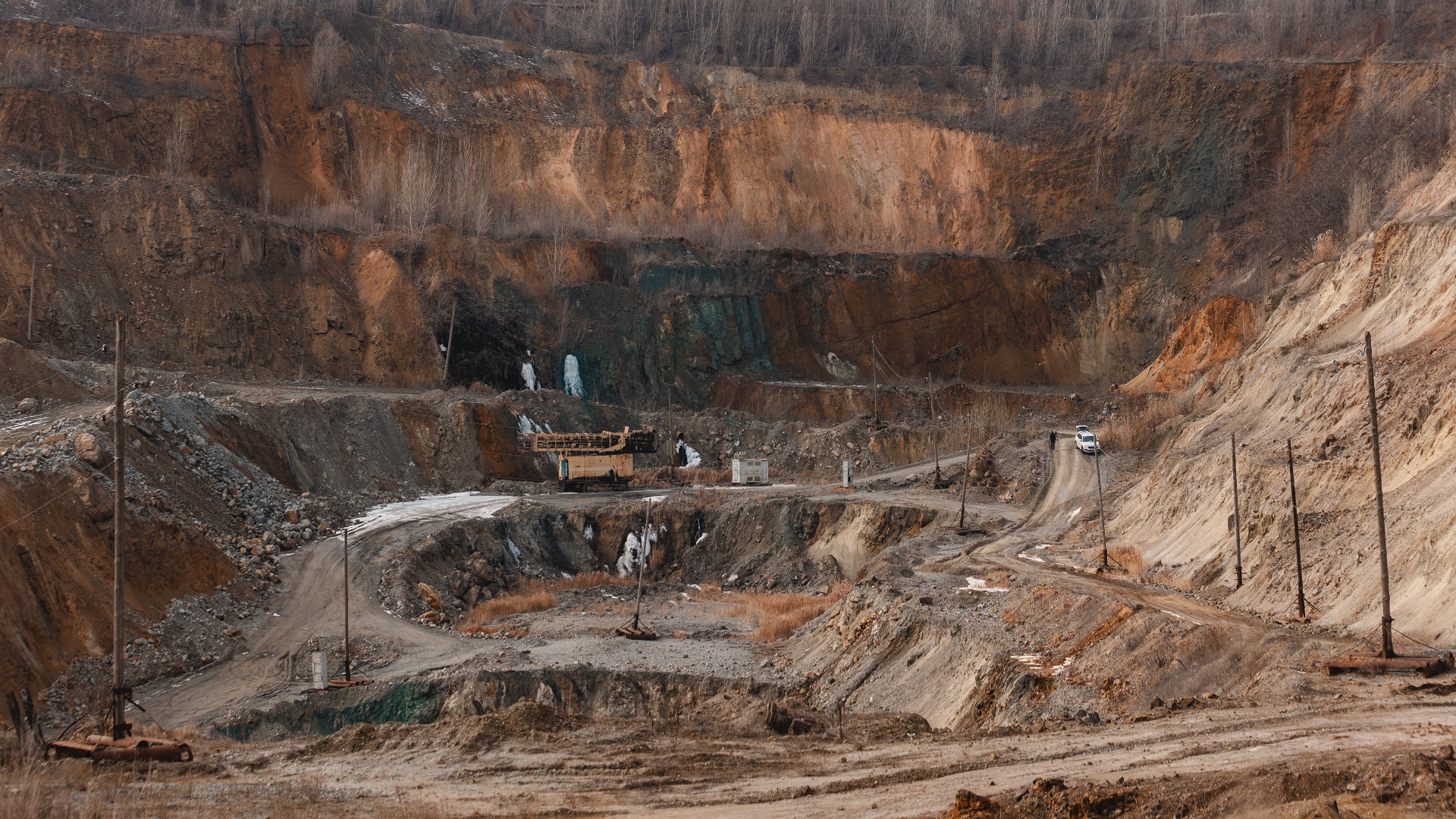
Russia possesses about 3.8 million metric tons of rare earth reserves.
While this represents a decrease from previous estimates, the country continues to explore and develop its resources, aiming to enhance its position in the global market.
6. Vietnam – 3.5 Million Metric Tons
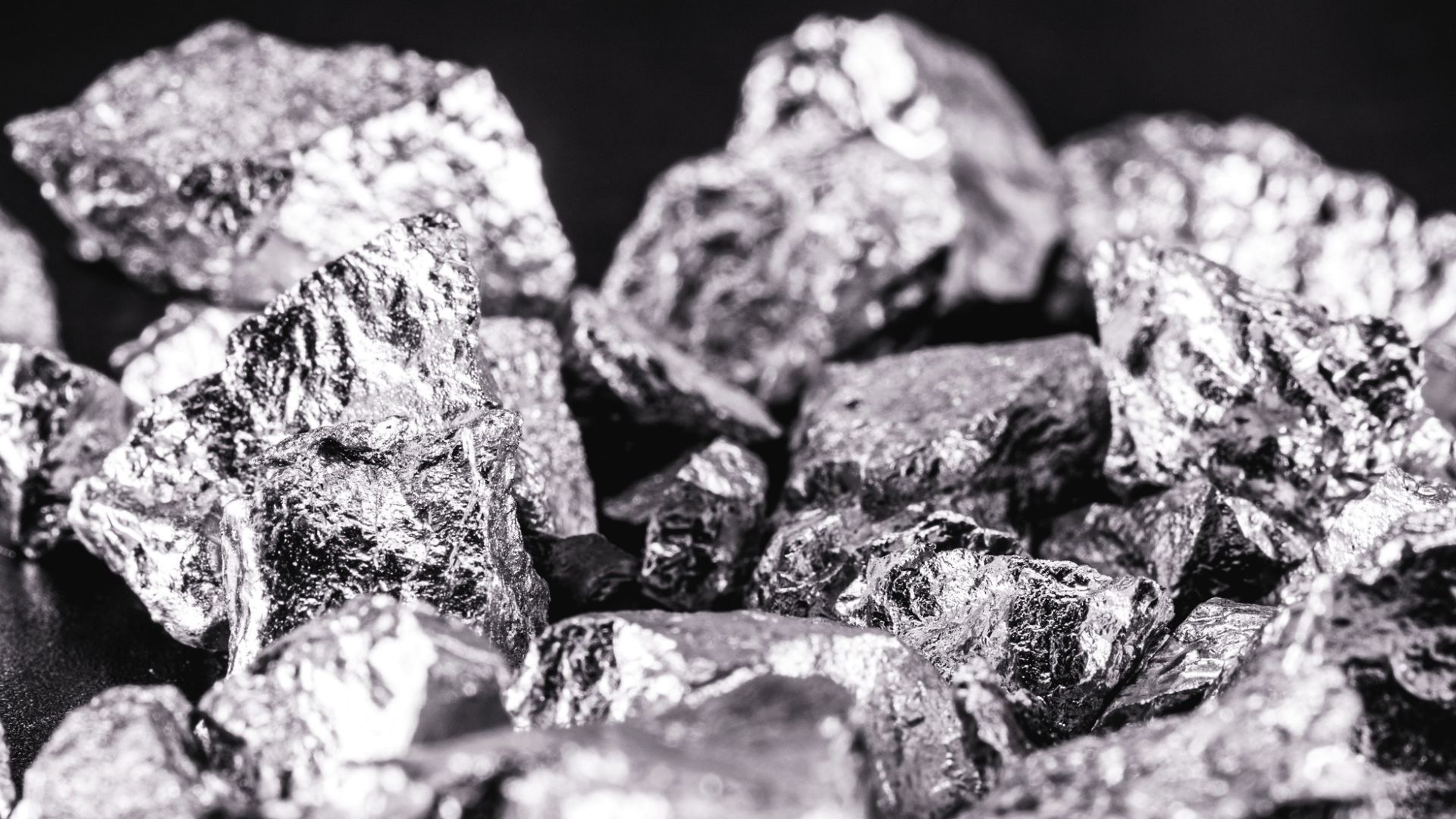
Vietnam holds approximately 3.5 million metric tons of rare earth reserves.
Deposits along its northwestern border with China and eastern coastline are being explored to boost production and reduce reliance on imports.
7. United States – 1.9 Million Metric Tons
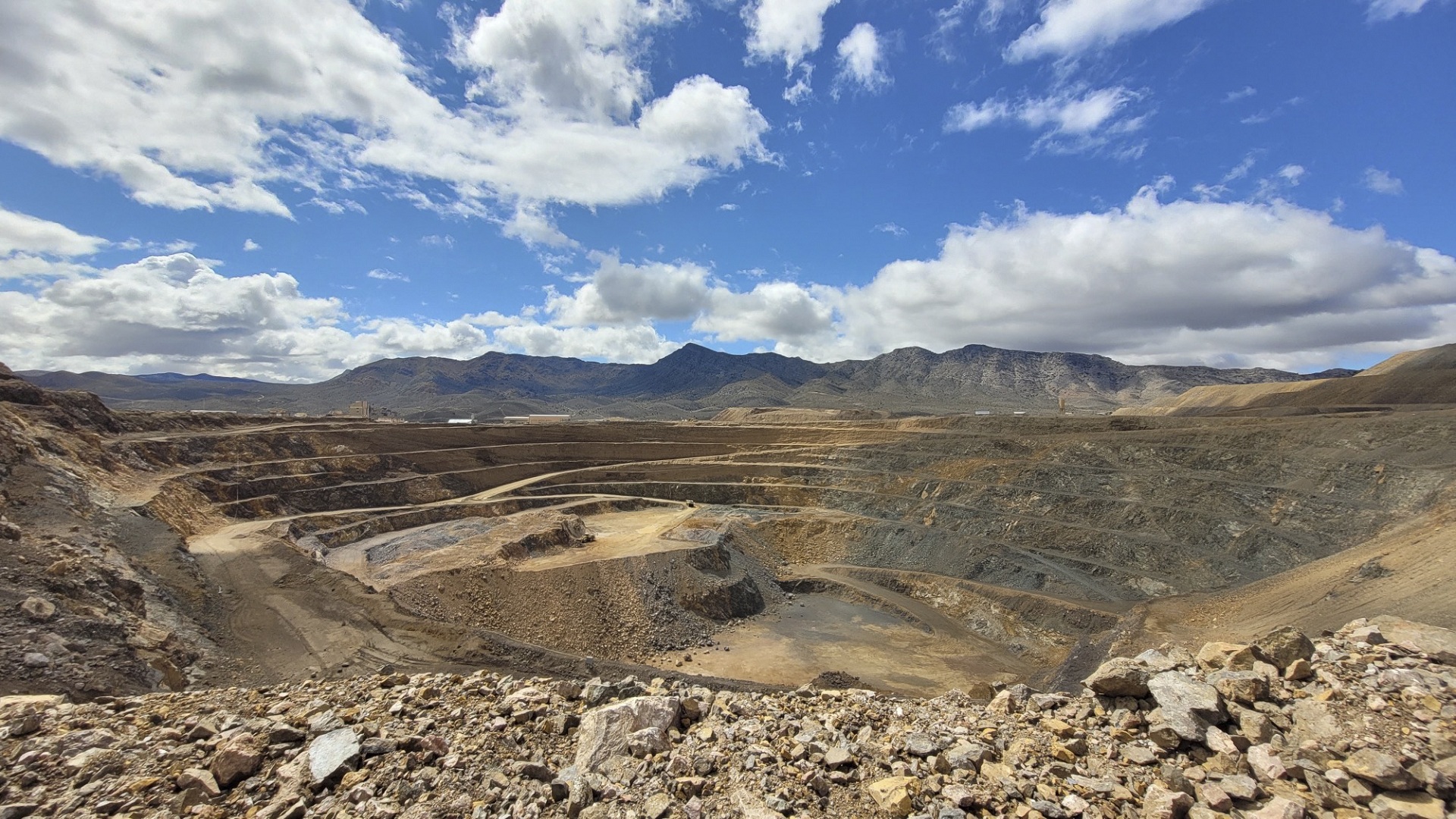
The United States holds approximately 1.9 million metric tons of rare earth reserves, making it the seventh-largest holder globally. The primary source is the Mountain Pass mine in California, which has been operational since the 1950s.
Despite this, the U.S. remains heavily reliant on imports, particularly from China, for the processing of these materials into usable forms.
8. Greenland – 1.5 Million Metric Tons
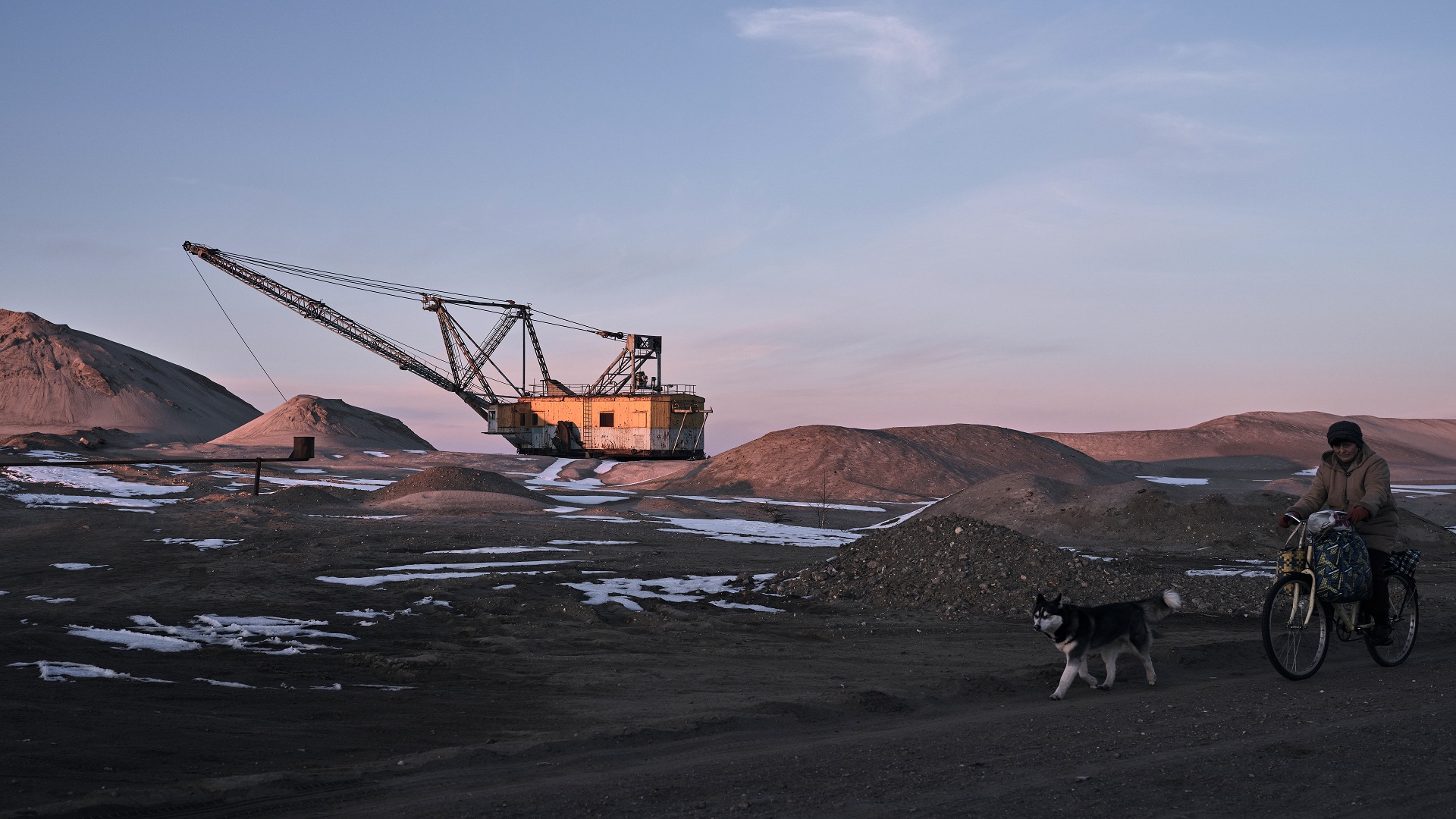
Greenland ranks eighth with nearly 1.5 million metric tons of rare earth reserves.
While mining activities are currently limited, the country’s substantial reserves present potential for future development.
9. Tanzania – 890,000 Metric To
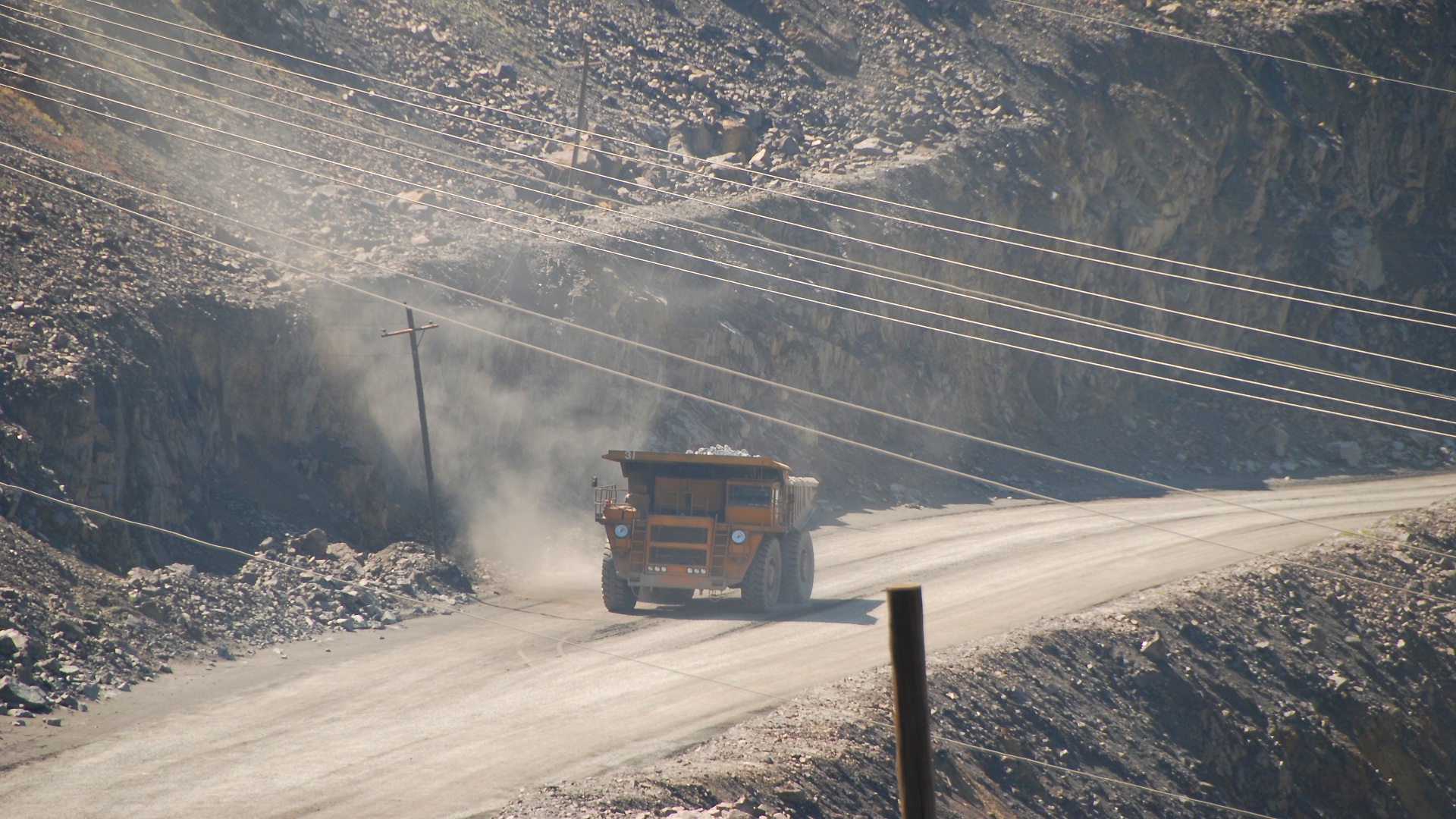
Tanzania holds nearly 890,000 metric tons of rare earth reserves. Mining activities are in the early stages, but the country’s reserves offer significant potential for future exploitation.
10. South Africa – 860,000 Metric Tons

South Africa holds approximately 860,000 metric tons of rare earth reserves. While the country has significant deposits, production remains limited.
Efforts are underway to explore and develop these resources to meet growing global demand.
Source: Interesting Engineering
‘Time capsules’: 292-mile-deep diamonds reveal hidden chemistry in Earth’s mantle
Rare earth goldmine: Top 10 nations controlling critical metals for global tech