Australia to turn abandoned mine into air energy hub, powering 80,000 homes
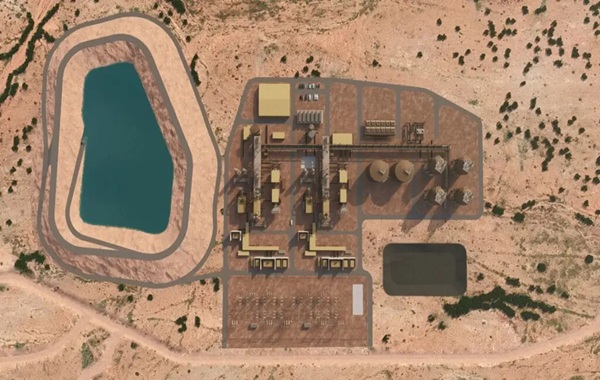
A $638 million renewable energy initiative has received approval in outback New South Wales. The Silver City Energy Storage Centre, spearheaded by Canadian firm Hydrostor, represents a pioneering application of underground compressed air energy storage (CAES) technology.
Positioned near Broken Hill, this facility is designed to supply backup electricity for approximately 80,000 homes during peak consumption periods.
According to NSW Planning and Public Spaces Minister Paul Scully, the project is a significant step toward enhancing energy security while maintaining environmental sustainability.
Scully described the project as “a really innovative approach to tackling a problem … while maintaining and providing energy security.” The facility aims to prevent blackouts like the one that impacted the region in October last year.
He explained that during times of low energy demand, surplus electricity will be used to compress air and store it in large underground chambers. When demand increases, the stored air will be released, heated, and expanded through turbines to generate electricity, making the facility both a storage and generation project.
Hydrostor anticipates commencing construction later this year, with a projected timeline of three to four years for completion.
Technical overview of the CAES system
The underground storage system operates through a sophisticated sequence of processes designed to capture and release energy efficiently. During periods of surplus electricity, a compressor pressurizes air, generating heat as a byproduct. This heat is then extracted and stored for later use through a thermal management system.
The pressurized air is injected into a specially constructed, water-filled cavern for containment. As the air is forced in, it displaces water, pushing it up a vertical shaft into a surface reservoir. This maintains equilibrium within the system.
When electricity demand rises, the stored air is released and reheated using the previously captured thermal energy. The expansion of this heated air through turbines drives the generation of electricity, feeding power back into the grid.
This large-scale, long-duration energy storage facility is poised to reinforce the reliability of the NSW electricity grid while supporting Australia’s transition to renewable energy sources.
Economic and employment impact
The project is expected to generate 250 to 400 jobs annually during its construction phase. As reported by the Australian Broadcasting Corporation, Broken Hill Mayor Tom Kennedy emphasized the importance of this development for the region’s economic growth.
“This is an exciting day for Broken Hill,” Kennedy remarked. “It will inject significant income into the city while fostering population growth.”
Broken Hill has experienced a steady population decline since its mining boom in the 1960s, when it peaked at 35,000 residents. By the 2021 Census, the population had dropped to 17,588. Kennedy expressed optimism that this project would help reverse the trend.
“With an influx of new workers and three years of 250 to 400 people employed, we create the conditions necessary for additional mining projects to launch,” he said. “Ideally, this will push our population well beyond 20,000 in the coming years.”
Upon project completion, the storage facility will provide 26 permanent operational positions. The NSW government has granted Hydrostor a 65-year lease on the crown land site.
With construction commencing soon, the Silver City Energy Storage Centre represents a major innovation in sustainable energy infrastructure.
Source: Interesting Engineering
New state of matter powers Microsoft quantum computing chip
Australia to turn abandoned mine into air energy hub, powering 80,000 homes