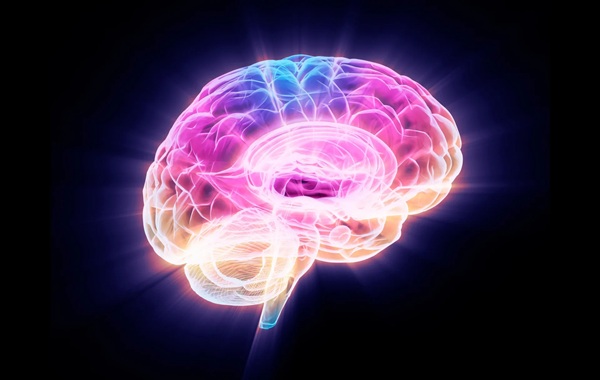
The Brain’s Reset Button: Scientists Discover How to Rejuvenate Aging Nerve Cells
For decades, the gradual decline of the human brain was considered an irreversible one-way street. As we age, our neural stem cells—the microscopic factories responsible for memory and learning—simply run out of steam, leading to the cognitive fog we associate with getting older.
However, a groundbreaking study from the National University of Singapore has just identified a biological “master key” that could restart these stalled engines. It turns out that aging isn’t necessarily a broken machine; it’s just a machine that has lost its operator.
The Ghost in the Machine: Why Brains Stop Growing
The human brain stays sharp by generating new neurons, but this process relies on neural stem cells. In a young brain, these cells are prolific; in an aging brain, they fall into a state of permanent exhaustion.
The research team, led by Assistant Professor Ong Sek Tong Derrick, discovered that the culprit behind this exhaustion is the disappearance of a specific transcription factor. Think of this protein as the foreman of a construction site; without it, the blueprints for new brain cells stay locked in a drawer, and no new work gets done.
Reversing the Clock: Unlocking the DNA
The most electrifying part of the study? It’s reversible. When the researchers restored the levels of this specific protein in aged neural stem cells, something miraculous happened: the cells woke up. They regained their youthful ability to multiply and regenerate.
The team mapped this process and found that the protein acts like a molecular “wrench” that:
Targets helper genes to physically “loosen” the tightly packed, rusted DNA of old cells.
Triggers the growth-related instructions necessary for brain renewal.
Bypasses the damage caused by “shortened telomeres” (the protective caps on our DNA that fray as we age).
From the Lab to Longevity: What This Means for the Future
While the study is currently in its early stages, the implications for human health are massive. This isn’t just about living longer; it’s about cognitive longevity. We are moving closer to a future where “old age” doesn’t have to mean “memory loss.”
The team is now moving toward the ultimate goal: identifying small molecules—potentially in pill form—that can safely boost this protein’s activity in humans. If successful, we could eventually treat cognitive decline not just by managing symptoms, but by physically rejuvenating the brain’s cellular hardware.
The Verdict
The discovery proves that our brain’s capacity for renewal doesn’t vanish; it just goes into a deep sleep. By finding the right biological “alarm clock,” science may have finally found a way to keep the lights on in the human brain, regardless of how many candles are on the birthday cake.
Source: Science Daily
Beyond the Laws of Physics: The Defiant Sprint of the Human Sperm
The Brain’s Reset Button: Scientists Discover How to Rejuvenate Aging Nerve Cells