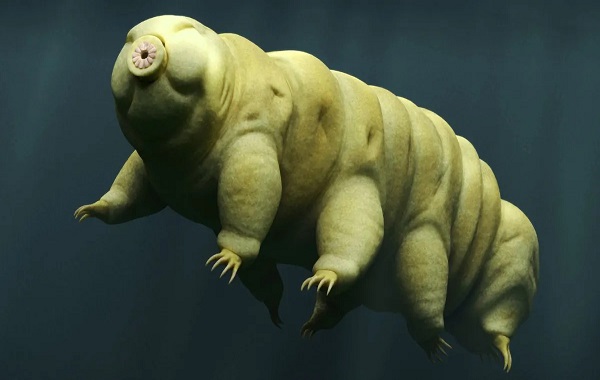
Tardigrade protein can keep medicines stabilized without refrigeration
The tiny tardigrades, which measure less than half a millimeter in length, are frequently referred to as scientific marvels.
They can withstand harsh conditions such as freezing cold or super hot temperatures; they can survive without water, thrive in outer space, and can combat harmful radiation. These critters do, in fact, have a survival superpower.
It turns out scientists can tap into their superpower, which could help save medicines in unsuitable conditions and places.
Understanding tardigrade’s survival skill
Scientists have delved into understanding how tardigrades survive frigid conditions, which could pave the way for medicines to be stabilized without refrigeration. This study is led by scientists from the University of Wyoming.
These microscopic creatures, also known as water bears, survive by producing trehalose (sugar) and CAHS D (protein). They do so through a process called anhydrobiosis — meaning life without water in Greek.
For this, the team fine-tuned the biophysical properties of CAHS D and trehalose in order to stabilize Factor VIII. Factor VIII is a critical protein in human blood clotting.
The results demonstrated that FVIII could remain stable in its treated form for up to ten weeks. It survived in the absence of refrigeration, dehydration/rehydration, dry storage, and even heat.
“Our work provides a proof of principle that we can stabilize Factor VIII, and likely many other pharmaceuticals, in a stable, dry state at room or even elevated temperatures using proteins from tardigrades — and, thus, provide critical life-saving medicine to everyone everywhere,” said Thomas Boothby, assistant professor of molecular biology, in a press release.
Medicines require cold storage
Biologics, which include vaccines, antibodies, stem cells, blood, and other blood products, require cold temperatures to prevent heat from breaking down and destroying the protein.
Among these is factor VIII (FVIII), which has a significant pharmaceutical application and is heavily reliant on cold-chain infrastructure. It is used to treat genetic diseases such as hemophilia A and individuals who have experienced physical trauma and bleeding.
“In underdeveloped regions, during natural disasters, during space flight or on the battlefield, access to refrigerators and freezers, as well as ample electricity to run this infrastructure, can be in short supply. This often means that people who need access to Factor VIII do not get it,” said Boothby.
This method is also considered “logistically simple and economically viable” for preserving medicines. The details have been published in the journal Scientific Reports.
Source: Interesting Engineering
Nanoplastics Interfere With Developing Chicken Embryos in Terrifying Ways
Nanoplastics Interfere With Developing Chicken Embryos in Terrifying Ways
Tardigrade protein can keep medicines stabilized without refrigeration