Scientists Unveil Mosquitoes’ Infrared Tracking of Humans
There’s something irresistible about humans to mosquitoes. Beyond our scent and breath, our exposed skin acts like a beacon, signaling that we’re easy prey.
Infrared Sensing: Mosquitoes’ Secret Weapon for Hunting
Mosquitoes use infrared sensors in their antennae to track their hosts, a recent study revealed. This discovery adds to the known factors, such as CO2 in our breath and body odors, that guide mosquitoes in their search.
The Deadly Impact of Mosquito-Borne Diseases
In various parts of the world, mosquito bites pose more than a mere annoyance. Diseases like dengue, yellow fever, and Zika virus are spread by mosquito bites. Malaria, transmitted by the Anopheles gambiae mosquito, caused over 600,000 deaths in 2022, according to the World Health Organization.
Can Infrared Sensing be the Key to Avoiding Mosquito Bites?
Scientists are eager to find ways to combat mosquito bites, which spread these life-threatening diseases. A team led by researchers at the University of California Santa Barbara (UCSB) discovered that mosquitoes use infrared detection in combination with other cues to home in on their prey.
Why Are Mosquitoes So Good at Finding Humans?
“The mosquito we study, Aedes aegypti, is exceptionally skilled at finding human hosts,” says UCSB molecular biologist Nicholas Debeaubien. These mosquitoes rely on more than vision and scent—especially when their prey is moving or the wind interferes with odors.
Infrared, CO2, and Odors: The Perfect Combination for Bloodthirsty Mosquitoes
To test the theory, researchers created experiments using thermoelectric plates that mimicked human skin temperature, CO2 levels similar to human breath, and human odors. When these elements were presented together, mosquito activity doubled, proving that infrared helps mosquitoes detect humans.
Antennal Infrared Sensors: The Key to Mosquitoes’ Accuracy
The infrared sensors are located in the mosquitoes’ antennae, where a temperature-sensitive protein known as TRPA1 is present. When researchers disabled this protein, mosquitoes could no longer detect infrared, confirming the role of TRPA1 in their ability to track warm-blooded hosts.
Better Protection Against Mosquito Bites on the Horizon?
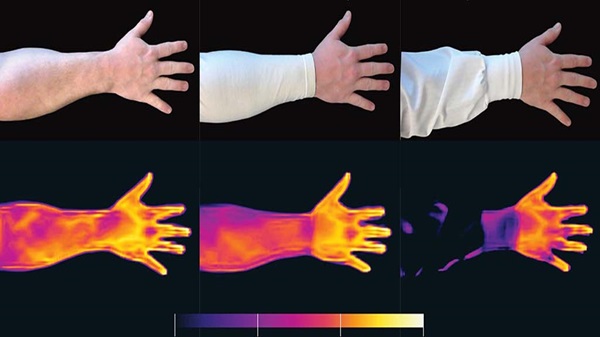
These findings suggest that mosquitoes prefer exposed skin because it radiates infrared, making loose clothing an effective defense. This research could pave the way for innovative solutions to prevent mosquito-borne diseases, such as creating traps that mimic human skin temperature to lure mosquitoes.
Conclusion: Advancing Mosquito Control Research
“Despite their small size, mosquitoes are responsible for more human deaths than any other animal,” says DeBeaubien. Understanding their methods of locating humans opens doors to better control methods and reducing the spread of dangerous diseases.
Source: Scientists Unveil Mosquitoes’ Infrared Tracking of Humans