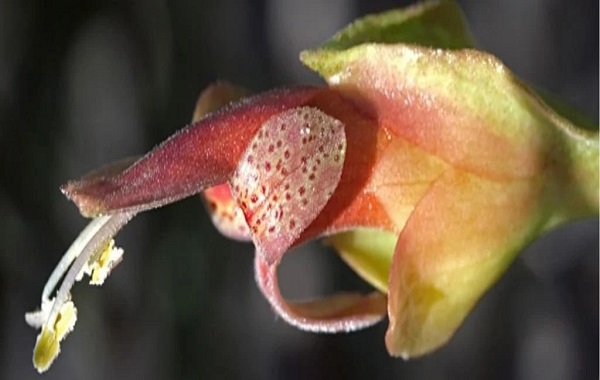
Plants Used by The First Australians Seem to Stop Cancer Cells Rejecting Treatment
The sticky leaves of a native Australian shrub, used by the nation’s First Peoples as medicine, have been found to contain compounds that could possibly assist with cancer treatment.
For thousands of years, the resin from this Australian family of flowering plants, whose name translates to ‘desert loving’, has been used by Aboriginal people in smoking ceremonies designed to boost health or as a poultice for skin conditions.
But only recently have we had the tools to study these plants on a biochemical level in order to learn more about their curative secrets. Today, drug resistance developing in tumors is a major obstacle for cancer treatments such as chemotherapy, and so, much like antibiotics, researchers are being forced to search more broadly for new medical avenues.
“We already have products that inhibit the efflux pump,” explains botanist Dan Stærk from the University of Copenhagen.
“But they do not work optimally, because they are not specific enough and can have lots of side effects.”
Flavonoids are a type of plant compound that have been shown to inhibit transporter proteins that pump medicine out of the cell. These compounds are also generally non-toxic, possess high chemical diversity, and hold promising bioactivity, which makes them valuable for clinical use.
In the past, other Eremophila species have been found to contain flavonoids that inhibit efflux pump activity. Some of these plants also show antidiabetic, antiviral, antibacterial, and anti-inflammatory properties.
Yet research on this family as a whole has barely scratched the surface.
Putting E. galeata to the test, researchers found resin from this one species was able to significantly increase the effect of chemotherapy on HT29 colon cancer cells. A dye accumulation test suggests the resin’s flavonoids blocked the large number of efflux pumps found in these cancer cells.
“Interestingly, antibiotic-resistant bacteria, for example, appear to produce large amounts of almost identical efflux pumps, which has made them extremely good at pumping the antibiotics out of the cells,” says botanist Malene Petersen from the University of Copenhagen.
Using indigenous knowledge to pinpoint promising medicines, however, comes with some serious ethical considerations.
In the future, drug research will necessarily require further exploration of human knowledge, much of which has historically been ignored by western drug research. Yet, there’s no guarantee the traditional cultivators of these plants will be fairly compensated or credited.
The authors of the current study ask that if anyone uses the information provided to make a commercial product, they “strongly consider benefit sharing with the Aboriginal communities or groups in the areas where these species grow”.
But without firm policies protecting this ancient knowledge, there’s no guarantee of that happening.
What’s more, as indigenous languages fade out of use, we stand to lose crucial medicinal information that might point drug researchers in the right direction.
Collaboration is clearly needed, but the route forward remains uncharted territory.
Source: Science Alert
Tiny Shape-Shifting Microrobots Can Locate Cancer Cells. With Magnets?
Plants Used by The First Australians Seem to Stop Cancer Cells Rejecting Treatment