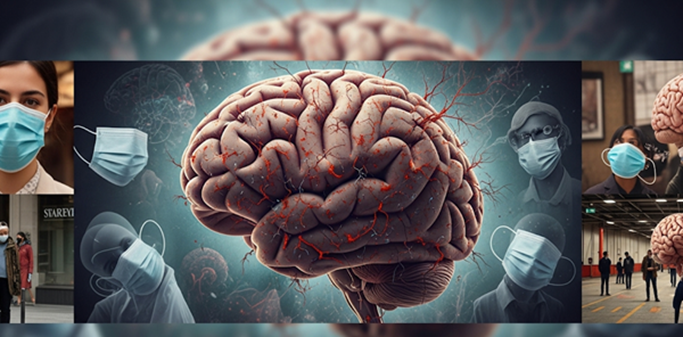
Did the Stress of COVID‑19 Accelerate Your Brain’s Aging?
Accelerated Brain Aging During the COVID‑19 Pandemic: A Hidden Consequence
The devastation of the COVID‑19 pandemic may have left a significant mark on our brains—even if we never tested positive. Neurologists at the University of Nottingham leveraged an AI‑powered aging model on more than 15,000 UK Biobank scans. When they compared scans taken before 2020 to those taken during the pandemic, they discovered that on average, human brains aged five and a half months faster between 2020 and 2021 than they did in preceding years.
AI‑Powered Brain Age Detection: Uncovering Subtle Changes
Researchers trained a machine‑learning algorithm to recognize patterns of healthy brain aging. Then they ran it on two cohorts: one scanned solely before the pandemic, and another scanned both before and during. “I was most surprised that even people who never contracted COVID‑19 showed accelerated aging rates,” says Dr. Ali‑Reza Mohammadi‑Nejad, who led the study.
The Pandemic’s Hidden Impact on Brain Health: Stress, Isolation, Uncertainty
What factors drove this rapid brain aging? The team suggests that social isolation, financial worries, sleep disturbances, and heightened anxiety all played a part. Moreover, previous work has shown that chronic stress and loneliness can physically reshape our neural connections—so it’s hardly shocking that a global crisis would leave a mark.
Reversibility of Pandemic‑Induced Brain Changes: Hope on the Horizon?
Perhaps the most encouraging finding is that these structural shifts may not be permanent. Since the study analyzed only two time points, we don’t yet know whether brains rebound once stressors subside. “We can’t yet test whether these changes reverse,” cautions Dr. Dorothee Auer, co‑author of the paper, “but the possibility of recovery is certainly motivating.” Could targeted interventions—like social support programs or stress‑reduction therapies—help our brains heal?
Cognitive Function vs. Structural Change: What Really Matters?
Importantly, the only participants who showed measurable declines in thinking skills were those directly infected with SARS‑CoV‑2. So structural aging didn’t necessarily translate into cognitive decline for most people. This raises a critical question: How closely do MRI‑detected aging markers predict real‑world mental performance?
Adolescent Brain Vulnerabilities: Teenagers Hit Hardest
Initial research found teenagers experienced particularly pronounced cortical thinning—especially young girls—following 2020. Their brains resembled those of adolescents exposed to violence, neglect, or family turmoil. Could the disruption of school, social networks, and routines have accelerated maturation in ways that carry long‑term risks?
Gender and Socioeconomic Disparities in Brain Aging
Among adults, male brains showed greater vulnerability across both gray and white matter changes, while older adults and those facing economic hardship also exhibited marked acceleration. Given that poverty and social isolation independently accelerate brain aging, what compounding effects did the pandemic inflict on already disadvantaged communities?
Why Brain Health Depends on Our Everyday Environment
Sweeping, long‑term brain‑scan studies give invaluable clues about how major life events—parenthood, menopause, or pandemics—shape our neural architecture. Yet without detailed follow‑ups, we can’t pinpoint the exact mechanisms driving these changes. Are lifestyle factors, inflammatory processes, or simply chronic stress at play?
Looking Ahead: Protecting Our Brains After Crises
This study underscores that brain health extends far beyond infection—it reflects our social, emotional, and financial environments. As we prepare for future global challenges, we must ask: How can public policy, mental‑health support, and community programs bolster resilience and safeguard our neural well‑being?
“The pandemic put a strain on people’s lives, especially those already facing disadvantage,” concludes Auer. It’s clear that, moving forward, we must view brain health not only as a medical concern but as a societal one—because the echoes of global crises may linger in our minds long after the headlines fade.
Source: Did the Stress of COVID‑19 Accelerate Your Brain’s Aging?