Did Humans Leave Africa Earlier Than We Thought? 1.8 Million-Year-Old Jawbone Found in Georgia
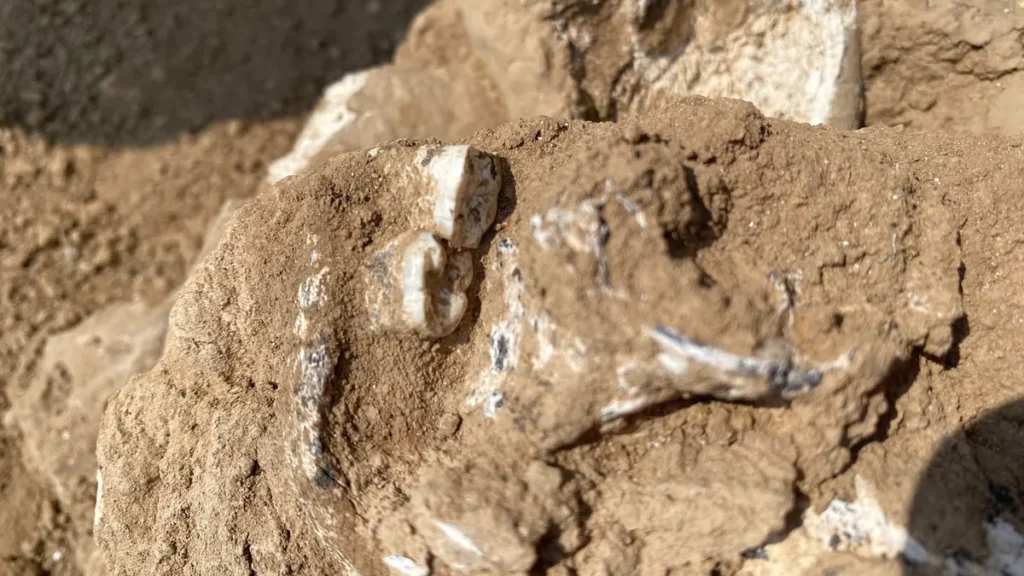
In the rolling hills of Georgia, archaeologists have uncovered a jaw-dropping find: a 1.8 million-year-old human jawbone. The fossil, discovered at the Orozmani site just 62 miles southwest of Tbilisi, may represent one of the oldest traces of early humans outside Africa. Could this ancient mandible help unravel the mysteries of our earliest migrations across Eurasia?
Orozmani: A Fossil Treasure Trove in the Caucasus
The Orozmani site, no bigger than two parking spaces, has proven to be a prehistoric goldmine. Over the past few years, archaeologists have unearthed not only human remains but also the bones of saber-toothed tigers, elephants, wolves, deer, and even giraffes. Alongside these fossils, stone tools reveal the daily survival strategies of Homo erectus — the hunter-gatherer species that first left Africa nearly two million years ago.
Why the Oldest Human Jawbone Outside Africa Matters
Experts believe this discovery could reshape our understanding of human dispersal. “The study of early human and fossil animal remains from Orozmani will allow us to determine the lifestyle of the first colonizers of Eurasia,” explained Giorgi Bidzinashvili, professor of Stone Age archaeology at Ilia State University. If so, what clues might this ancient jawbone hold about diet, climate, and survival strategies during a pivotal chapter of human history?
Linking Orozmani to Dmanisi: A Window Into Early Homo Erectus
The jawbone discovery follows the 2022 find of an early human tooth in the same area. Nearby, at Dmanisi, scientists had already uncovered 1.8-million-year-old skulls — fossils that challenged long-held beliefs about human origins. Together, these sites suggest that the Caucasus was not just a stopover but a key region in the story of human expansion beyond Africa.
More Than Bones: What Animal Fossils Reveal About Early Humans
The animal remains found beside the jawbone tell their own story. Large predators like saber-toothed tigers hint at the dangers early humans faced. Herbivores such as deer and giraffes point to the rich ecosystems Homo erectus exploited for survival. Could the combination of these finds provide the most complete picture yet of what life looked like on the edge of human prehistory?
Digging Into the Future of Human Origins Research
Archaeologists return to Orozmani year after year, uncovering new remains that deepen the mystery. For young researchers like Miles Alexandre, a recent anthropology graduate from the University of Rhode Island, every day at the site offers a new piece of the puzzle. “On my second day, I found a nice little ankle bone,” he shared — a reminder that history can emerge from the ground in the most unexpected ways.
A Jaw-Dropping Question for Humanity
As scientists piece together fragments of Homo erectus life, the jawbone from Orozmani forces us to ask: How much earlier — and how much farther — did our ancestors spread than we ever imagined?
Source: Did Humans Leave Africa Earlier Than We Thought? 1.8 Million-Year-Old Jawbone Found in Georgia
Are Archaeological Dates Wrong About the World’s Oldest Living Culture?
Are Archaeological Dates Wrong About the World’s Oldest Living Culture?