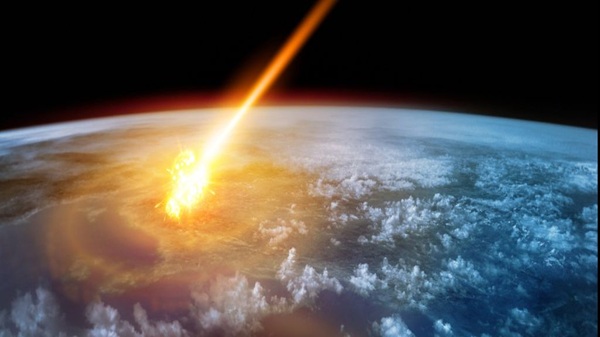
Did an asteroid impact create Earth’s first continents a billion years ago?
A Crater Over a Billion Years Older Than Any Other
In a groundbreaking discovery, scientists have identified the oldest known meteorite impact crater on Earth, located in the Pilbara region of Western Australia. Dating back more than 3.5 billion years, this crater predates the next oldest known crater by over a billion years. This remarkable find, published today in Nature Communications, supports a compelling new theory about the birth of Earth’s first continents.
The Origins of Earth’s Oldest Rocks: A Geological Mystery
The oldest rocks on Earth, exceeding 3 billion years in age, form the foundational cores of most modern continents. Yet, geologists remain divided on how and why these ancient landmasses first formed. Two leading theories propose:
The rise of hot plumes from Earth’s molten metallic core, similar to a lava lamp effect.
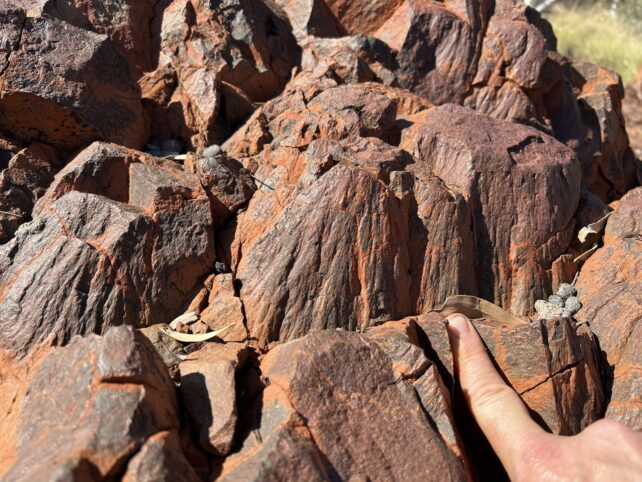
Plate tectonic activity where rock collisions push material above and below the surface.
Both explanations center around Earth’s internal heat loss, but could an external force have played a crucial role?
A Bold Hypothesis: Did Meteorite Impacts Create Continents?
Years ago, researchers proposed a radical idea: the energy required to form early continental crust in the Pilbara region might have come from massive meteorite impacts. These collisions would have melted vast rock volumes, triggering volcanic activity that ultimately produced continental landmasses.
Previous evidence relied on zircon mineral analysis at a microscopic level. However, to convince skeptics, researchers needed something visible to the naked eye—something undeniable.
Hunting for Earth’s Oldest Impact Site: A Journey into the Pilbara
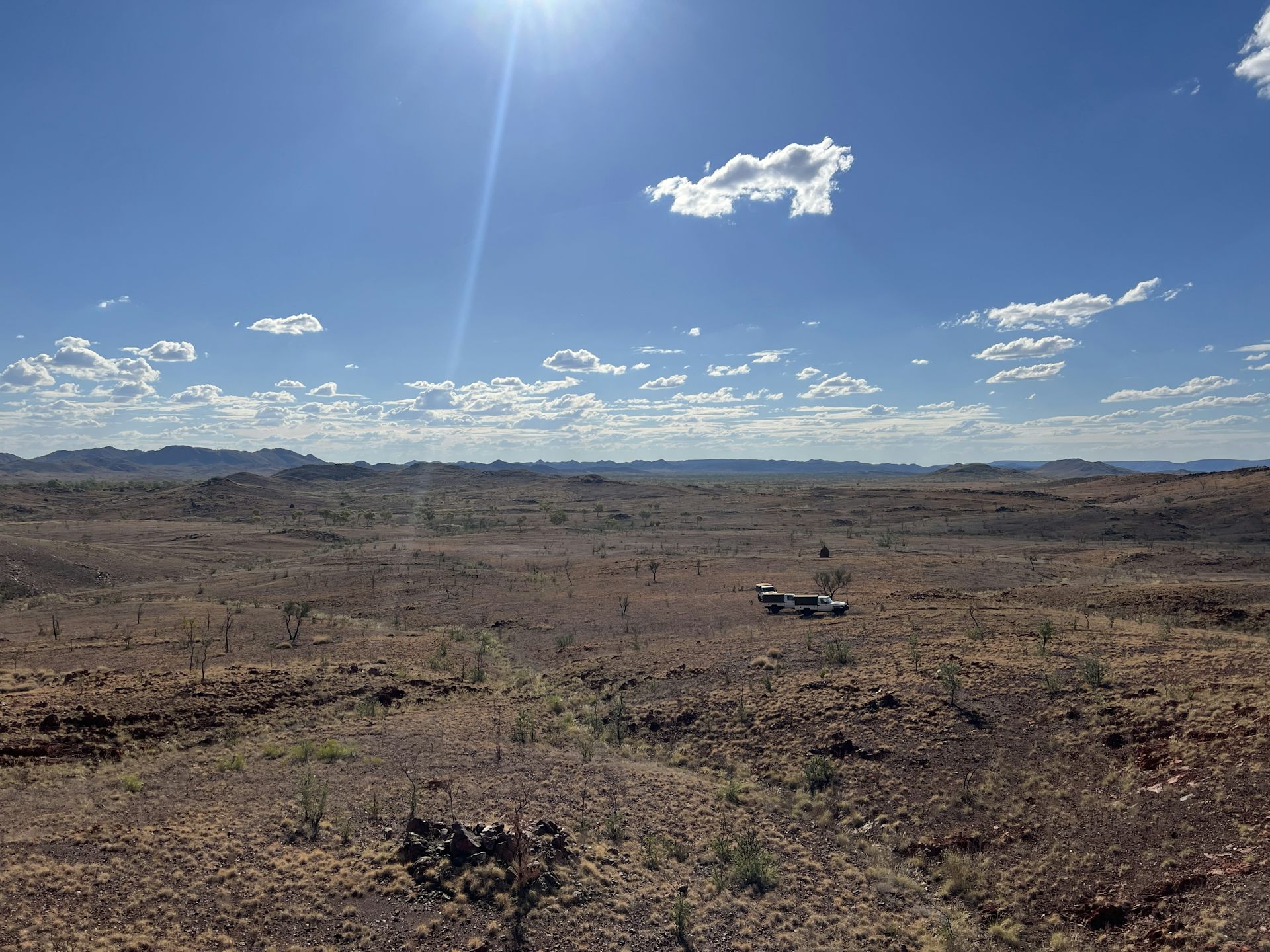
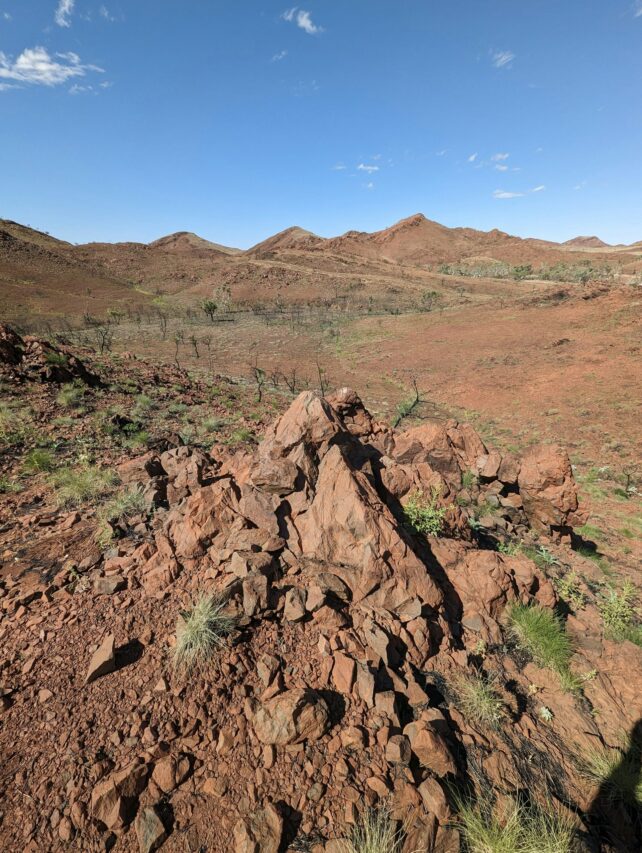
In May 2021, a team of geologists embarked on a field expedition to the Pilbara, armed with maps and aerial images pointing to an intriguing rock formation known as the Antarctic Creek Member. This thin rock layer, nestled between kilometers of dark basaltic lava, contained spherules—tiny droplets of molten rock ejected by ancient impacts. But where was the crater?
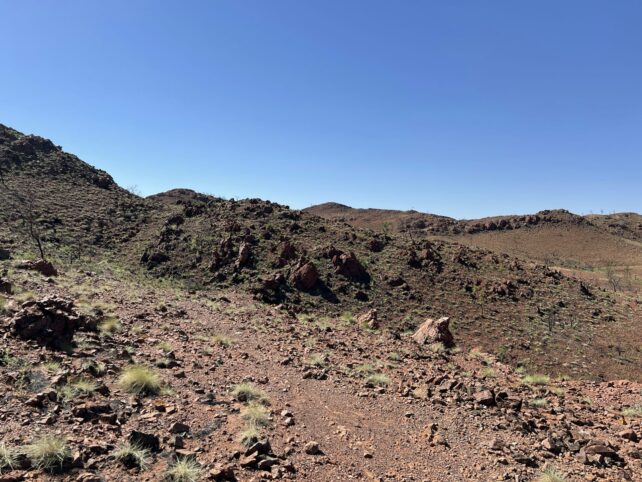
After arriving at the site, the team spread out, each hoping to find something significant. Within just an hour, they reconvened—and astonishingly, they had all noticed the same unmistakable feature: shatter cones.
The Defining Clue: Shatter Cones Reveal an Ancient Impact
Shatter cones are delicate, branching rock formations resembling badminton shuttlecocks. These structures only form under extreme pressure from a meteorite impact. Finding them meant the team was standing directly on the floor of an enormous, ancient crater—one possibly older than any other ever discovered.
Although time constraints forced the researchers to leave, they vowed to return. The crucial question remained: How old were these shatter cones?
Confirming the Oldest Crater: A Return to the Pilbara
In May 2024, the team returned for an extensive investigation. They traced shatter cone formations for hundreds of meters, confirming their widespread presence within the Antarctic Creek Member. Crucially, the basalt layer above the impact site showed no signs of shock, meaning the impact had occurred before the basalt formed.
Since the Antarctic Creek Member is known to be 3.5 billion years old, the impact must have happened at the same time—making this crater the oldest ever identified on Earth.
A New Perspective on Earth’s Formation—and the Origins of Life?
This discovery challenges long-held assumptions about Earth’s geological history. If massive meteorite impacts played a role in shaping continents, could they also have influenced the conditions necessary for life?
Meteorite impacts have shaped our Moon, other planets, and even asteroids. Now, with this groundbreaking evidence, scientists can test the idea that they also played a crucial role in Earth’s early evolution.
What Other Ancient Craters Remain Hidden?
How many more impact sites lie undiscovered beneath Earth’s oldest landmasses? Could these craters hold the missing pieces to understanding how life itself began? As researchers continue to explore Earth’s ancient terrain, these questions may soon find extraordinary answers.
One thing is certain: the Pilbara crater is just the beginning of a thrilling new chapter in Earth’s geological story.
Source: Did an asteroid impact create Earth’s first continents a billion years ago?
Tim Johnson, Professor, Geology, Curtin University; Chris Kirkland, Professor of Geochronology, Curtin University, and Jonas Kaempf, Research Associate, Geology, Curtin University