Chemistry professor plans 30,000 robot chefs who can cook 3-minute meals
In an era of rising operational costs and labor shortages, Hestia Technology Limited, founded in Hong Kong in 2018, aims to revolutionize the culinary world with its innovative robotic kitchen systems.
Hestia wants to automate restaurant operations to improve efficiency and accessibility while offering traditional Chinese and international foods.
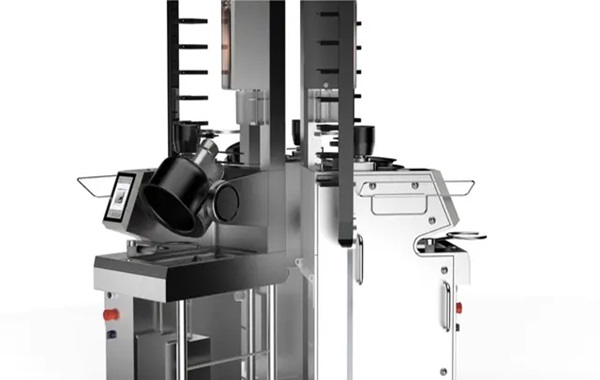
In its recently created fifth generation, robots in the company’s completely automated kitchen handle all aspects of cooking, including ingredient retrieval, preparation, serving, and cleanup, simplifying the process without requiring human involvement.
According to a Chinese news outlet, it aims to produce 30,000 units and generate $256 million (HK$2 billion) in revenue.
Automated kitchen
Hestia’s fully automated kitchen consists of several key components: a larder, a conveyor belt, and a multicooker. With these, the system can replace up to three chefs and prepare more than 200 dishes, including Chinese regional cuisines like Hunan and Sichuan and Italian fare.
The robots are designed to perform every task in the cooking process. After selecting a dish from the tablet, the robot retrieves pre-packed ingredients, adds oil and spices, stir-fries or sautés, thickens the sauce, and plates the meal.
Once the cooking is done, the robot automatically washes the equipment in under 15 seconds, ensuring that the next dish can be prepared promptly.
The secret to this efficiency lies in Hestia’s proprietary technology, which allows the system to control cooking times, temperatures, and ingredient quantities precisely.
This results in consistently high-quality dishes, regardless of the time of day or the number of orders being processed. Hestia robots can handle 60 dishes per hour, making them invaluable during busy service hours.
Furthering sustainability
Hestia’s robots aren’t just about efficiency—they’re designed with sustainability and cost-effectiveness in mind. In a traditional kitchen, inconsistencies in ingredient measurements, cooking times, and energy use can lead to waste and increased operational costs.
Source: Interesting Engineering
Paralyzed Man With World-First Brain Implant Can Feel His Dog’s Fur Again
Chemistry professor plans 30,000 robot chefs who can cook 3-minute meals