
400 ancient fossils dating back 470 million years found in France
Paleontologists exploring the southern region of France have stumbled upon an extraordinary fossil site preserved with the remains of ancient fauna.
The fossil-rich site has yielded over 400 astonishingly well-preserved remains dating back to 470 million years. This treasure trove site is located in the Montagne Noire mountain range in the Hérault department of France.
The site was first spotted by two amateur paleontologists, Eric Monceret and Sylvie Monceret-Goujon. They had been fossil aficionados since their twenties, and their knowledge led to the discovery of this location of “worldwide importance.”
The scientific team, led by researchers from the University of Lausanne in collaboration with other experts, meticulously examined this valuable site.
The findings offer valuable insights into the polar ecosystems of the Lower Ordovician period, providing a window into Earth’s ancient past.
According to the press release, the planet endured extreme global warming around 470 million years ago during the Lower Ordovician.
“At this time of intense global warming, animals were indeed living in high latitude refugia, escaping extreme equatorial temperatures,” said Farid Saleh, a researcher at the University of Lausanne, and first author of the study.
Fossils preserved with soft tissues
The site not only provides a sheer abundance of fossils but also the exceptional preservation of soft tissues within shelly components.
Features like digestive tracts and cuticles, which are seldom found in fossil records, have been discovered, giving scientists a unique peek into the anatomical features of ancient marine species.
What makes this discovery even more significant is that this biota, which was previously teeming with life, resided near the South Pole during the Ordovician period.
“When we came across this amazing biota, we understood the importance of the discovery and went from amazement to excitement,” said Sylvie Monceret-Goujon.
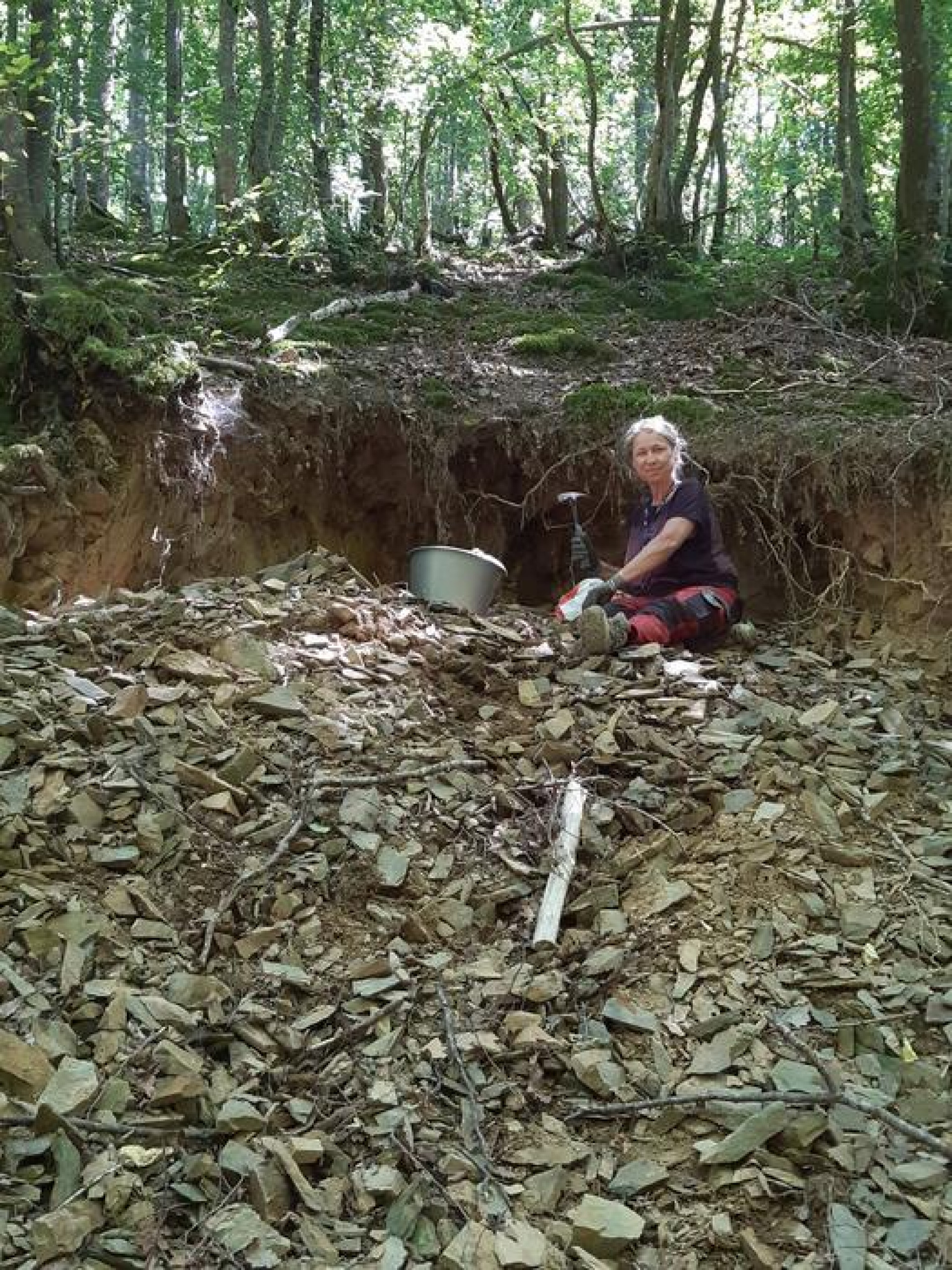
This sheds light on the diversity and dynamics of ecosystems in the southernmost regions during that era.
Detailed analyses of this newly uncovered biota have unveiled the presence of arthropods, a diverse group encompassing millipedes and shrimps, alongside cnidarians, which include jellyfish and corals.
The fossil site also has an abundance of algae and sponges. The remarkable richness found in this ancient ecosystem site shows that the location once functioned as a sanctuary for a variety of species, possibly escaping the high temperatures that prevailed further north during the same epoch.
“The distant past gives us a glimpse of our possible near future,” said Jonathan Antcliffe, a researcher at the University of Lausanne and co-author of the study, in the press release.
The findings provide light on the complex prehistoric ecosystems and suggest the presence of distinct environmental niches that played an important role in maintaining varied types of life.
Source: Interesting Engineering
400 ancient fossils dating back 470 million years found in France