

Will the James Webb Telescope Reveal Life in the Unlikeliest Places?
Are We Missing Alien Life by Focusing Too Much on Earth Twins?
Are we limiting our chances of discovering alien life by only searching for planets like Earth? A growing number of scientists believe so. In a groundbreaking review led by MIT’s renowned astrobiologist Sara Seager, researchers are calling for a dramatic expansion in how we search for life beyond our planet—one that embraces the staggering diversity of exoplanetary systems revealed over the past two decades.
The traditional focus on “Earth twins”—rocky planets orbiting Sun-like stars—is now seen as overly restrictive. Given how rare such systems are, clinging to this narrow model may blind us to life in far more unconventional environments.
Atmospheric Biosignatures and the Power of the James Webb Space Telescope
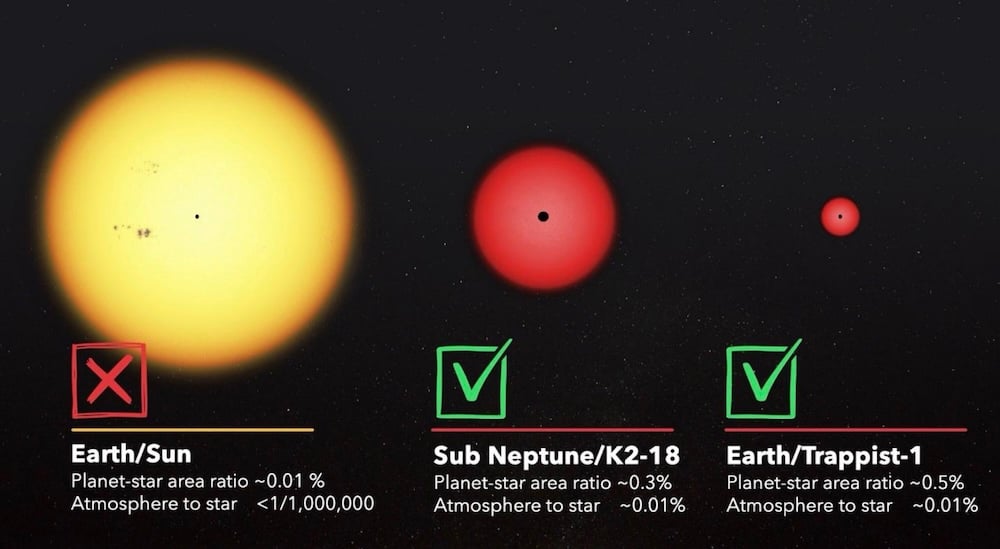
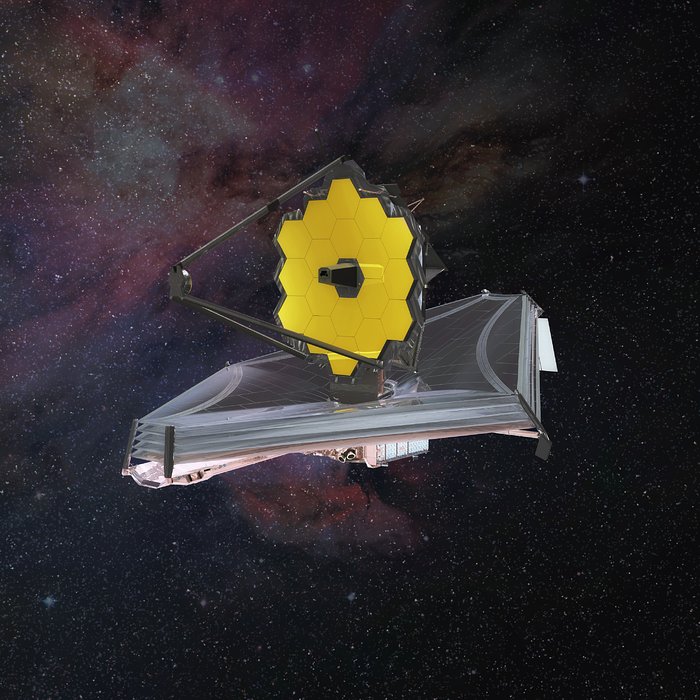
With the James Webb Space Telescope (JWST) now operational and analyzing the atmospheres of distant exoplanets, researchers are seizing the opportunity to explore new frontiers. The shift involves rethinking what a “biosignature” gas might look like. Instead of only targeting oxygen and ozone, Seager’s team advocates for a more inclusive, “all small molecule” approach—one that considers a broad spectrum of metabolic byproducts that life could potentially emit.
Why limit ourselves to Earth-like chemistry when Earth itself harbors life in so many extreme forms?
Lessons from Extremophiles: Life Adapts to the Unimaginable
Life on Earth is far more adaptable than once thought. From hydrogen-rich to carbon monoxide-dense environments, certain microbes known as extremophiles thrive in conditions long assumed to be sterile. These organisms, capable of surviving extreme pressure, acidity, or even radiation, challenge our assumptions about the basic conditions life requires.
Could alien life be hiding in what we’ve long dismissed as uninhabitable?
Cloud Biospheres: Could Life Float in Alien Atmospheres?
One of the most mind-bending ideas presented in the review is the potential for aerial lifeforms—organisms that never touch solid ground. In the thick, dynamic atmospheres of gas giants or super-Earths, floating “cloud biospheres” may exist, composed of life forms adapted to drift among dense clouds, absorbing nutrients and sunlight.

Is it possible that alien life exists not on the ground, but in the sky?
Alien Oceans and Exotic Solvents: Rethinking Life’s Chemistry
The researchers also consider environments where water may not be the dominant solvent. Ammonia, methane, or even hydrocarbons could serve as alternative life-sustaining liquids. In global ocean planets—entire worlds covered in deep, unbroken seas—life may thrive far from any rocky landmass.
Still, one key requirement appears non-negotiable: metal ions, essential for catalyzing life’s core biochemical reactions. Without contact with a rocky surface, how might life on these planets acquire metals? The answer may lie in meteoritic delivery, where micrometeorites supply trace elements to alien oceans from above.
Expanding the Search Criteria: From Earth Analogs to Bio-Chemical Possibilities
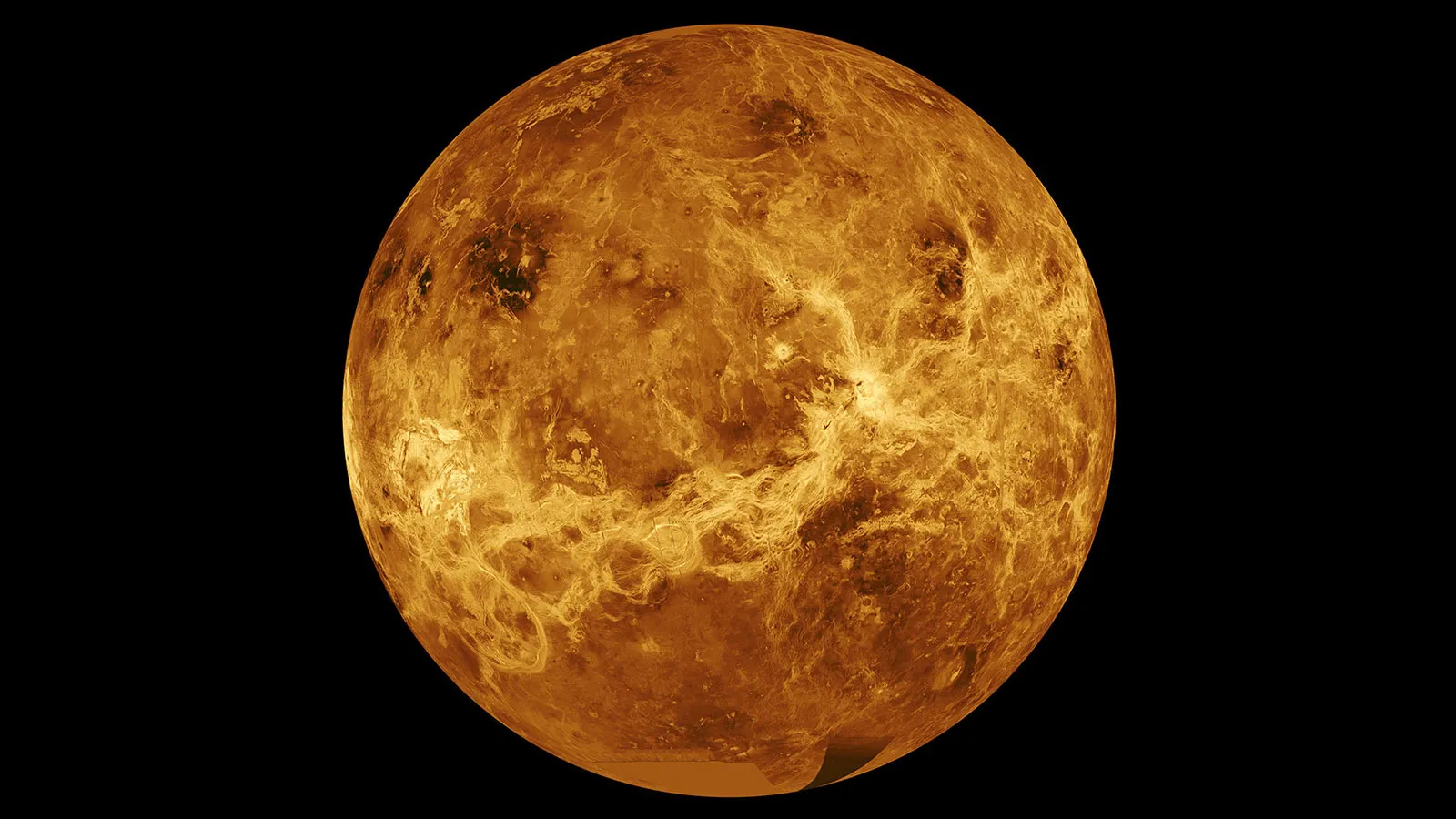
This expanding vision in astrobiology transforms the core question from “Is this planet like Earth?” to “Could any form of life exist here?” With over 5,000 exoplanets discovered—ranging from molten lava worlds to icy giants—the diversity demands a new scientific lens.
Should we redefine what “habitable” truly means?
From Curiosity to Discovery: The Next Leap in Astrobiology
As technology advances and our catalog of exoplanets grows, so too must our imagination. By building biosignature databases that span the full range of planetary chemistry, scientists increase the odds of making that historic discovery: proof that we are not alone.
Perhaps alien life won’t resemble anything we know. And perhaps the first signs of it won’t come from an Earth twin—but from a strange, cloud-covered planet we once overlooked.
Are we ready to recognize life when it doesn’t look like ours?
Source: Will the James Webb Telescope Reveal Life in the Unlikeliest Places?
Are Fast Radio Bursts the Key to Unlocking the Universe’s Hidden Matter?
Are Fast Radio Bursts the Key to Unlocking the Universe’s Hidden Matter?