Were Early Humans Making Advanced Tools 1.5 Million Years Ago?
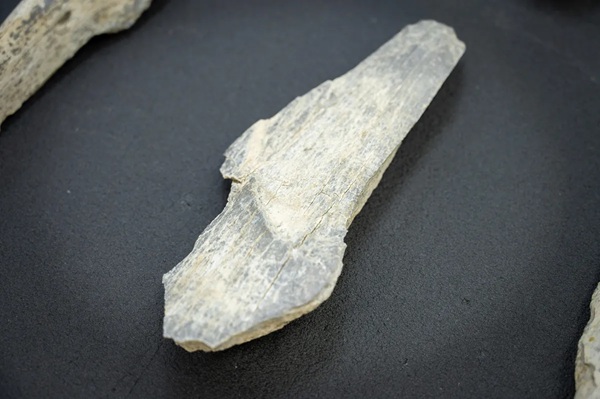
New research reveals that humans have been crafting bone tools far earlier than previously acknowledged. These tools, which were carefully manufactured, highlight a sophisticated level of technological understanding, offering a glimpse into early human culture and cognitive development.
Bone Tools: A Major Technological Leap 1.5 Million Years Ago
Contrary to previous beliefs, bone tools were not a late development in human evolution. The discovery of standardized bone tools in East Africa, specifically at Olduvai Gorge, pushes back the timeline of bone tool usage by over a million years. These tools, made from bones of large animals like hippopotamuses and elephants, show evidence of a consistent manufacturing process, suggesting cultural transmission rather than random opportunistic creation.
Acheulean Culture and the Integration of Bone Tools
The bone tools discovered at Olduvai Gorge were found alongside stone tools from the Acheulean culture, which marked a significant shift from earlier Oldowan technologies. The Acheulean tools, known for their advanced craftsmanship, were associated with early human ancestors who were already engaging in strategic tool-making behaviors. This discovery broadens our understanding of how technological and cultural advancements evolved much earlier than expected.
Bone Tools: Evidence of Cognitive Complexity and Behavioral Evolution
The crafting of bone tools indicates a leap in cognitive abilities, as early humans began to shape materials in ways that required planning and foresight. With standardized tools bearing consistent marks made by hammerstones, it is clear that early human ancestors had developed mental templates and artifact curation skills. This shift likely played a role in enhancing their overall behavioral repertoires, including the procurement of raw materials and the use of tools for various purposes beyond mere survival.
Animal Bones: A Resource for Early Toolmakers
The tools discovered at Olduvai Gorge were crafted from bones of large herbivores such as hippopotamuses, elephants, and even some cow relatives. These bones, particularly femurs, were prized for their shape, which was ideal for tool-making. The regular use of these animal bones highlights an important shift in the way early humans viewed animals—not only as a source of food and danger but also as valuable resources for tool production.
A Shift in the Understanding of Prehistoric Toolmaking

This groundbreaking discovery challenges previous assumptions about the origins of bone toolmaking. Previously, the oldest known bone tools were found in Europe and dated to much later periods. The new evidence from Tanzania suggests that such technological innovations may have developed in Africa much earlier than previously thought, providing new insight into the complexity of early human cultures before the emergence of Homo sapiens.
Implications for Human Evolution and Technological Innovation
The discovery of early standardized bone tools highlights a significant milestone in the evolution of human technology. This research not only pushes back the timeline for bone toolmaking but also reinforces the idea that early humans were far more technologically sophisticated than we once believed. These findings shed light on the cognitive and cultural evolution of our ancestors, illustrating their ability to innovate and adapt in a way that set them apart from other species.
In conclusion, the evidence of bone tools from 1.5 million years ago offers a profound understanding of early human technological and cultural advancements, reshaping our knowledge of prehistory. The discovery marks a pivotal moment in the story of human evolution, offering new perspectives on how early humans lived, adapted, and thrived.
Source: Were Early Humans Making Advanced Tools 1.5 Million Years Ago?
Ancient Europeans ate the brains of their dead enemies 18,000 years ago, researchers discover
Ancient Europeans ate the brains of their dead enemies 18,000 years ago, researchers discover