Venus vs. Mars: Are We Ignoring the Wrong Planet?
When it comes to exploring our planetary neighbors, Mars often steals the spotlight. It’s easier to explore due to its less hostile environment, and the prospect of discovering evidence of primitive life, past or present, is incredibly tantalizing. However, Venus deserves just as much attention—if not more. Studying Venus could provide crucial insights into our own planet’s future, particularly if we fail to combat the escalating threat of global warming. Recognizing its importance, a team of scientists has proposed an official Venus Exploration Program for NASA, akin to the robust Mars program.
Venus: Earth’s Twin or a Warning from the Future?
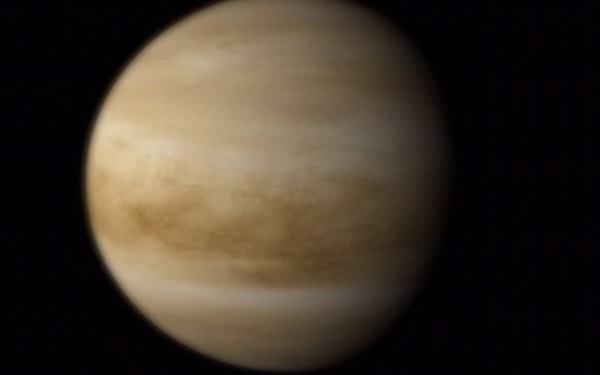
Venus, the second planet from the Sun, has often been dubbed “Earth’s twin” due to its similar size and composition. However, the resemblance ends there. Venus is an uninhabitable inferno with a thick carbon dioxide atmosphere that traps heat, causing surface temperatures to soar to nearly 500 degrees Celsius. Its surface is veiled by dense clouds of sulfuric acid, and its atmospheric pressure is 90 times greater than Earth’s. This is not a world for cosmic holidays, but it remains an extraordinary place to study.
Despite its extreme environment, Venus offers vital lessons about planetary evolution and climate change. Understanding Venus’ past may reveal how a once potentially habitable planet transformed into the hostile world we see today. Its study could serve as a cautionary tale, highlighting the consequences of unchecked greenhouse gas accumulation.
The Role of VEXAG in Venus Exploration
In response to a recommendation that NASA establish a Venus exploration strategy akin to its Mars efforts, the Venus Exploration Analysis Group (VEXAG) was created. VEXAG is a community-driven initiative composed of researchers, planners, and engineers dedicated to advancing Venus exploration. Their mission is to assess scientific objectives, identify technological requirements, and support mission planning to uncover Venus’ secrets.

VEXAG’s efforts have been guided by the selection of three pivotal missions:
VERITAS – An orbiter designed to uncover how Venus and Earth’s evolutionary paths diverged and why Venus lost its habitability.
DAVINCI – A mission focused on exploring whether Venus’s surface environment could once have been Earth-like.
EnVision – A project aimed at studying Venus’ atmosphere and its dynamic processes.
These missions represent critical steps toward addressing some of the most pressing questions about Venus.
Unanswered Questions About Venus
Venus remains shrouded in mystery, and several fundamental questions remain unanswered. These include:
How does Venus lose heat, given its thick atmosphere and extreme surface temperatures?
How geologically active is Venus today?
How has Venus’s atmosphere evolved over time, and what can it tell us about climate dynamics?
Answering these questions is essential to understanding the planet’s history and its implications for Earth’s future. VEXAG’s comprehensive strategy outlines the scientific, technological, and programmatic advances necessary to tackle these challenges.

The Path Forward: Additional Missions Needed
While VERITAS, DAVINCI, and EnVision are scheduled to launch in the early 2030s, the data they collect will only scratch the surface of Venus’s mysteries. The insights gained from these missions will take months, if not years, to analyze fully. To build a complete picture of Venus, additional missions and continued international collaboration are essential.
Organizations like NASA and its global partners must take the next step by developing a new, long-term Venus exploration strategy. This strategy should prioritize a balanced portfolio of orbital, surface, and atmospheric missions to address the planet’s many enigmas comprehensively.
Why Venus Matters: A Call to Action
Venus exploration is not just about understanding a neighboring planet; it is about learning from a world that might have once been like Earth but took a dramatically different evolutionary path. By studying Venus, we gain insights that could help us safeguard our planet’s future. The proposed Venus Exploration Program is a crucial step toward achieving this goal.
Let us not overlook the lessons Venus has to offer. It is time for the scientific community, governments, and space agencies worldwide to prioritize Venus exploration and uncover the secrets of this fascinating, cautionary world.
Source: Venus vs. Mars: Are We Ignoring the Wrong Planet?
Why Does Time Slow Down in Life-or-Death Moments?
Venus vs. Mars: Are We Ignoring the Wrong Planet?