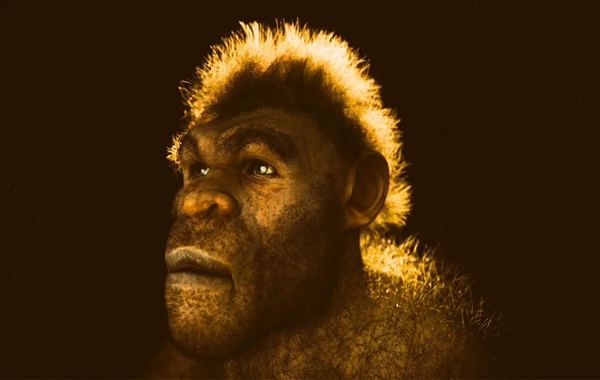
Neanderthal genes make you a morning person: Study
Suppose you are one of those people who love to wake up early and go to bed early. In that case, you may have inherited this trait from your Neanderthal ancestors, according to a new study published in the journal Genome Biology and Evolution.
The study, conducted by researchers from Oxford University Press, reveals that some genetic variants from Neanderthals may have influenced the circadian rhythms of modern humans, making them more adapted to the high-latitude environments of Eurasia.
Neanderthals and Denisovans
The origin of all anatomically modern humans can be traced back to Africa, around 300 thousand years ago. In Africa, many of their biological features were shaped by environmental factors.
Later, about seventy thousand years ago, the ancestors of modern Eurasian humans migrated out to Eurasia, where they were exposed to new and diverse environments, including higher latitudes with greater seasonal variation in daylight and temperature.
However, other hominins such as Neanderthals and Denisovans had already been living in Eurasia for over 400,000 years. These archaic hominins diverged from modern humans around 700,000 years ago, and as a consequence, our ancestors and archaic hominins evolved under different environmental conditions.
This led to the accumulation of genetic variation and phenotypes that were specific to each lineage. Later, when humans migrated to Eurasia, they interbred with the archaic hominins present on the continent, which created the possibility for humans to acquire genetic variants that were already adapted to the new environments
Earlier studies
While earlier studies have shown that much of the archaic hominin ancestry in modern humans was not advantageous and eradicated by natural selection, some of these variants that remain in human populations demonstrate evidence of adaptation. For instance, archaic genetic variants have been linked to variations in hemoglobin levels at higher altitudes in Tibetans, immune resistance to novel pathogens, levels of skin pigmentation, and fat composition.
Alterations in the pattern and degree of light exposure have biological and behavioral implications that can lead to evolutionary adaptations. Insects, plants, and fishes have been extensively studied to explore the evolution of circadian adaptation, but this area remains understudied in humans.
Studying the circadian genes
The researchers examined the differences in the circadian genes, which regulate the body’s internal clock and respond to changes in light and temperature. They identified 246 circadian genes and found hundreds of genetic variants specific to each lineage.
They also used artificial intelligence methods to pinpoint 28 circadian genes with variants that could alter gene expression in archaic hominins and 16 circadian genes likely regulated differently between modern and archaic humans. This suggested that the circadian clocks of Neanderthals and modern humans were not the same.
To test the effects of these genetic variants, the researchers analyzed data from the UK Biobank, a large health and genetic information database from half a million people.
Adjusting sleep patterns for survival in high-latitude regions
They found that many of the variants that came from Neanderthals were associated with sleep preference, and most notably, they increased the tendency to be a morning person.
This means that people with these variants are likelier to wake up and go to bed early than those without.
The researchers explain that this trait may have been beneficial for survival in high-latitude regions, where the daylight hours vary greatly throughout the year.
They say that being a morning person is linked to having a shortened circadian period, which is the time it takes for the body to complete one cycle of biological activities.
A shortened circadian period may help the body to adjust faster to the changing light and temperature cues, especially in the summer months when the days are longer.
This is similar to what has been observed in fruit flies, which have evolved shorter circadian periods to synchronize with the extended summer light periods of high latitudes.
The researchers also suggest that this trait may have been a Neanderthal characteristic worth preserving, as it could have given them an evolutionary advantage over other hominins.
They say that the bias toward morningness in the genetic variants of Neanderthals indicates that they were selected for having a shortened circadian period, which may have helped them cope with Eurasia’s harsh and variable environments.
The study sheds new light on the evolutionary history of modern humans and their interactions with the archaic hominins.
It also reveals how our genes can affect our behavior and lifestyle, even thousands of years after they were acquired. So, the next time you feel like hitting the snooze button, remember that you may have a Neanderthal to thank for that.
“By combining ancient DNA, large-scale genetic studies in modern humans, and artificial intelligence, we discovered substantial genetic differences in the circadian systems of Neanderthals and modern humans,” said the paper’s lead author, John A. Capra. “Then, by analyzing the bits of Neanderthal DNA that remain in modern human genomes, we discovered a striking trend: many of them have effects on the control of circadian genes in modern humans, and these effects are predominantly in a consistent direction of increasing propensity to be a morning person.
He adds, “This change is consistent with the effects of living at higher latitudes on the circadian clocks of animals and likely enables more rapid alignment of the circadian clock with changing seasonal light patterns. Our next steps include applying these analyses to more diverse modern human populations, exploring the effects of the Neanderthal variants we identified on the circadian clock in model systems, and applying similar analyses to other potentially adaptive traits.”
Source: Interesting Engineering
Closer look at the Menga dolmen shows it was one of the greatest engineering feats of the Neolithic
Neanderthal genes make you a morning person: Study/Neanderthal genes make you a morning person: Study