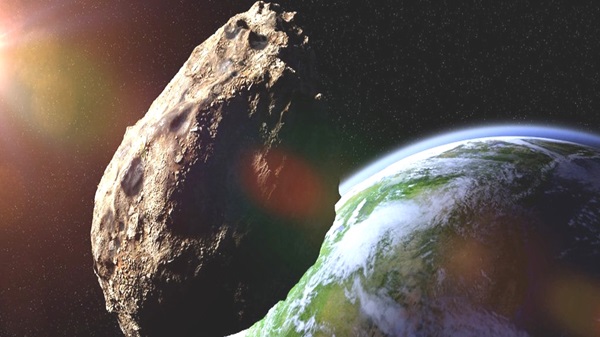
Can Scientists Prevent a Catastrophic Asteroid Impact?
Astrophysicist Reveals Key Facts About Asteroid 2024 YR4 and Its Potential Earth Collision
Discovery of Asteroid 2024 YR4: A Cosmic Wake-Up Call
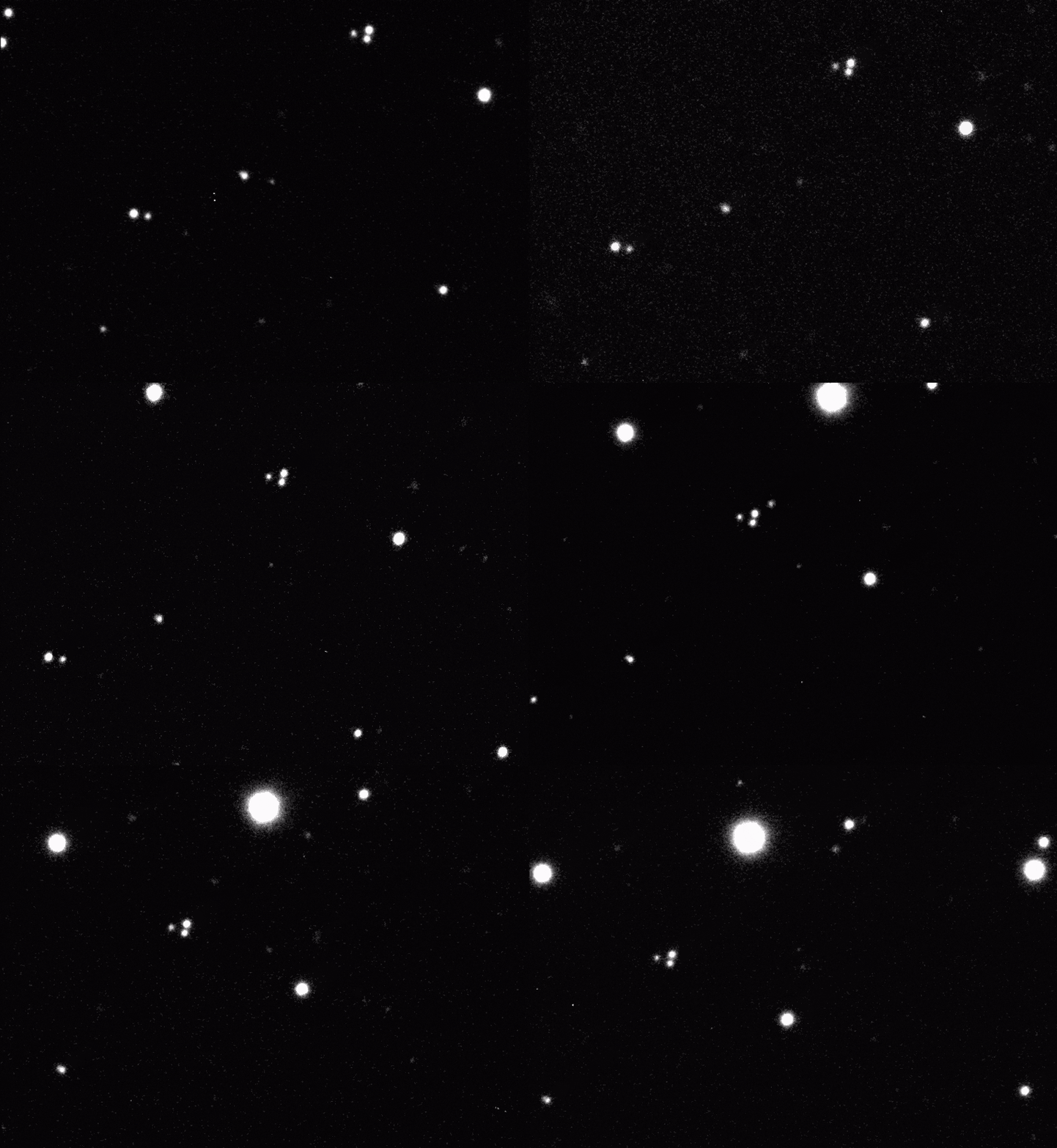
On December 27, 2024, astronomers using the ATLAS survey telescope in Chile identified a newly discovered asteroid, designated 2024 YR4. This small space rock was initially observed moving away from Earth, but follow-up studies revealed a concerning possibility: it might collide with our planet on December 22, 2032.
The discovery of asteroid 2024 YR4 underscores the reality of living on a planet perpetually exposed to cosmic debris. While the prospect of an asteroid impact sounds like the plot of a Hollywood blockbuster, experts emphasize that there is no immediate cause for panic. Instead, the discovery serves as a valuable reminder of the dynamic environment in which Earth resides.
Earth: A Target in the Celestial Shooting Gallery
As Earth orbits the Sun, it constantly encounters dust and debris left over from the formation of the Solar System. Meteors and fireballs streaking across the night sky are vivid reminders of this cosmic detritus. Fortunately, most of these particles are too small to pose a threat to life on Earth.
However, history has shown that larger objects can have devastating consequences. The most infamous example occurred 66 million years ago when a massive asteroid, at least 10 kilometers in diameter, struck Earth, causing a mass extinction that wiped out 75% of all species, including the dinosaurs.
Lessons from Past Impact Events
Impacts on the scale of the dinosaur extinction are exceptionally rare, occurring roughly every 50 million years. Smaller but still significant events, like the Tunguska explosion of 1908, happen more frequently.

The Tunguska event leveled 2,200 square kilometers of forest in Siberia. Despite the vast destruction, the remote location spared human lives, with only a few fatalities reported. Estimates for the frequency of such events vary, with some suggesting they occur once per century, while others believe they are far rarer.
In recent memory, the Chelyabinsk meteor explosion on February 15, 2013, highlighted the ongoing threat posed by smaller asteroids. The 18-meter-wide object detonated 30 kilometers above the Earth’s surface, generating a shockwave that damaged buildings and injured nearly 1,500 people.
Tracking Asteroid 2024 YR4: The 1-in-77 Collision Risk
Astronomers have closely monitored asteroid 2024 YR4 since its discovery. Initial calculations indicate a 1-in-77 chance of collision with Earth on December 22, 2032. While this may sound alarming, it also means there is a 76-in-77 chance the asteroid will miss us entirely.
Current models have a margin of uncertainty of around 100,000 kilometers regarding the asteroid’s position at its closest approach. Given that Earth’s diameter is about 12,000 kilometers, our planet falls within this uncertainty range.
When Will We Know for Sure?
Astronomers will continue observing 2024 YR4 as it recedes from Earth over the next few months. By April, it will be too distant for even the most powerful telescopes to track. However, another close approach in December 2028 will provide a crucial opportunity for further observations.
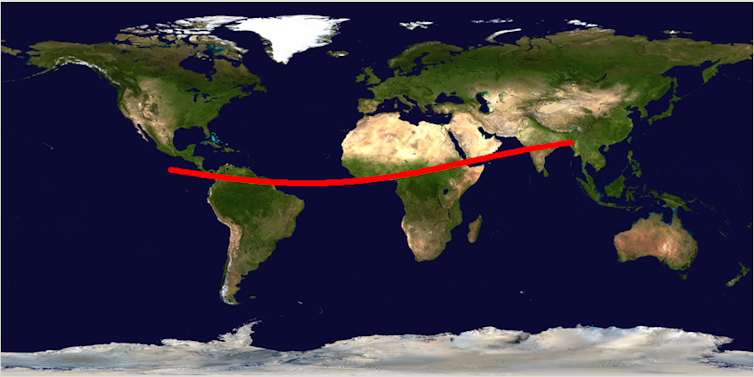
During this 2028 flyby, astronomers will gather detailed data on the asteroid’s size, shape, and trajectory. By the end of that encounter, they expect to have a definitive answer about whether a collision in 2032 is possible and, if so, the precise impact location.
Potential Impact Scenarios: What Could Happen?
The exact size of 2024 YR4 remains uncertain, with estimates ranging from 40 to 100 meters in diameter based on its brightness. The composition of the asteroid will play a significant role in determining the nature of any potential impact.
Atmospheric Detonation: A City-Killer Event
If 2024 YR4 is a rubble-pile asteroid, it would likely explode in the atmosphere, creating a powerful shockwave similar to the Tunguska event. This type of explosion could devastate a city-sized area but would not pose a global threat.
Surface Impact: A New Crater
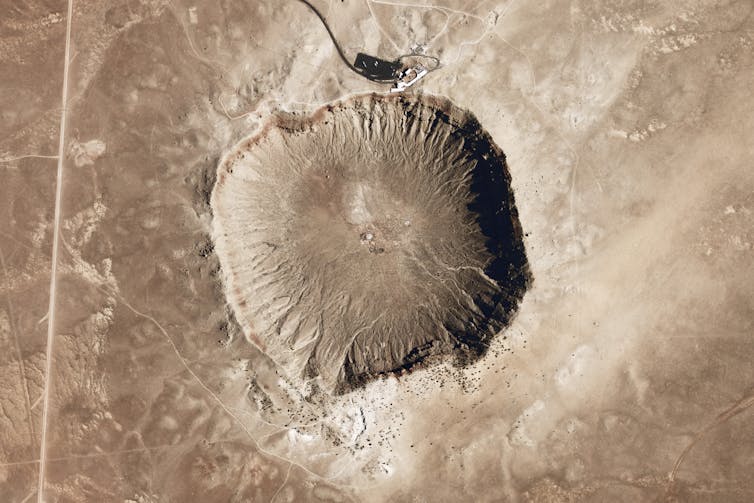
If the asteroid is composed of metal—a less likely scenario—it could survive atmospheric entry and strike Earth’s surface, creating a crater over a kilometer wide and hundreds of meters deep. Such an impact would be locally catastrophic but not globally apocalyptic.
A Remarkable Time in Human History
While the possibility of an asteroid impact may sound ominous, humanity is uniquely positioned to address this threat. Unlike previous epochs, we now have the technology to detect and potentially deflect hazardous asteroids.
In recent years, astronomers have successfully predicted the impact locations of 11 small asteroids, tracking them before they hit Earth. Additionally, NASA’s DART mission (Double Asteroid Redirection Test) demonstrated the ability to alter an asteroid’s trajectory—a groundbreaking achievement in planetary defense.
The Path Forward: Staying Vigilant and Prepared
Asteroid 2024 YR4 serves as a reminder of both the dangers and wonders of our place in the cosmos. While the odds of a collision in 2032 remain low, continued vigilance and technological advancements ensure that humanity is better prepared than ever before to face such challenges.
So rather than succumbing to fear, we should marvel at the progress we’ve made and watch the unfolding story of asteroid 2024 YR4 with curiosity and confidence.
Source: Can Scientists Prevent a Catastrophic Asteroid Impact?
Can We Unlock the Mysteries of Starburst Galaxies with Magnetic Fields?
Can We Unlock the Mysteries of Starburst Galaxies with Magnetic Fields?
Can Scientists Prevent a Catastrophic Asteroid Impact?