Brain Circuitry Discovered That Could Explain How Placebos Relieve Pain
Placebos offer the alluring possibility of relieving pain without drugs or surgery.
This placebo effect sounds intangible and elusive, but it is very real, and scientists have identified specific neural circuits in the brain in recent experiments with mice.
In addition, a research team led by anesthesiologist Chung Chen from the University of North Carolina (UNC) at Chapel Hill discovered in the process that a part of the brainstem previously not known to be involved in pain processing is actually involved in pain processing.
Scientists have long been searching for a biological basis for the placebo effect in the brain. This is difficult when a person’s response to a placebo is psychological and likely influenced by past experiences that lead them to think a particular way.
Expectations about whether a treatment or surgery will work or relieve pain are also involved in the placebo effect, which is largely influenced by the authority of the physician.
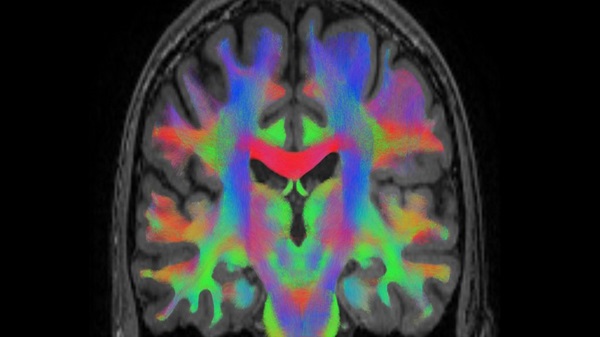
Brain imaging studies have revealed brain features that are thought to be susceptible to the placebo effect. These include differences in connectivity between the anterior cingulate cortex, the prefrontal cortex in front of it, and the brainstem below it.
Changes in these areas, which can be identified in brain scans, could help predict who is likely to respond strongly to placebo and how that might affect clinical trials. However, understanding how the placebo effect occurs and which brain cells are involved requires digging a little deeper.
Chen and colleagues examined the neural circuits involved in pain relief in mice conditioned to expect one side of a two-partitioned chamber to be comfortably cooler than the other side, which was heated to 48°C.
The effects of placebo treatments on physiology can be varied and inconsistent, but they can clearly reduce a patient’s discomfort and pain, even if they understand that it is a sham.
This has led to the controversial idea that placebos could be openly administered to patients as painkillers to evoke analgesic effects in millions of people around the world who endure chronic pain, while avoiding the ethical problem of deceiving people.
However, the analgesic effects of placebos are manifested simply by participating in the ritual of the drug, regardless of whether the pills or pills are real or fake. This complicates clinical trials and makes it difficult for researchers to determine whether a new drug is effective in relieving pain.
It is therefore not surprising that researchers would like to understand more about the placebo effect and the mechanisms underlying pain than just a superficial understanding of common brain areas.
According to Cheng and colleagues’ animal studies, after several days of conditioning, mice spent more time on a cooler floor than on a floor heated to 48°C.
The conditioned mice also exhibited fewer pain-relieving behaviors, such as standing up on their hind legs and licking their feet.
To determine which neural circuits were most active during the temperature test, the researchers attached a small head-mounted microscope to the mice and measured the activity of neurons in the rostral anterior cingulate cortex (rACC), which has been implicated in previous brain imaging studies.
This real-time imaging revealed a network connecting the rACC to the nucleus accumbens, a part of the brainstem thought to be involved in motor function. When the team knocked out this newly discovered pathway, the mice could no longer tolerate the painful hot floor. When the team artificially activated these circuits, they induced a placebo effect in animals that had not been conditioned to expect cool-bed pain relief.
Further staining of brain tissue led Dr. Chen and colleagues to discover that a “very large proportion” of neurons in the brain’s bridging nucleus are studded with opioid receptors that control pain.
This suggests a new role for the brain bridge nucleus in pain tolerance, which could be stimulated or targeted with drugs, electrodes, or therapies to treat pain.
Before that can happen, however, we will have to see how these animal findings translate to humans, whose experience of pain is far more complex.:
Source: Brain Circuitry Discovered That Could Explain How Placebos Relieve Pain
Sepsis Treatment Revolution: Can Vitamin C Restore Brain Function?
Sepsis Treatment Revolution: Can Vitamin C Restore Brain Function?