
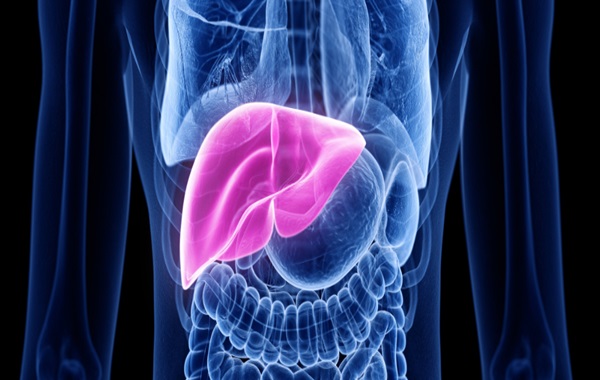
UK’s First Liver Transplant For Advanced Bowel Cancer Removes All Traces of The Disease
In a groundbreaking medical achievement in the UK, a 32-year-old woman from Manchester has undergone the country’s first liver transplant for advanced bowel cancer.
Bianca Perea was diagnosed with stage 4 bowel cancer in November 2021, with the disease having spread to all eight segments of her liver. Initially given a bleak prognosis, she responded really well to rounds of drug-based treatment.
Yet despite the promising response, the disease still remained in her liver. Because the cancer was so widespread, only a transplant would be able to remove the disease.
Perea’s liver transplant was performed in the summer of 2024. She has remained cancer free since then.
Although transplantation is more commonplace in treating primary liver cancers, Perea’s case adds to a growing body of research showing the procedure can benefit patients with advanced bowel cancer.
Bowel cancer (also known as colorectal cancer) is the fourth most common cancer in the UK. It accounts for 11% of all new cancer cases.
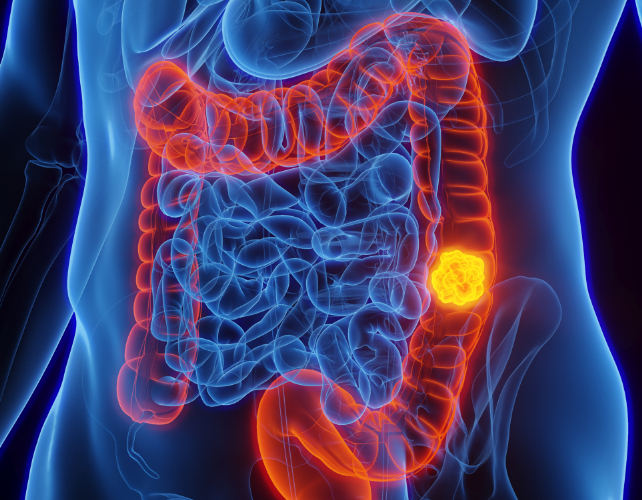
The disease can be particularly challenging to treat, especially when diagnosed at an advanced stage – even despite recent developments in immunotherapy. This is because bowel cancer often spreads to the liver – which complicates treatment options and can usually mean the disease is no longer curable.
The standard treatment approach for bowel cancer typically involves a combination of surgery to remove any tumours, alongside chemotherapy or radiation therapy. What treatment a patient receives will depend on the stage and location of the cancer.
For patients with advanced bowel cancer that has spread to the liver, treatment becomes even more complex. While cancer drugs and surgery often work, the disease usually comes back.
And though liver surgery is possible in these cases, sometimes the disease is in areas of the liver too risky to surgically remove – or the cancer is too widespread, making it impossible to remove all the tumours while leaving enough healthy liver tissue. In such cases, the goal of treatment shifts from cure to managing symptoms and prolonging the person’s life.
But a transplant would be able to overcome these limitations. By replacing the entire liver, it effectively removes all cancerous tissue from the organ.
Research also suggests that the immune response triggered by the transplant may even help combat remaining cancer cells in the body – although the mechanism that causes this to happen is not fully understood.
Survival outcomes
It’s important to point out here that Perea’s success was likely due to a combination of treatments – including targeted drug therapy, chemotherapy and surgery to remove the primary bowel tumour before the transplant. She will now need to be monitored closely – including for the possibility of recurrence. It’s always possible that microscopic cancer cells we cannot see have been left behind. Patients such as Perea will need life-long immunosuppression drugs to ensure she doesn’t reject the transplant.
Survival outcomes
It’s important to point out here that Perea’s success was likely due to a combination of treatments – including targeted drug therapy, chemotherapy and surgery to remove the primary bowel tumour before the transplant. She will now need to be monitored closely – including for the possibility of recurrence. It’s always possible that microscopic cancer cells we cannot see have been left behind. Patients such as Perea will need life-long immunosuppression drugs to ensure she doesn’t reject the transplant.
We also need more data on long-term survival rates and quality of life for patients who undergo liver transplants for bowel cancer. Trials comparing liver transplantation to other advanced treatments are necessary to confirm its benefits.
The ethical implications of using livers for cancer patients also needs to be carefully considered given the scarcity of donor organs.
The five-year survival rate for all stages of bowel cancer in the UK is a little over 50%. This highlights the need for more effective treatment options, particularly for advanced cases. Liver transplantation may be one potentially curative option in such instances.
Bianca Perea’s recent success represents a significant breakthrough. This will hopefully prompt much-needed research in the area so the technique can become a more widely adopted treatment strategy in the future for those who will most benefit.
Source: Science Alert
Microplastics Detected in Human Organ Tissues Linked to Lesions and Potential Health Risks
UK’s First Liver Transplant For Advanced Bowel Cancer Removes All Traces of The Disease/UK’s First Liver Transplant For Advanced Bowel Cancer Removes All Traces of The Disease