
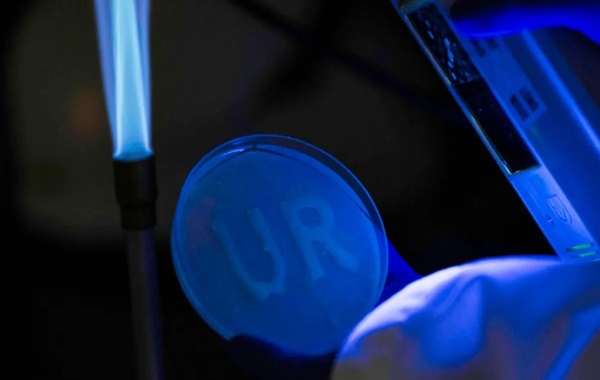
Students create 3D-bioprinting system to replicate chemicals in plants
Climate change threatens the existence of numerous plant species in our world. Now, a team of innovative undergraduates from the University of Rochester has risen to the challenge.
Meet “Team RoSynth,” a group of ten students who, with their cutting-edge 3D-bioprinting system, are revolutionizing the production of plant-based pharmaceuticals without relying on actual plants.
Imagine a scenario where essential medicinal plants vanish. Although it’s not our reality, the rapid depletion of plant-derived drugs is a global concern. Many pharmaceuticals in the U.S. heavily depend on imported raw plant materials, making them vulnerable to climate conditions, invasive pests, and farming challenges.
Team RoSynth, however, decided to tackle this issue head-on. In their quest to efficiently replicate beneficial plant chemicals, especially those endangered by climate change, they developed an affordable 3D-printing system. This breakthrough can potentially transform the field of synthetic biology, making the production of engineered living materials more accessible.
The team’s project was entered into the 2023 International Genetically Engineered Machine (iGEM) competition, a platform where student-led teams from around the world apply synthetic biology to solve real-world problems.
Team RoSynth’s project was nominated for the Best Biomanufacturing Project and Best Hardware, earning them a gold medal and making them the third most recognized team in the U.S. out of 402 teams globally.
What makes their bioprinting system unique is its ability to print genetically engineered bacteria and yeast in adjacent hydrogels. These jelly-like substances, made of water and polymers, hold and release biological molecules. The bacteria and yeast work collaboratively, with each microbe focusing on a specific part of the chemical production process.
This revolutionary approach enables the synthetic creation of plant-based chemicals without actual plants.
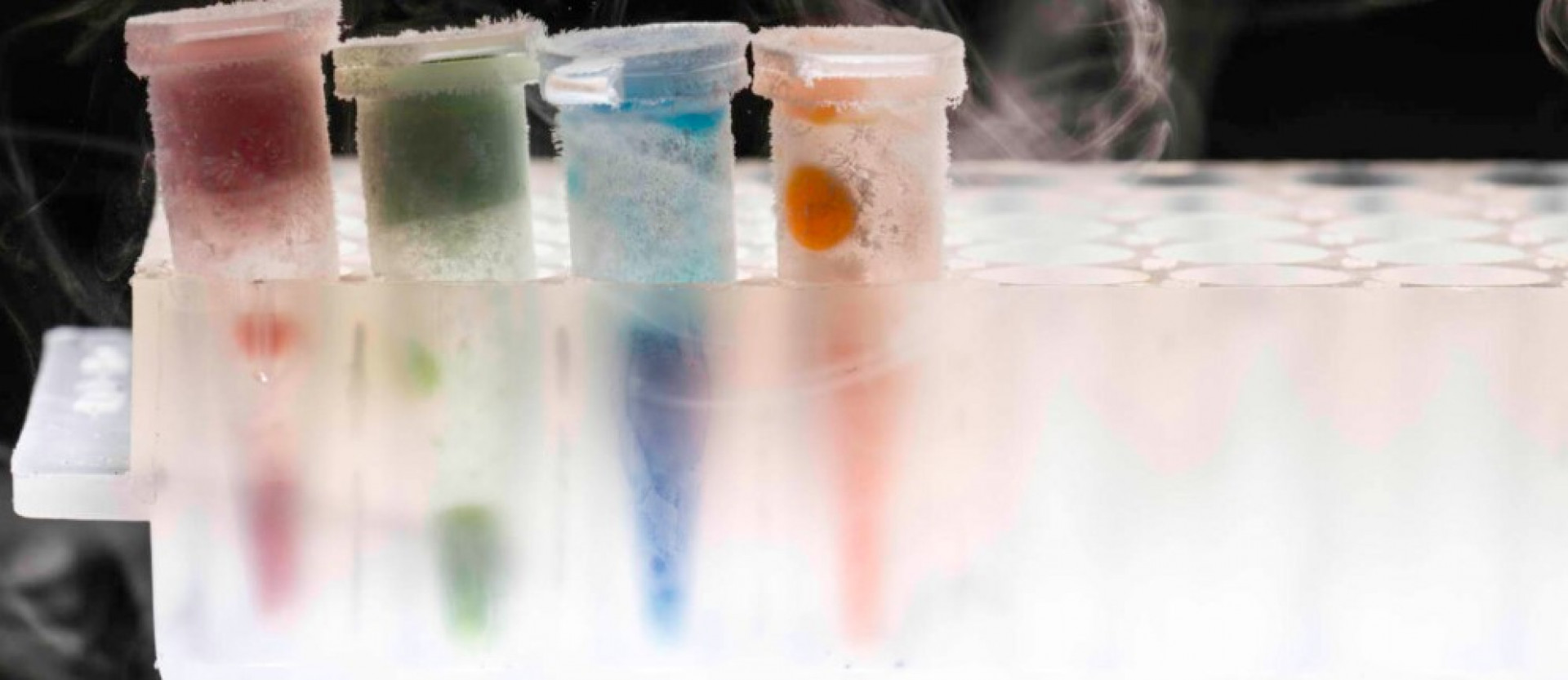
Testing the new 3D system
To test their system, the team biochemically synthesized rosmarinic acid (RA), a compound typically extracted from plants like rosemary and sage. While RA itself is not endangered, the complexity of its production makes it an ideal candidate for testing its innovative method.
Inspired by the COVID-19 pandemic, climate change, and their location near agricultural hubs in New York, Team RoSynth focused on addressing the impact of climate change on the supply of plant-based chemicals. With decreasing crop yields and the importance of reliable medication in mind, the team aimed to create a sustainable solution.
An integral part of their mission was to make their technology accessible to others. Most 3D bioprinters cost over $10,000, but Team RoSynth engineered one under $500. The open-source design of their bioprinter, available on their Wiki page, empowers scientists to explore the synthetic creation of plant-based chemicals and adapt the technology for various uses.
The student-led team accomplished what usually takes years for PhD or grad students. Their project at the University of Rochester proves undergraduates can lead transformative initiatives, blending nature with technology to pave the way for a more sustainable and accessible future in pharmaceuticals.
Source: Interesting Engineering
First functional human brain tissue produced through 3D printing
Students create 3D-bioprinting system to replicate chemicals in plants